

Operation Process and Working Principle of Limestone Powder Material Pneumatic Conveyor
HeadPowder, a leading manufacturer based in Shandong, China, specializes in the design and production of pneumatic conveying equipment for various powder materials, including limestone powder. This article provides a detailed overview of the operation process and working principle of a limestone powder material pneumatic conveyor, highlighting the key components, operational steps, and technical aspects that ensure efficient material transport.
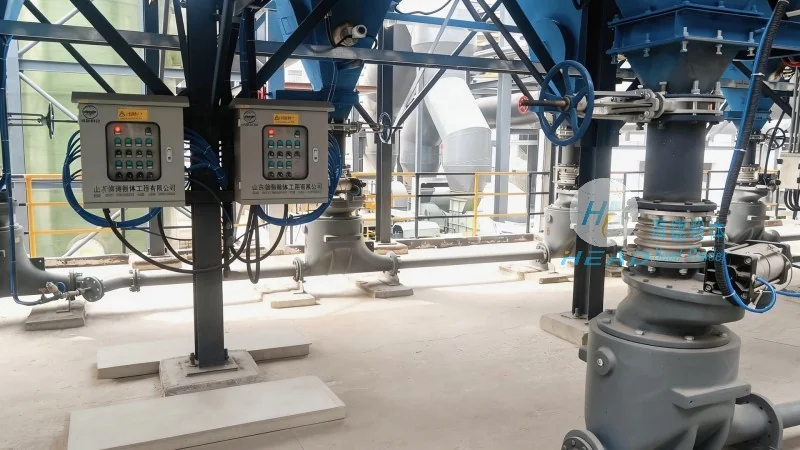
Key Components of the Pneumatic Conveyor System
The limestone powder pneumatic conveyor system consists of several critical components that work in tandem to achieve effective material handling. These include the hopper for material storage, a rotary valve or feeder to control the flow rate, a conveying pipeline network, a positive or negative pressure system to generate airflow, and a dust collection system to maintain air quality and prevent contamination. Each component plays a vital role in the overall performance and reliability of the conveyor.
Working Principle of the Pneumatic Conveyor
The working principle of a limestone powder pneumatic conveyor is based on the use of air to transport the powder material through a pipeline. In a positive pressure system, air is forced into the pipeline, creating a high-pressure environment that propels the limestone powder particles forward. The material is typically introduced into the pipeline at a controlled rate, ensuring that the air velocity remains sufficient to keep the powder in suspension and prevent blockages. The conveying process involves the material being drawn into the pipeline by the moving air stream, which then transports it to the destination point, such as a storage silo or processing unit.
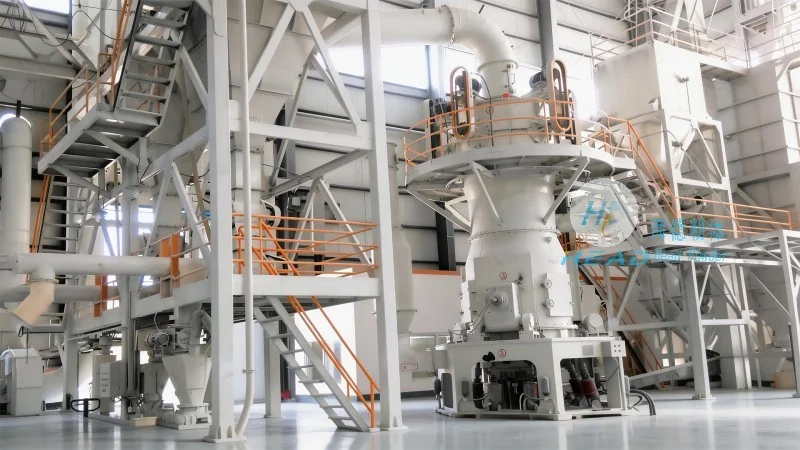
Operation Process: Step-by-Step Guide
The operation of a limestone powder pneumatic conveyor follows a systematic process to ensure smooth and continuous material transport. The steps include: 1. Material Loading: The limestone powder is fed into the hopper from a storage silo or bulk container. 2. Feeding Control: A rotary valve or feeder regulates the flow rate of the powder into the conveying pipeline, preventing overloading and maintaining consistent air-powder ratios. 3. Air Compression: The air compressor generates the necessary pressure to drive the air through the pipeline, creating the required airflow velocity. 4. Conveying: The air-powder mixture travels through the pipeline to the discharge point, where the material is separated from the air using a cyclone or filter system. 5. Material Discharge: The separated limestone powder is collected in a receiving container, while the air is filtered and recycled back into the system. 6. System Monitoring: Continuous monitoring of pressure, flow rate, and material level ensures optimal performance and early detection of any issues.
Advantages of Limestone Powder Pneumatic Conveying
Using a pneumatic conveyor for limestone powder offers several advantages over traditional mechanical conveying methods. These include: 1. Reduced Labor Costs: The automated system minimizes the need for manual handling, improving efficiency and safety. 2. Improved Material Quality: The enclosed system prevents contamination from dust, moisture, or other external factors, maintaining the purity of the limestone powder. 3. Flexibility in Layout: The pipeline design allows for flexible routing of the conveyor, enabling material transport over long distances or around obstacles. 4. Lower Maintenance Requirements: Compared to mechanical conveyors, pneumatic systems have fewer moving parts, reducing the risk of wear and tear and lowering maintenance costs. 5. Energy Efficiency: Modern pneumatic conveying systems are designed to optimize air usage, reducing energy consumption and operating costs.
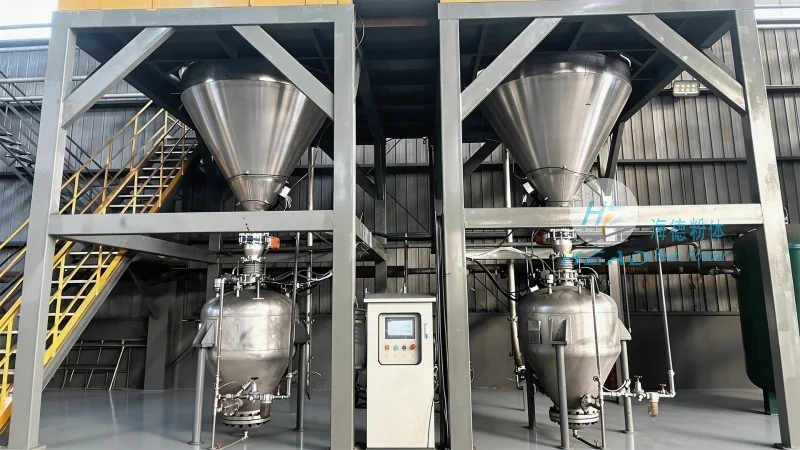
Applications and Industries
Limestone powder pneumatic conveyors are widely used in various industries that require the handling of fine powders, including: 1. Construction Materials: Limestone is a key ingredient in cement production, and the conveyor ensures efficient transport from storage to production lines. 2. Chemical Manufacturing: Limestone is used in the production of calcium carbonate, and the system maintains the quality of the powder during processing. 3. Food and Beverage: In some applications, limestone is used as a dietary supplement or in food processing, where the conveyor ensures hygienic handling. 4. Mining and Mineral Processing: The conveyor transports limestone from mining sites to processing facilities, supporting the extraction and refinement of minerals.
Conclusion
HeadPowder's limestone powder pneumatic conveyor systems offer a reliable and efficient solution for material transport in various industrial applications. By understanding the operation process and working principle, users can optimize the system's performance, ensure consistent material quality, and reduce operational costs. With its advanced design and robust construction, the pneumatic conveyor is a valuable asset for any facility handling limestone powder, providing a safe and effective method of material handling that meets the demands of modern industrial operations.