

Fine Sand and Gravel Material Pneumatic Conveyor: Operation Process and Working Principle
For industrial applications involving the transportation of fine sand and gravel materials, the pneumatic conveying system has emerged as a highly efficient and reliable solution. This equipment, manufactured by Shandong HeadPowder Engineering Co., Ltd., is designed to handle the unique challenges associated with transporting fine particulate materials over varying distances and in different operational environments. The system combines advanced engineering principles with robust construction to ensure consistent performance and minimal maintenance requirements.
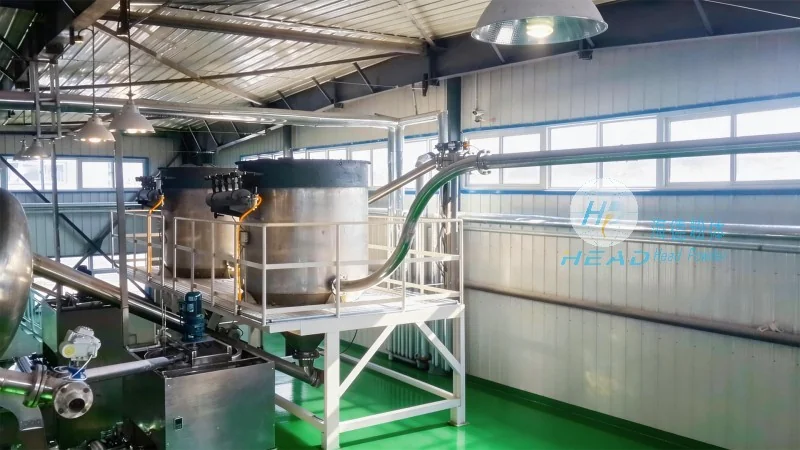
Key Components of the Pneumatic Conveyor System
The pneumatic conveying system for fine sand and gravel materials consists of several critical components that work in tandem to achieve efficient material transport. These components include the hopper for material storage, the air compressor or blower to generate the necessary air pressure, the conveying pipeline where the material is propelled by the air flow, and the discharge unit for delivering the material to the destination. Each component is engineered to withstand the abrasive nature of fine sand and gravel, ensuring long-term durability and operational reliability.
Operation Process of the Pneumatic Conveyor
The operation process of the fine sand and gravel material pneumatic conveyor begins with the loading of material into the hopper. The material is then fed into the conveying pipeline through the use of a feeder mechanism, which controls the flow rate to maintain consistent air velocity. The air compressor generates a high-pressure air stream that travels through the pipeline, creating a vacuum or positive pressure environment that propels the material particles forward. As the material moves through the pipeline, it is carried by the air flow, which helps to prevent clogging and ensures smooth transport. The system is equipped with pressure sensors and flow meters to monitor the air pressure and material flow, allowing for real-time adjustments to maintain optimal performance.
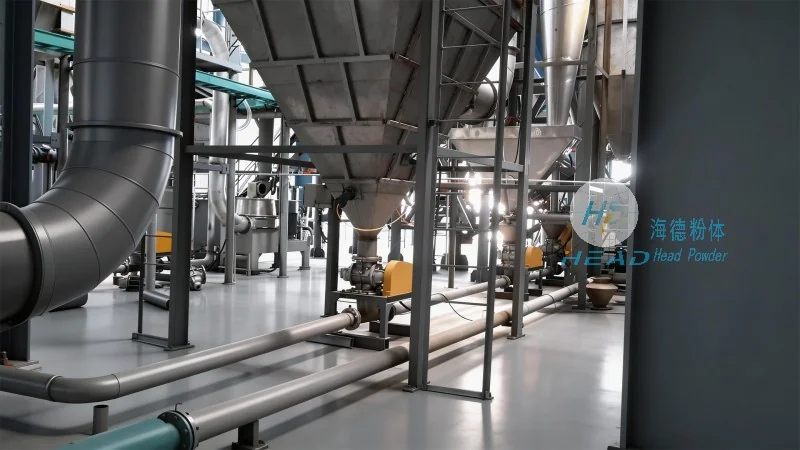
Working Principle of the Pneumatic Conveyor
The working principle of the fine sand and gravel material pneumatic conveyor is based on the principles of fluid dynamics and particle transport. The system utilizes a combination of air pressure and velocity to move the material particles through the pipeline. In a positive pressure system, the air compressor forces air into the pipeline, creating a pressure differential that pushes the material forward. In a negative pressure system, the air is drawn out of the pipeline, creating a vacuum that pulls the material along. The design of the conveying pipeline, including the diameter, length, and bends, is optimized to minimize pressure loss and ensure efficient material transport. The system also incorporates features such as pulse jets and airlocks to prevent material buildup and maintain consistent flow.
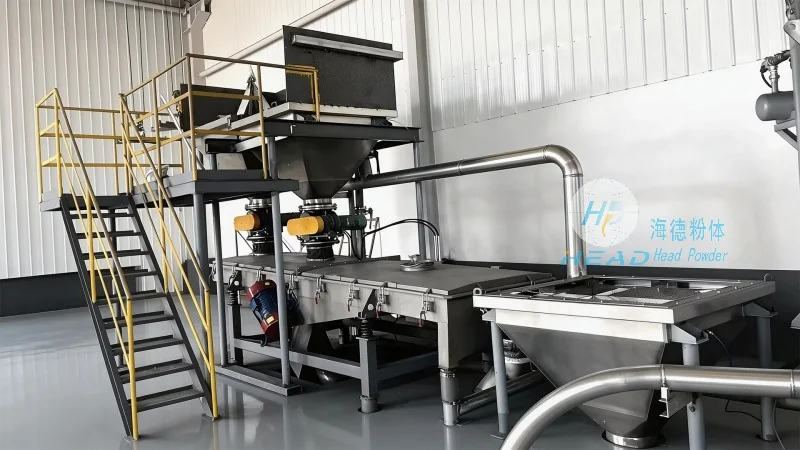
Advantages of Using Fine Sand and Gravel Material Pneumatic Conveyors
Implementing a fine sand and gravel material pneumatic conveyor offers several advantages over traditional bulk material handling methods. These include reduced labor costs due to automated material transport, improved safety by eliminating manual handling of heavy or abrasive materials, and increased efficiency through continuous operation. The system also minimizes material degradation and contamination, as the material is transported in a closed pipeline, protecting it from external elements. Additionally, the pneumatic conveyor can handle materials with varying particle sizes and moisture content, making it versatile for different industrial applications.
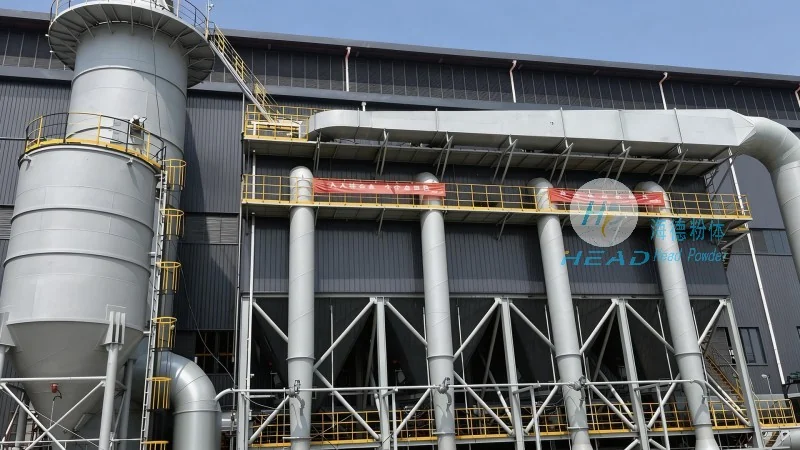
Applications and Industries
The fine sand and gravel material pneumatic conveyor is widely used in various industries that require the transportation of fine particulate materials. These include the construction industry for transporting sand and gravel to building sites, the mining industry for conveying ore and tailings, the chemical industry for handling fine powders and granules, and the food processing industry for transporting grains and other food products. The system's adaptability and efficiency make it suitable for a wide range of applications, from small-scale operations to large industrial facilities.
Maintenance and Operational Considerations
Proper maintenance is essential to ensure the long-term performance and reliability of the fine sand and gravel material pneumatic conveyor. Regular inspections of the hopper, feeder, and pipeline for signs of wear and tear are recommended. The air compressor and blower should be checked for proper air pressure and flow rates, and the filters should be cleaned or replaced as needed to prevent clogging. The system's control panel should be monitored regularly to ensure that all components are operating within the specified parameters. Additionally, the material being transported should be checked for any changes in particle size or moisture content, as these factors can affect the system's performance.