

Operation Process and Working Principle of Pigment Masterbatch Material Pneumatic Conveying Machine
HeadPowder, a leading manufacturer in the field of material handling equipment, specializes in providing advanced solutions for the efficient and reliable transportation of pigment masterbatch materials. This article delves into the operation process and working principle of a pneumatic conveying machine designed specifically for handling such materials, highlighting the technical aspects and practical applications that make it an essential component in modern industrial settings.
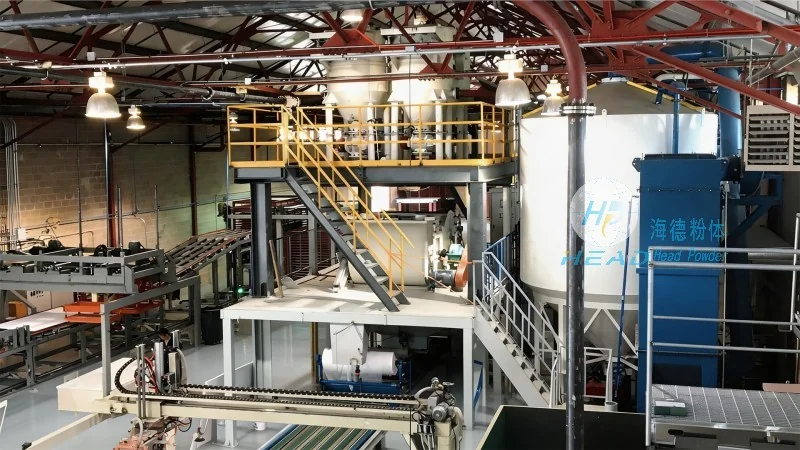
Understanding Pneumatic Conveying Technology for Pigment Masterbatch Materials
Pneumatic conveying is a method of transporting bulk materials, such as pigment masterbatches, through a pipeline using air or gas as the conveying medium. Unlike traditional mechanical conveyors, which rely on mechanical components like belts or screws, pneumatic systems utilize the force of compressed air to move materials from one location to another. This approach offers several advantages, including reduced equipment wear, lower maintenance costs, and the ability to handle materials that are difficult to transport with mechanical systems.
The Working Principle of a Pigment Masterbatch Pneumatic Conveying Machine
The core of a pneumatic conveying machine for pigment masterbatch materials involves a series of interconnected components that work in tandem to achieve efficient material transport. The system typically starts with a hopper or feeder that stores the pigment masterbatch. From there, the material is fed into a conveying line, where it is mixed with compressed air. The air, often supplied by a blower or compressor, creates a flow that propels the material through the pipeline. Key components include the hopper, feed valve, conveying line, and discharge device. The hopper ensures a consistent supply of material, while the feed valve controls the rate at which the material is introduced into the system. The conveying line, usually made of stainless steel or other corrosion-resistant materials, is designed to withstand the abrasive nature of pigment masterbatch and the pressure of the air flow. The discharge device, such as a rotary valve or a venturi, regulates the release of material at the destination point.

Step-by-Step Operation Process of the Pneumatic Conveying Machine
The operation of a pigment masterbatch pneumatic conveying machine follows a systematic sequence to ensure smooth and continuous material transport. The process begins with the loading of the pigment masterbatch into the hopper. Once the hopper is filled, the feed valve is activated, allowing the material to enter the conveying line. Simultaneously, the blower or compressor starts, generating the necessary air pressure to create a flow. As the material is mixed with the air, it is carried through the pipeline to the destination point. At the receiving end, the discharge device controls the release of the material, preventing backflow and ensuring a steady flow. The system also includes a filter or separator to remove any air bubbles or debris from the material, maintaining the quality of the pigment masterbatch. This step-by-step process ensures that the material is transported efficiently and without damage, which is crucial for maintaining the quality of the pigment masterbatch.
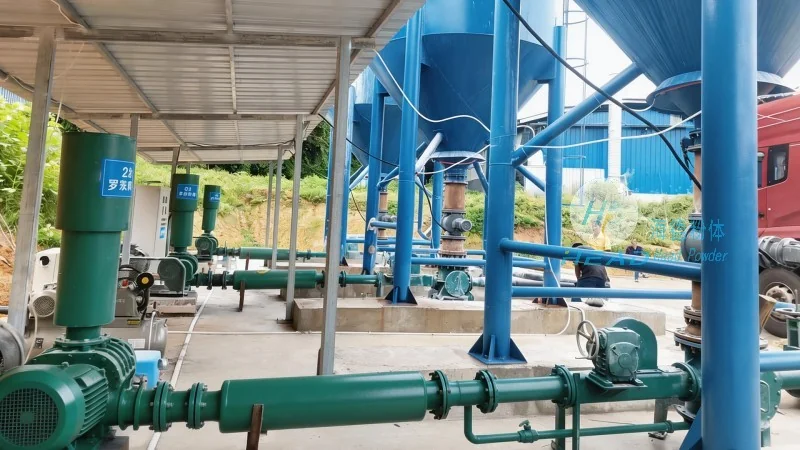
Key Features and Benefits of the Pneumatic Conveying System
HeadPowder's pneumatic conveying machine for pigment masterbatch materials is equipped with several key features that enhance its performance and reliability. One of the primary benefits is the ability to handle materials with high moisture content or those that are prone to caking, as the air flow helps to break up agglomerates and maintain a consistent flow. The system also offers flexibility in terms of layout, as it can be configured to fit various industrial setups, including vertical or horizontal conveying lines. Additionally, the use of stainless steel components ensures durability and resistance to corrosion, which is essential for handling pigment masterbatch materials that may contain acidic or alkaline components. The machine is also designed for easy maintenance, with accessible components that allow for quick repairs and replacements, reducing downtime and increasing overall productivity.
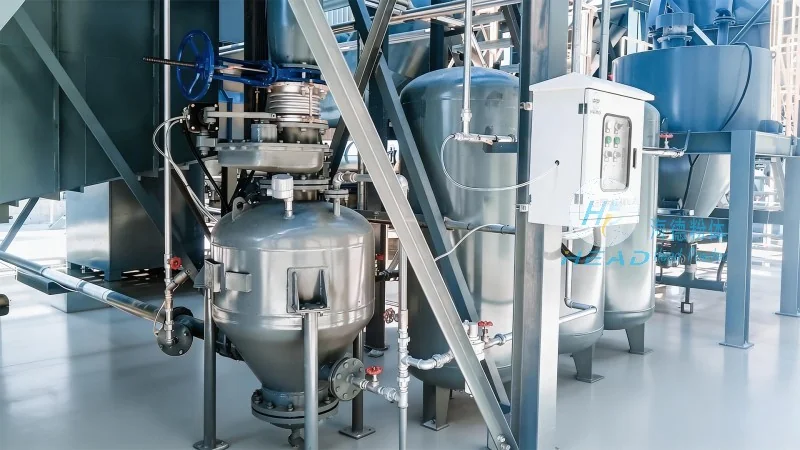
Applications and Industries Served by the Pneumatic Conveying Machine
The pneumatic conveying machine for pigment masterbatch materials is widely used in various industries that rely on pigment masterbatch for their production processes. These include the plastics industry, where pigment masterbatches are used to color plastic resins, and the rubber industry, where they are used to add color to rubber compounds. Other applications include the coatings industry, where pigment masterbatches are used to color paints and coatings, and the printing industry, where they are used to add color to inks. The machine's ability to handle large volumes of material efficiently makes it ideal for high-volume production lines, where consistent and reliable material transport is critical. HeadPowder's system has been successfully implemented in numerous industrial settings, providing customers with a reliable solution for their material handling needs.
Conclusion and Company Information
In conclusion, the pneumatic conveying machine for pigment masterbatch materials is a sophisticated and efficient solution for transporting bulk materials in industrial settings. The operation process, which involves a series of interconnected components working together, ensures that the material is transported smoothly and without damage. The system's key features, including its ability to handle difficult-to-transport materials and its durability, make it a preferred choice for many industries. HeadPowder, with its expertise in material handling equipment, continues to provide high-quality solutions that meet the evolving needs of the industry. Based in Shandong, China, HeadPowder Engineering Co., Ltd. is committed to delivering reliable and efficient equipment that enhances the productivity and performance of its customers' operations.