

Introduction to Light Calcium Powder Pneumatic Conveying: Structure and Working Principle Explanatio
Light calcium powder, also known as precipitated calcium carbonate (PCC), is a widely used industrial material in various sectors such as papermaking, plastics, and coatings. The efficient and reliable transportation of light calcium powder from storage to processing units is crucial for maintaining production efficiency and product quality. Pneumatic conveying systems have emerged as a preferred solution for handling light calcium powder due to their ability to transport powders in a dust-free environment, reducing operational risks and improving process control.
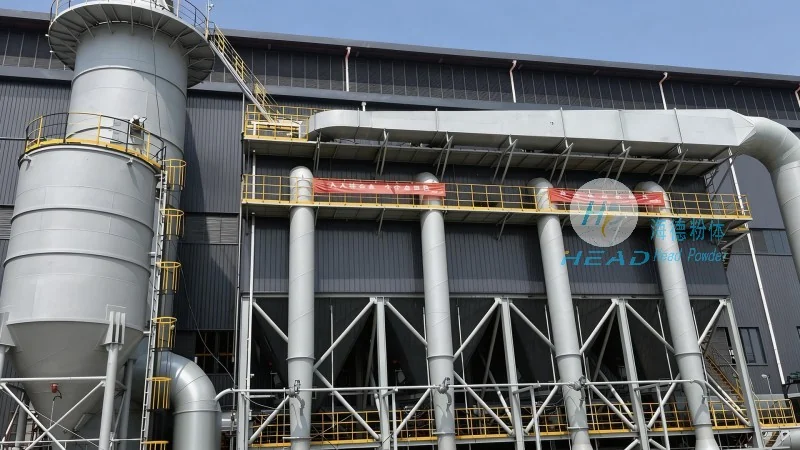
Overview of Light Calcium Powder Pneumatic Conveying Systems
Pneumatic conveying systems utilize air or gas to transport bulk materials like light calcium powder through a network of pipes and components. These systems are designed to handle fine powders, ensuring minimal particle degradation and preventing clogging or blockages in the conveying lines. The core components of a typical light calcium powder pneumatic conveying system include a hopper for material storage, a feeder to control the flow rate, a conveying line with appropriate diameter and material, and a receiver to collect the material at the destination. The system may also incorporate accessories like filters, cyclones, and pressure vessels to enhance performance and safety.
Key Structural Components and Their Functions
The structural design of a light calcium powder pneumatic conveying system is tailored to the specific characteristics of the material being handled. Each component plays a critical role in ensuring smooth and efficient operation:

- Material Hopper: A large, low-profile hopper designed to store light calcium powder. The hopper is equipped with a discharge valve or feeder to regulate the flow of powder into the conveying line. The design minimizes material bridging and ensures consistent feeding.
- Pneumatic Feeder: This component controls the rate at which light calcium powder is introduced into the conveying line. It can be a rotary valve, a screw feeder, or a vibratory feeder, depending on the system requirements. The feeder maintains a steady flow, preventing surges or interruptions that could affect the conveying process.
- Conveying Line: The main pathway for transporting light calcium powder. The line is typically made of stainless steel or other corrosion-resistant materials to withstand the abrasive nature of the powder. The diameter of the line is chosen based on the material's flow properties and the required conveying velocity. Proper line sizing is crucial to avoid excessive pressure drop and ensure efficient transport.
- Receiver: The destination container where the light calcium powder is deposited. It is usually a large tank or silo with a discharge valve to transfer the material to the next processing stage. The receiver may include a dust collection system to capture any particles that escape during discharge.
- Filter and Cyclone: These components are essential for maintaining air quality and preventing dust contamination. The filter traps fine particles from the exhaust air, while the cyclone separates larger particles from the air stream, ensuring compliance with environmental regulations and protecting equipment from wear.
Working Principle of Light Calcium Powder Pneumatic Conveying
The operation of a light calcium powder pneumatic conveying system follows a systematic process that involves the movement of air and material through the system. The typical working principle includes the following steps:
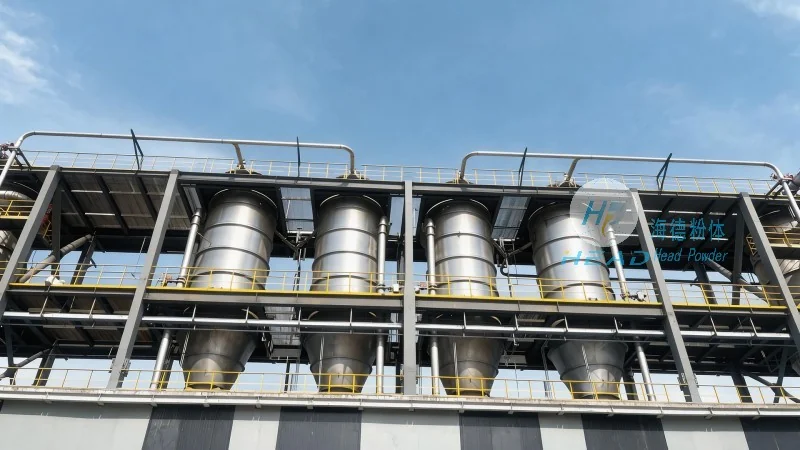
- Air Supply and Compression: Compressed air is supplied to the system, creating a pressure differential between the hopper and the receiver. The air pressure is carefully controlled to achieve the desired conveying velocity without causing excessive energy consumption.
- Material Feeding: The feeder releases light calcium powder into the conveying line at a controlled rate. The powder particles are entrained by the high-velocity air stream, forming a suspension that moves through the line.
- Transportation: The air-powder mixture travels through the conveying line under pressure. The velocity of the air is maintained above the material's terminal velocity to ensure that the powder remains suspended and is transported efficiently to the receiver.
- Deposition and Separation: At the receiver, the air and powder mixture is separated. The air passes through the filter and cyclone, while the light calcium powder is collected in the receiver. The separated air is then released back into the environment or recirculated if necessary.
Advantages of Light Calcium Powder Pneumatic Conveying
Implementing a pneumatic conveying system for light calcium powder offers several advantages over traditional methods like bucket elevators or belt conveyors:
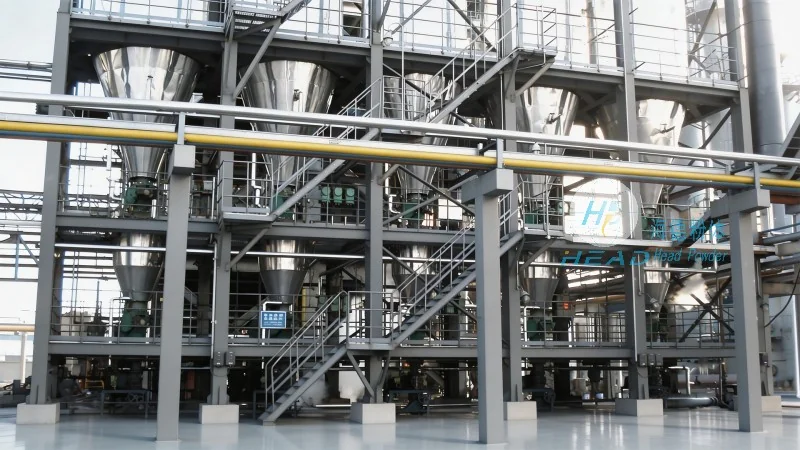
- Dust-Free Operation: Pneumatic systems transport light calcium powder in a sealed environment, significantly reducing dust emissions and improving workplace safety.
- Space Efficiency: The compact design of pneumatic conveying systems allows for installation in limited spaces, making them suitable for facilities with restricted floor area.
- Reduced Maintenance: With fewer moving parts compared to mechanical conveyors, pneumatic systems require less maintenance and have lower downtime.
- Improved Process Control: The ability to control the flow rate and pressure in real-time enables precise control over the material handling process, leading to better product consistency.
- Versatility: Pneumatic conveying systems can handle a wide range of powder characteristics, including light calcium powder with varying particle sizes and moisture content.
Applications in Industrial Settings
Light calcium powder pneumatic conveying systems are widely used in various industrial applications where the efficient transport of fine powders is critical. Some common applications include:
- Paper and Pulp Industry: Light calcium powder is used as a filler in paper production. Pneumatic conveying systems ensure that the powder is delivered to the paper machines without causing dust or quality issues.
- Plastics and Rubber Industry: In the manufacturing of plastics and rubber products, light calcium powder is used as a reinforcing agent. The pneumatic system provides a clean and efficient way to add the powder to the mixing process.
- Coatings and Paint Industry: Light calcium powder is a key ingredient in many coating formulations. Pneumatic conveying ensures that the powder is accurately mixed into the coating base, maintaining product quality.
- Pharmaceutical and Food Industry: Although less common due to stricter regulations, pneumatic conveying systems can be used to transport light calcium powder in controlled environments, ensuring compliance with hygiene standards.
Conclusion
Light calcium powder pneumatic conveying systems represent a sophisticated and efficient solution for handling fine industrial powders. The combination of proper structural design and working principles ensures reliable and safe operation. Companies like Shandong HeadPowder Engineering Co., Ltd., with its expertise in engineering and manufacturing, provide comprehensive solutions tailored to the specific needs of light calcium powder handling. By investing in a well-designed pneumatic conveying system, industries can enhance productivity, improve product quality, and maintain a safe working environment.