

Pneumatic Conveying of Dry Desulfurization Agents: An Introduction to Its Structure and Principles
The pneumatic conveying of dry desulfurization agents is a critical process in modern industrial applications, particularly in power plants and other facilities that rely on flue gas desulfurization to reduce sulfur dioxide emissions. This method involves the transport of dry desulfurization agents, such as limestone or other alkaline materials, using air or other gas streams. The efficiency and reliability of this system directly impact the overall performance of the desulfurization process, making it a key component in environmental control technologies.
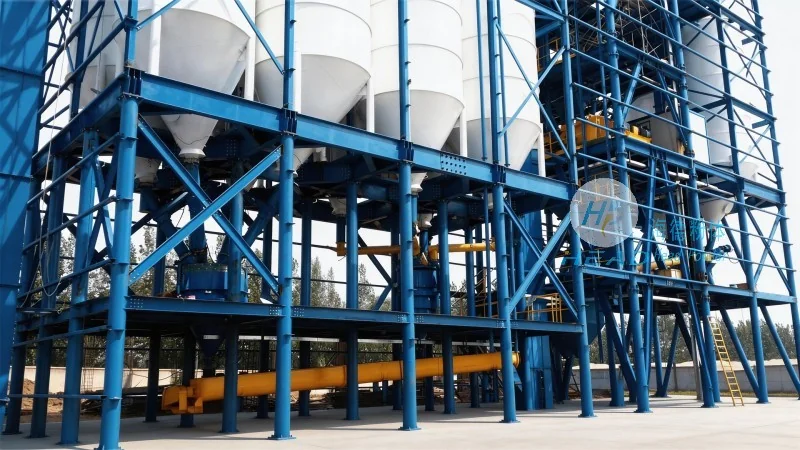
Structural Principles of Pneumatic Conveying Systems
The structural design of pneumatic conveying systems for dry desulfurization agents typically includes several key components. These systems are engineered to handle the specific properties of the desulfurization agents, such as their particle size, density, and flow characteristics. The core components include the hopper or storage silo, where the desulfurization agents are stored; the feeder, which controls the flow rate of the material; the conveying line, which transports the material through the system; and the discharge point, where the material is delivered to the desulfurization reactor or other processing equipment.
One of the fundamental principles is the use of differential pressure to move the material. By creating a pressure difference between the inlet and outlet of the conveying line, the system can effectively transport the dry desulfurization agents. The choice of conveying method—such as dilute-phase or dense-phase—depends on factors like the material's characteristics and the required conveying distance. Dilute-phase systems use lower air velocities and are suitable for shorter distances, while dense-phase systems use higher air velocities and are ideal for longer distances or when handling materials that are prone to segregation.
Company Overview: Shandong HeadPowder Engineering Co., Ltd.
HeadPowder, the professional manufacturer behind these advanced pneumatic conveying solutions, is a leading company in the field of dry desulfurization technology. With its headquarters in Shandong, China, HeadPowder has established itself as a trusted provider of high-quality equipment and systems for industrial applications. The company specializes in the design, manufacturing, and installation of pneumatic conveying systems tailored to the specific needs of clients in power generation, chemical processing, and other industries.
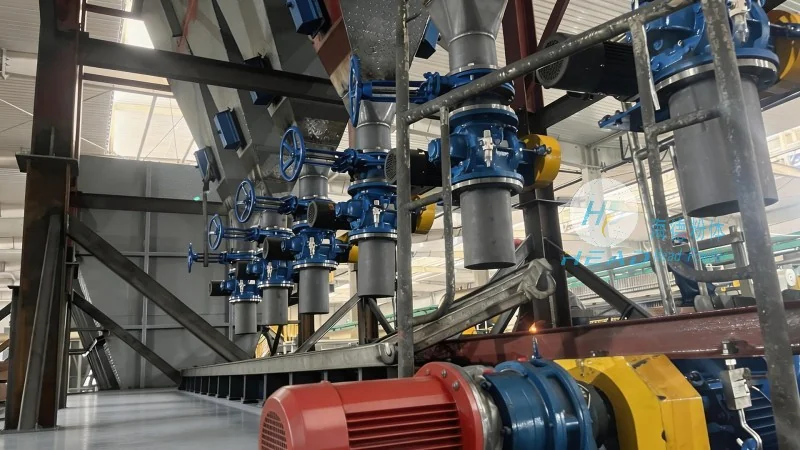
HeadPowder's commitment to innovation and quality is reflected in its state-of-the-art facilities and experienced engineering team. The company invests heavily in research and development to ensure that its products meet the highest standards of performance, reliability, and safety. By leveraging advanced materials and engineering techniques, HeadPowder develops solutions that optimize the efficiency of dry desulfurization processes, helping clients achieve their environmental and operational goals.
Key Features and Benefits of Pneumatic Conveying Systems
The pneumatic conveying systems for dry desulfurization agents offered by HeadPowder are designed with several key features that enhance their performance and usability. These systems are equipped with advanced control systems that allow for precise regulation of the material flow rate, ensuring consistent operation and minimizing waste. The use of high-quality materials in the construction of the conveying lines and components ensures durability and resistance to corrosion, which is critical when handling alkaline desulfurization agents.
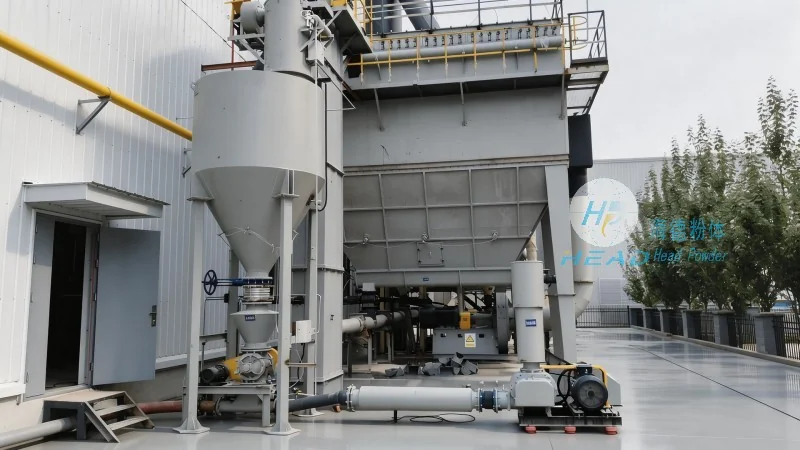
Another significant benefit is the ability to handle a wide range of material properties. Whether the desulfurization agents are fine powders or larger granules, the systems can be customized to accommodate different particle sizes and flow characteristics. This flexibility makes the systems suitable for various applications, from small-scale pilot plants to large-scale industrial facilities. Additionally, the systems are designed to minimize material degradation and segregation, which can affect the effectiveness of the desulfurization process.
Applications and Operational Advantages
The pneumatic conveying of dry desulfurization agents is widely used in power plants, where it is integrated into the flue gas desulfurization (FGD) system. The system efficiently transports the desulfurization agents from storage to the reactor, ensuring a continuous and uniform supply of the material. This is crucial for maintaining the optimal pH levels in the reactor and achieving high removal rates of sulfur dioxide from the flue gas.
Operational advantages of these systems include reduced labor costs, as the material is transported automatically without the need for manual handling. This also minimizes the risk of exposure to hazardous materials and improves workplace safety. Furthermore, the systems are designed to be compact and space-efficient, which is beneficial in facilities with limited space. The low maintenance requirements of the systems contribute to long-term cost savings and operational reliability.