

Introduction to the PTFE Pneumatic Conveying System and Its Structural Principles
For inquiries or further information regarding our PTFE pneumatic conveying systems, please contact Shandong HeadPowder Engineering Co., Ltd., located in Shandong, China. Our team is dedicated to providing high-quality engineering solutions for material handling applications.
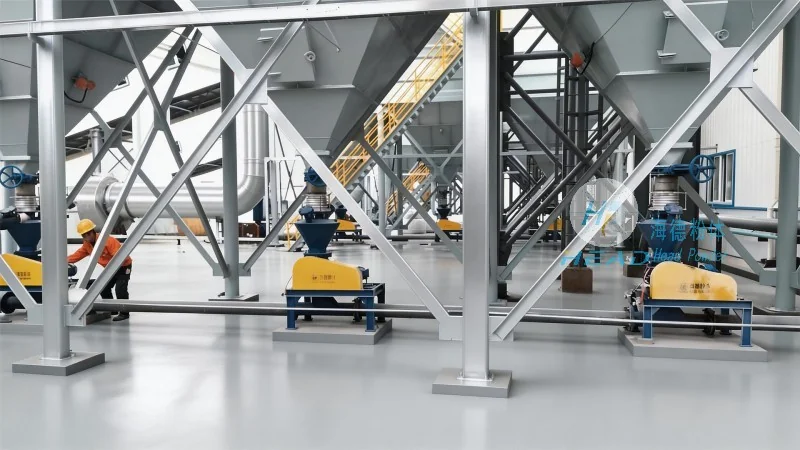
Introduction to the PTFE Pneumatic Conveying System
The PTFE (Polytetrafluoroethylene) pneumatic conveying system is a specialized equipment designed for the efficient and reliable transport of bulk materials through an air-driven mechanism. This system is widely utilized in various industrial sectors, including chemical, pharmaceutical, food processing, and powder handling industries, where maintaining material purity and preventing contamination is crucial. The PTFE material offers exceptional chemical resistance, low friction, and thermal stability, making it an ideal choice for transporting sensitive or abrasive powders.
Structural Components and Working Principle
The PTFE pneumatic conveying system consists of several key components that work in tandem to achieve effective material transport. The primary components include the hopper, feed mechanism, conveying line, and discharge unit. The hopper is designed to store the bulk material and provide a controlled feed to the system. The feed mechanism, often a rotary valve or a star feeder, regulates the flow of material into the conveying line. The conveying line, typically made of PTFE or other corrosion-resistant materials, is where the material is propelled by compressed air or other gases. The air is introduced at specific points along the line, creating a pressure differential that moves the material forward. The discharge unit, such as a rotary valve or a baghouse, collects the material at the end of the conveying line.
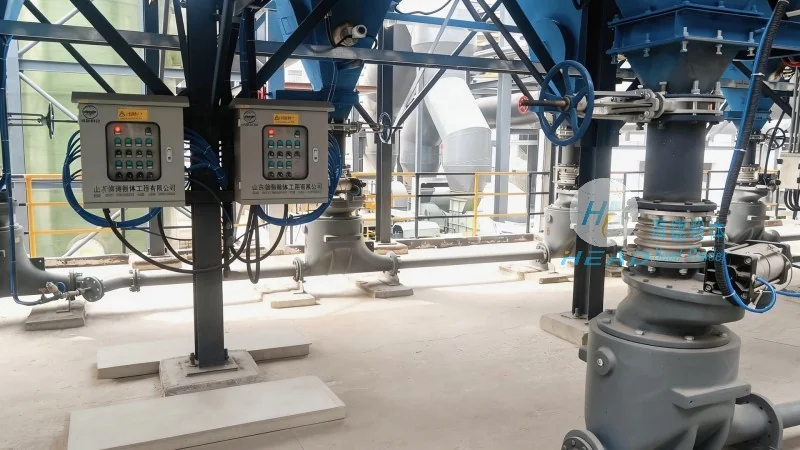
Key Advantages of PTFE in Pneumatic Conveying
One of the most significant advantages of using PTFE in pneumatic conveying systems is its superior chemical resistance. PTFE can withstand exposure to a wide range of chemicals, including acids, bases, and solvents, without degradation. This property is particularly beneficial in industries where the material being conveyed may be reactive or corrosive. Additionally, PTFE has a low coefficient of friction, which reduces wear and tear on the system components and extends the operational life of the equipment. The material's thermal stability allows it to maintain its properties over a broad temperature range, making it suitable for both high and low-temperature applications. Furthermore, PTFE is non-stick, preventing material buildup and ensuring consistent flow rates.
Application-Specific Design Considerations
The design of a PTFE pneumatic conveying system is tailored to meet the specific requirements of the application. Factors such as the type of material (e.g., fine powders, granules, or bulk solids), the required conveying distance, and the desired flow rate are considered during the design phase. The system may be configured as a dilute phase or a dense phase conveyor, depending on the material characteristics and the desired efficiency. Dilute phase systems use higher air velocities to transport material in a suspended state, while dense phase systems use lower air velocities and higher material concentrations to achieve more controlled and gentle transport. The choice of configuration depends on the material's properties, such as its density, particle size, and moisture content. For example, fine powders with low bulk density are typically conveyed using dilute phase systems, whereas bulkier materials may require dense phase systems to prevent segregation and ensure uniform transport.
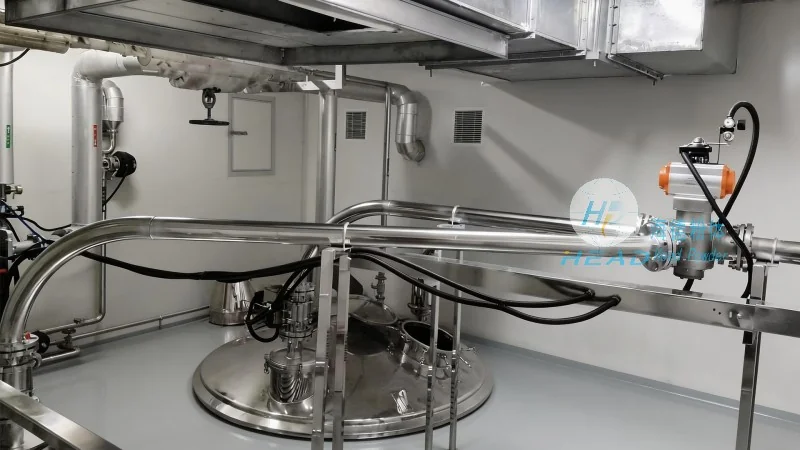
Installation and Maintenance Guidelines
Proper installation and regular maintenance are essential to ensure the optimal performance and longevity of the PTFE pneumatic conveying system. During installation, it is crucial to ensure that all components are properly aligned and securely fastened to prevent leaks and vibrations. The conveying line should be checked for any kinks or bends that could impede the flow of material or air. The feed mechanism should be adjusted to maintain a consistent material feed rate, as fluctuations can lead to system inefficiencies or material buildup. Regular maintenance includes inspecting the PTFE components for signs of wear or damage, cleaning the system to remove accumulated material, and checking the air pressure and flow rates to ensure they are within the recommended operating parameters. Proper maintenance can significantly extend the service life of the system and reduce the risk of downtime due to equipment failure.
Conclusion
In summary, the PTFE pneumatic conveying system is a highly effective and versatile solution for bulk material transport in various industrial applications. Its use of PTFE material provides numerous advantages, including excellent chemical resistance, low friction, and thermal stability, which contribute to its reliability and durability. By understanding the structural components and working principles of the system, as well as following proper installation and maintenance guidelines, users can maximize the performance and efficiency of their PTFE pneumatic conveying systems. Shandong HeadPowder Engineering Co., Ltd. specializes in the design and manufacturing of high-quality PTFE pneumatic conveying systems, providing tailored solutions to meet the diverse needs of industrial clients.