

Introduction to Carbon Powder Pneumatic Conveying Equipment and Structural Principles
HeadPowder, a leading manufacturer based in Shandong, China, specializes in the design and production of advanced carbon powder pneumatic conveying systems. These systems are engineered to efficiently transport carbon powders in various industrial applications, ensuring high performance and reliability.
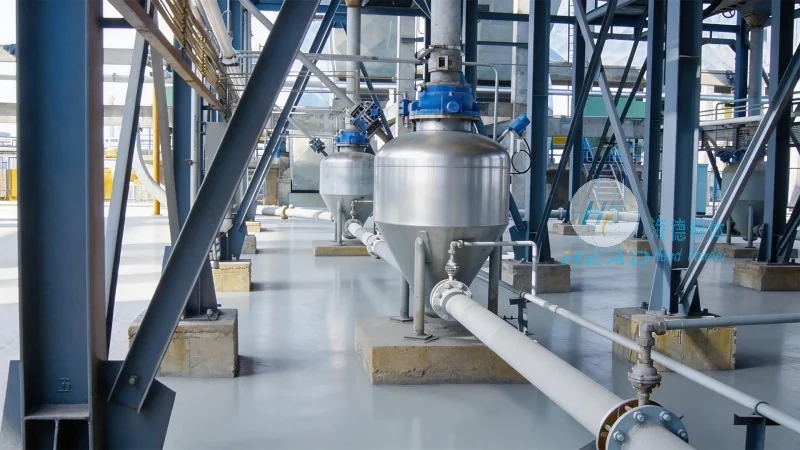
Overview of Carbon Powder Pneumatic Conveying Equipment
Carbon powder pneumatic conveying equipment is a critical component in industries that handle carbon powders, such as carbon black, graphite, and other similar materials. The equipment is designed to move these fine powders through a pipeline using air or other gases, eliminating the need for traditional mechanical conveying methods like screw conveyors or belt conveyors. This approach not only enhances operational efficiency but also reduces the risk of material contamination and equipment wear.
Structural Principles of Pneumatic Conveying Systems
The core structure of a pneumatic conveying system for carbon powders typically includes several key components. These components work in tandem to ensure smooth and effective material transport. The primary elements are the material feed hopper, the air supply system (including blowers or compressors), the conveying pipeline, and the discharge or collection unit. Each component plays a vital role in the overall operation.
The material feed hopper is responsible for storing and feeding the carbon powder into the system. It is designed with a hopper shape to facilitate the flow of powder under gravity, ensuring a consistent feed rate. The hopper may also include a feeder mechanism, such as a rotary valve or a screw feeder, to control the amount of powder entering the pipeline. This control is crucial for maintaining the desired conveying velocity and preventing blockages.
The air supply system provides the necessary pressure and flow rate to move the carbon powder through the pipeline. Blowers or compressors generate the required air pressure, which is then directed into the conveying line. The choice of air supply equipment depends on the specific characteristics of the carbon powder, including its density, particle size, and moisture content. For fine powders like carbon black, higher air velocities are often required to prevent particle settling and ensure uniform transport.
The conveying pipeline is the main channel through which the carbon powder travels. It is typically made of materials like stainless steel or plastic, chosen for their resistance to corrosion and wear from the carbon powder. The pipeline design includes bends, elbows, and expansion joints to accommodate changes in direction and pressure, minimizing energy loss and preventing material accumulation. The pipeline diameter is carefully selected based on the powder flow rate and air velocity to optimize performance.
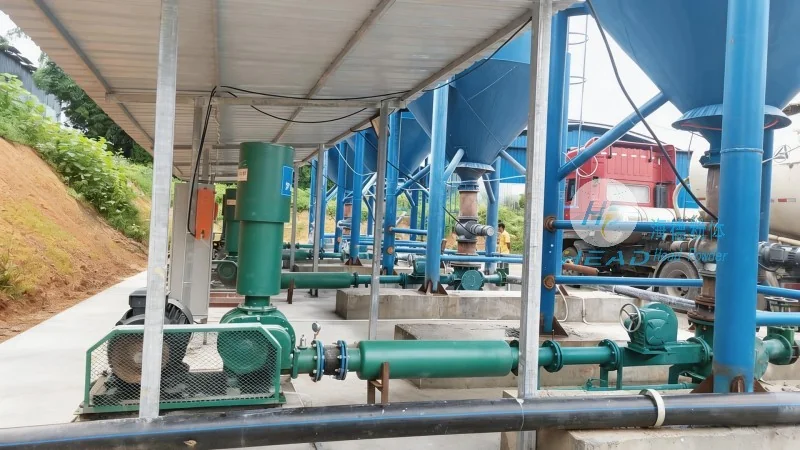
The discharge or collection unit is where the carbon powder is released from the system. This unit may include a receiver or a silo, which collects the powder after it has been conveyed. The design of the discharge unit is critical to prevent dust emissions and ensure the powder is collected efficiently. Some systems may include a dust collection system, such as a baghouse or an electrostatic precipitator, to meet environmental regulations and maintain air quality.
Technical Features and Advantages
Carbon powder pneumatic conveying equipment from HeadPowder offers several technical advantages that make it suitable for demanding industrial applications. One of the key features is the ability to handle fine and abrasive powders without causing excessive wear on the equipment. The system's design minimizes contact between the powder and the pipeline walls, reducing the risk of corrosion and material degradation.
Another advantage is the flexibility in conveying distance and layout. Pneumatic systems can transport materials over long distances and through complex layouts, including vertical and horizontal sections. This flexibility allows for integration into existing industrial facilities without major modifications. The system can also handle varying flow rates, making it adaptable to different production needs.
The equipment is also designed for easy maintenance and operation. The components are arranged in a modular fashion, allowing for quick access and replacement of parts. This reduces downtime and maintenance costs. Additionally, the system includes monitoring and control features, such as pressure sensors and flow meters, to provide real-time feedback on the conveying process and ensure optimal performance.
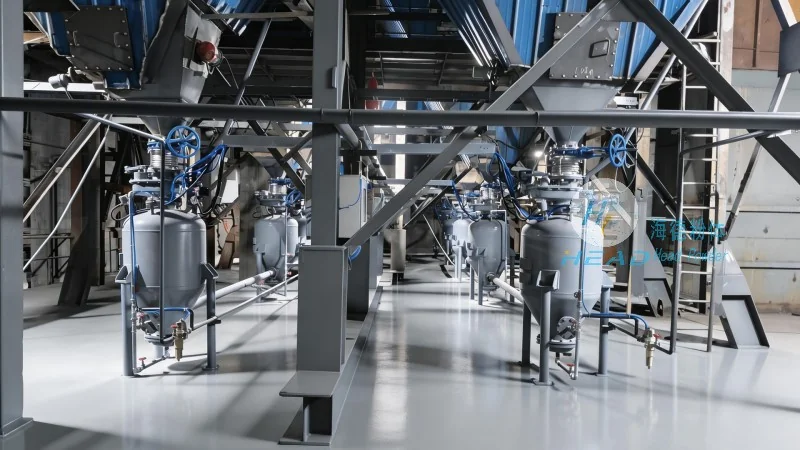
Application Scenarios
The carbon powder pneumatic conveying equipment is widely used in various industries that require the handling of carbon powders. These applications include the production of carbon black, graphite, and other carbon-based materials, as well as in the chemical and pharmaceutical industries where fine powders are processed. The equipment is also used in recycling facilities that handle carbon-containing waste materials.
In the carbon black industry, for example, the equipment is used to transport carbon black from storage silos to processing units, ensuring a consistent supply of material. In the graphite industry, it is used to convey graphite powders from grinding and classification processes to packaging or further processing stages. The system's ability to handle high volumes and maintain product quality makes it an essential part of these production lines.
Quality and Reliability
HeadPowder is committed to providing high-quality pneumatic conveying equipment that meets the stringent requirements of industrial applications. The company adheres to international quality standards and uses advanced manufacturing techniques to ensure the durability and reliability of its products. Each system is rigorously tested before delivery to verify its performance and compliance with customer specifications.
The equipment is designed with a focus on long-term performance and minimal maintenance. The use of high-quality materials and precision engineering ensures that the system operates efficiently over extended periods. HeadPowder's team of engineers and technicians provides comprehensive support, including installation, commissioning, and after-sales service, to ensure that customers receive the best possible performance from their equipment.
In conclusion, carbon powder pneumatic conveying equipment from HeadPowder is a reliable and efficient solution for transporting carbon powders in various industrial applications. The system's advanced design and structural principles ensure high performance, while the technical features and quality assurance provide long-term benefits to users. With its headquarters in Shandong, China, HeadPowder continues to be a trusted provider of pneumatic conveying solutions for industries worldwide.