Gas-pneumatic conveyors are essential equipment in industrial settings, particularly for the efficient handling and transportation of dust and fine particles. This article provides an overview of the dust collector and gas-pneumatic conveyor system, focusing on its structure and working principles. The system is designed to ensure effective dust collection and material transport, contributing to improved air quality and operational efficiency in various industrial applications.
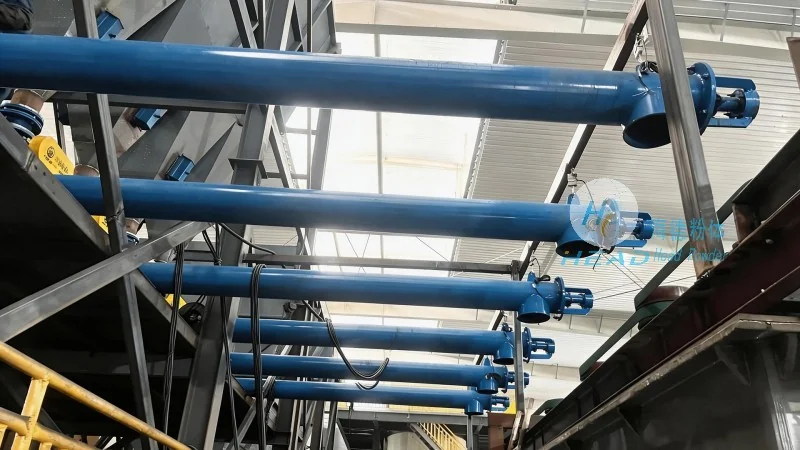
The dust collector and gas-pneumatic conveyor system, often referred to as a dust collection system with pneumatic conveying, is a critical component in many industrial processes. Its primary function is to collect airborne dust and particulate matter from the production environment and transport these materials to a designated storage or processing location. This system combines the capabilities of a dust collector with the efficiency of pneumatic conveying technology, offering a comprehensive solution for dust management and material handling.
The dust collector and gas-pneumatic conveyor system comprises several key components that work in tandem to achieve its operational goals. These components include the dust collector, the pneumatic conveyor, the air compressor, and the material hopper or storage container. Each component plays a vital role in the overall functionality of the system.
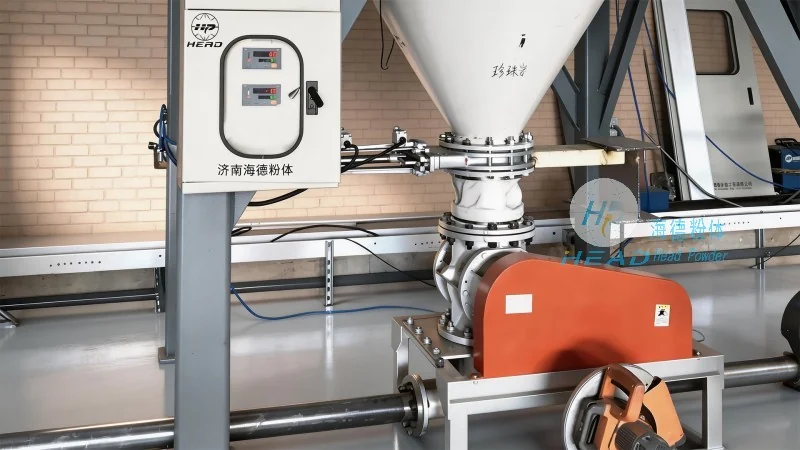
The dust collector is the first stage of the system, responsible for capturing airborne dust and particulate matter. It typically consists of a housing, an inlet for air and dust, a filter media (such as fabric or bag filters), and an outlet for clean air. As contaminated air enters the dust collector, the dust particles are trapped by the filter media, while the clean air is released back into the environment or recirculated. The collected dust is then discharged into a hopper or container for further processing or disposal.
The gas-pneumatic conveyor is the second stage of the system, responsible for transporting the collected dust from the hopper to the desired destination. This conveyor uses compressed air to create a flow that propels the material through a pipeline. The system operates by creating a pressure differential between the inlet and outlet of the conveyor, which draws the material into the pipeline and moves it along. The design of the gas-pneumatic conveyor is crucial for ensuring efficient material transport, as it must handle the specific characteristics of the dust being conveyed, such as particle size, moisture content, and density.
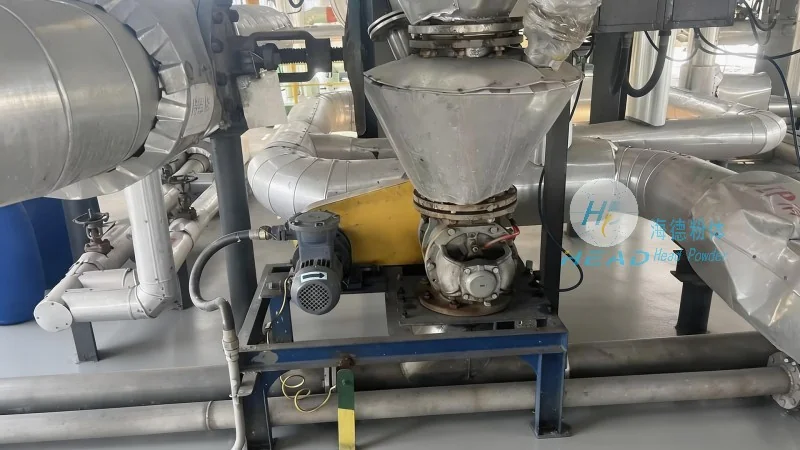
The structure of the dust collector and gas-pneumatic conveyor system is designed for optimal performance and ease of maintenance. The dust collector is usually mounted above the material hopper, with the inlet connected to the production area where dust is generated. The pneumatic conveyor is then connected to the outlet of the dust collector, forming a continuous system for material transport. The air compressor is typically located near the conveyor system to provide the necessary compressed air for operation. The entire system is designed to be compact and efficient, minimizing space requirements while maximizing performance.
The efficiency of the dust collector and gas-pneumatic conveyor system is directly related to its proper operation and regular maintenance. Regular cleaning of the filter media in the dust collector is essential to prevent clogging and maintain air flow. The air compressor should be checked regularly to ensure it is operating at optimal pressure and efficiency. The conveyor pipeline should be inspected for any blockages or damage that could affect material transport. By following proper maintenance procedures, the system can operate efficiently for extended periods, ensuring consistent dust collection and material handling performance.
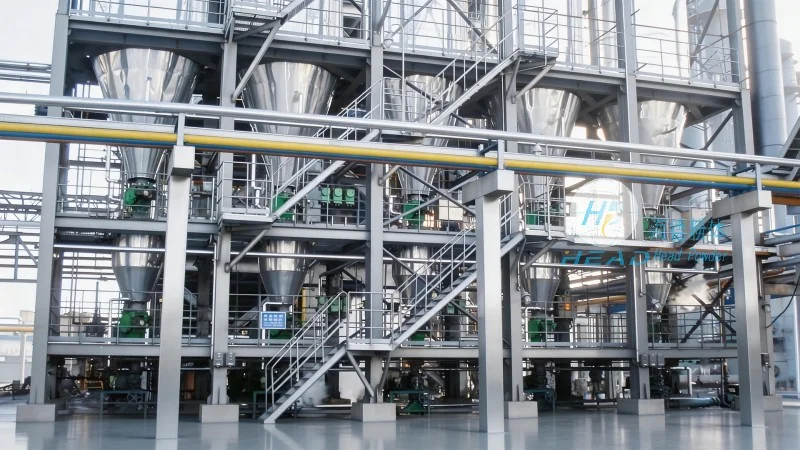
The dust collector and gas-pneumatic conveyor system is widely used in various industrial applications, including manufacturing, mining, and food processing. Its benefits include improved air quality, reduced dust emissions, and efficient material handling. The system is particularly effective for handling fine and dry materials, as it can transport these materials over long distances without the need for additional equipment. Additionally, the system is designed to be flexible, allowing for customization to meet the specific needs of different industrial processes.
In conclusion, the dust collector and gas-pneumatic conveyor system is a vital piece of equipment for industrial dust management and material handling. Its structure and working principles are designed to ensure efficient dust collection and material transport, contributing to improved operational efficiency and environmental compliance. The system, manufactured by Shandong HeadPowder Engineering Co., Ltd., a company based in China, offers reliable and effective solutions for various industrial applications. With proper operation and maintenance, this system can provide long-term benefits to industrial operations, ensuring consistent performance and reduced downtime.

 Shandong Headpowder Engineering Co., Ltd.
 156-6277-7102(Manager Zhang)
  0531-83386006
  Jinan City, Shandong Province, China
telephone
WeChatconsult
top