Phenolic powder, also known as Bakelite powder, is a widely used industrial material in various sectors such as electronics, automotive, and construction. The efficient and reliable transportation of this material from one location to another is crucial for maintaining production efficiency and product quality. The pneumatic conveying system designed for phenolic powder offers a solution that ensures safe, dust-free, and high-capacity material handling. This article provides an overview of the equipment involved and the structural principles underlying the phenolic powder pneumatic conveying system, presented by Shandong HeadPowder Engineering Co., Ltd., a leading provider in this field.
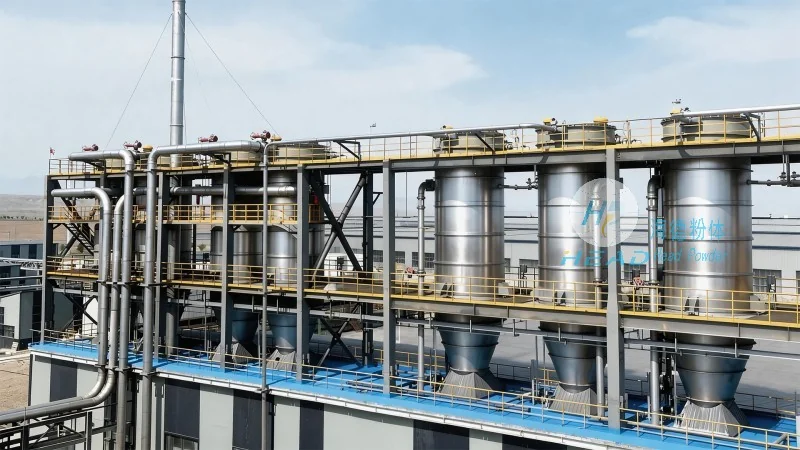
Shandong HeadPowder Engineering Co., Ltd., commonly known as headpowder, is a professional manufacturer and supplier specializing in pneumatic conveying systems for various powders, including phenolic powder. The company is headquartered in Shandong, China, and has established a strong reputation for its high-quality equipment and technical expertise. With years of experience in the industry, headpowder focuses on delivering customized solutions that meet the specific needs of clients, ensuring optimal performance and durability for their pneumatic conveying systems.
The phenolic powder pneumatic conveying system is a sophisticated setup that utilizes air as the conveying medium to transport phenolic powder from a source to a destination. This system is particularly advantageous for handling materials that are prone to dust, require dust-free environments, or need to be transported over long distances. The core components of this system include the material hopper, feeder, air compressor, conveying pipeline, and receiver. Each component plays a vital role in the overall operation, ensuring the smooth and efficient movement of phenolic powder.
The structural principles of the phenolic powder pneumatic conveying system are based on the fundamental physics of fluid dynamics and material handling. The system operates by creating a pressure differential between the source and destination points. The air compressor generates a high-pressure air stream that is introduced into the conveying pipeline. As the air flows through the pipeline, it picks up the phenolic powder from the material hopper via the feeder. The mixture of air and powder then travels through the pipeline to the receiver, where the powder is separated from the air and collected. The air is then either recirculated or discharged, depending on the system design.
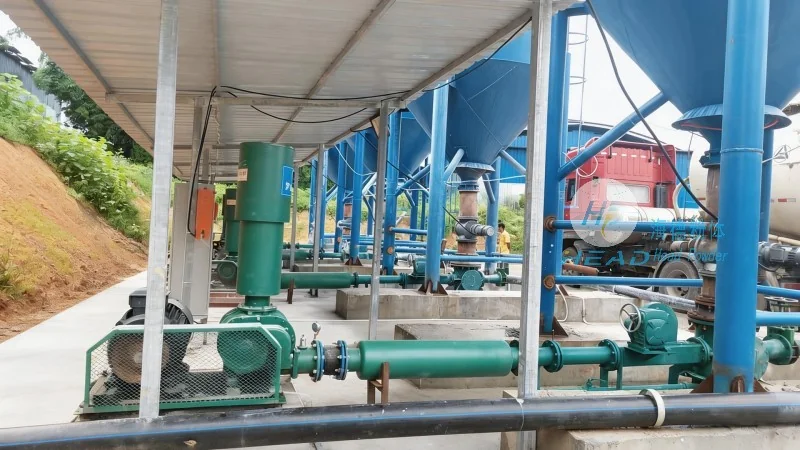
1. **Material Hopper**: This is the storage container where the phenolic powder is kept before being conveyed. It is designed to hold a sufficient quantity of powder to ensure continuous operation without frequent refilling. The hopper is typically equipped with a discharge valve or feeder connection to facilitate the transfer of powder to the feeder.
2. **Feeder**: The feeder is responsible for controlling the flow rate of phenolic powder into the conveying pipeline. It ensures a consistent and controlled amount of powder is introduced into the system, preventing overloading or underloading of the pipeline. Common types of feeders include rotary valves, star feeders, and screw feeders, each with its own advantages depending on the specific application.
3. **Air Compressor**: The air compressor is the heart of the pneumatic conveying system, providing the necessary air pressure to move the powder through the pipeline. It generates a high-pressure air stream that is then directed into the conveying line. The choice of compressor type (such as positive displacement or centrifugal) depends on factors like the required pressure, flow rate, and the nature of the powder being conveyed.
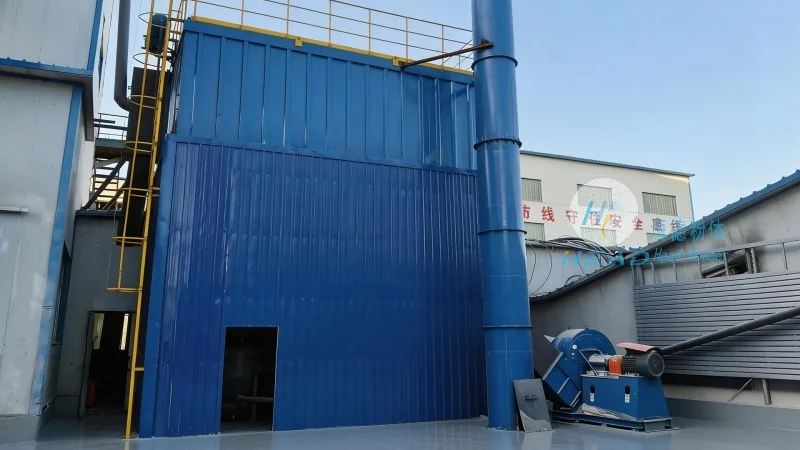
4. **Conveying Pipeline**: The pipeline is the main channel through which the air and powder mixture travels. It is typically made of materials like stainless steel or plastic, chosen based on the properties of the phenolic powder and the operating conditions. The pipeline is designed to withstand the pressure and temperature of the conveying process, ensuring durability and preventing material leakage or contamination.
5. **Receiver**: The receiver is the final component where the phenolic powder is collected after being separated from the air. It is usually a storage tank or container that holds the conveyed powder until it is used or further processed. The receiver is equipped with a discharge valve or outlet to allow the powder to be removed from the system.
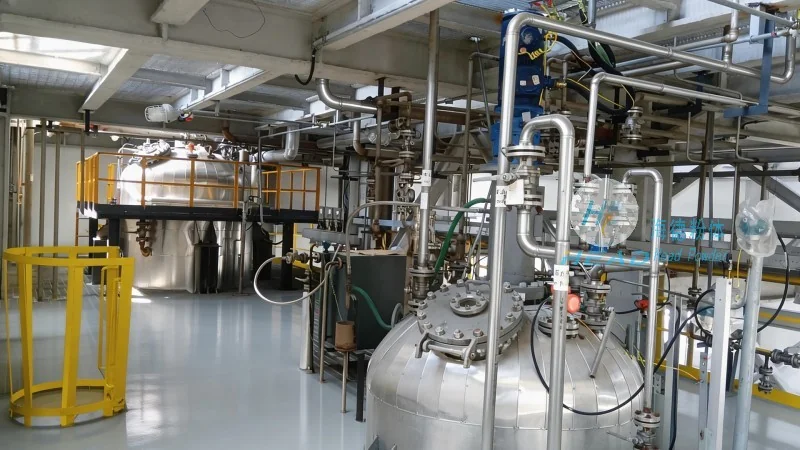
The phenolic powder pneumatic conveying system offers several advantages over traditional methods of material handling. Firstly, it provides a dust-free and clean environment, which is essential for maintaining product quality and worker safety. Unlike mechanical conveying systems that may generate dust and cause contamination, the pneumatic system keeps the powder contained within the pipeline, reducing the risk of exposure. Secondly, it allows for high-capacity and continuous operation, enabling efficient production processes. The system can handle large volumes of phenolic powder without the need for frequent stops or maintenance. Thirdly, it offers flexibility in terms of the distance and layout of the conveying system. The pipeline can be installed in various configurations, including vertical, horizontal, or a combination of both, to suit the specific requirements of the facility. Additionally, the system is relatively easy to install and maintain, with components that are designed for durability and long service life.
The phenolic powder pneumatic conveying system is widely used in various industries that require the handling of phenolic powder. Some common applications include the production of phenolic resins and composites, where the powder needs to be transported from storage to processing equipment. In the electronics industry, phenolic powder is used in the manufacturing of circuit boards and other components, and the pneumatic system ensures that the powder is delivered to the production line without any contamination. The automotive industry also utilizes phenolic powder in the production of parts such as brake pads and clutch components, and the conveying system helps in the efficient movement of these materials. Furthermore, the construction industry uses phenolic powder in the production of insulation materials and other building components, and the pneumatic system facilitates the transportation of these materials to the construction sites.
In conclusion, the phenolic powder pneumatic conveying system is a highly effective and reliable solution for the transportation of phenolic powder. The system, designed and manufactured by Shandong HeadPowder Engineering Co., Ltd., incorporates advanced technology and robust components to ensure optimal performance. By understanding the structural principles and key equipment components, users can appreciate the efficiency and benefits of this system in their industrial applications. With its ability to handle large volumes of powder, maintain a dust-free environment, and provide flexibility in layout, the phenolic powder pneumatic conveying system is an essential asset for any facility dealing with phenolic powder.

 Shandong Headpowder Engineering Co., Ltd.
 156-6277-7102(Manager Zhang)
  0531-83386006
  Jinan City, Shandong Province, China
telephone
WeChatconsult
top