Graphene, a two-dimensional material with exceptional mechanical, electrical, and thermal properties, has become a key material in modern industrial applications. The efficient and reliable transportation of graphene powder is crucial for its processing and integration into various products. This article provides an overview of the equipment used in pneumatic conveying systems for graphene, along with an explanation of its structural principles and operational mechanisms.
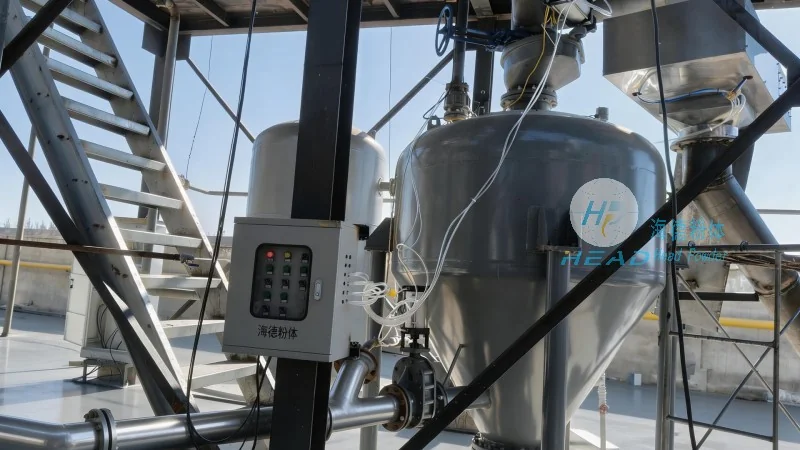
Pneumatic conveying systems are widely used in the handling of fine powders, including graphene, due to their ability to transport materials without direct contact, reducing contamination and wear. The equipment typically consists of several key components that work together to ensure the smooth and efficient movement of graphene particles through a pipeline. These components include a material feed system, a conveying pipeline, a pressure control unit, and a collection or discharge unit. Each component plays a critical role in the overall performance of the system, ensuring that the graphene powder is transported safely and effectively from the source to the destination.
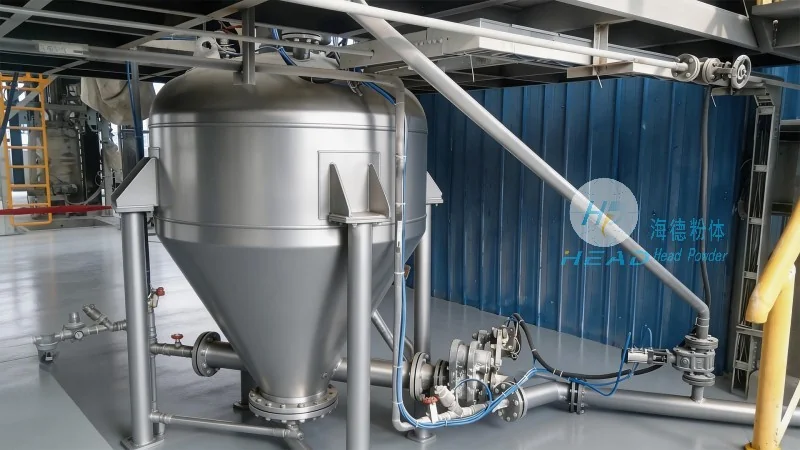
The structural design of a pneumatic conveying system for graphene is tailored to handle the unique properties of graphene powder, such as its high surface area, light weight, and potential for static charge accumulation. The system's design must address these challenges to prevent issues like blockages, material degradation, or loss of product quality. Key structural elements include the material feed hopper, which is equipped with a feeding mechanism to control the flow rate of graphene powder, and a pipeline system that is often made of materials resistant to corrosion and wear, such as stainless steel or specialized polymers. The pipeline may also incorporate features like static eliminators or grounding systems to manage static electricity, which is common in the handling of fine powders. Additionally, the system includes a pressure control unit, which regulates the air pressure and flow rate to maintain optimal conveying conditions. This unit may include components like air compressors, filters, and regulators to ensure a consistent and clean air supply. The collection or discharge unit at the end of the pipeline is designed to safely release the graphene powder into the intended destination, such as a processing vessel or storage container. The structural integrity of each component is crucial to prevent leaks or contamination, which could compromise the quality of the graphene material.
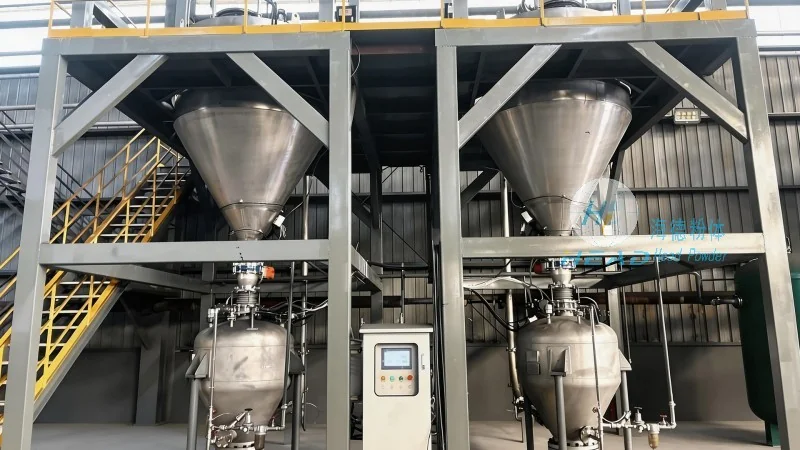
The operational mechanism of a pneumatic conveying system for graphene involves the use of compressed air to create a flow that transports the powder through the pipeline. The system operates by introducing compressed air into the pipeline, which creates a pressure differential that moves the graphene particles along the pipeline. The flow rate and pressure are carefully controlled to ensure that the powder is conveyed at an optimal velocity, avoiding issues like particle segregation or excessive wear on the pipeline. The efficiency of the system is influenced by several factors, including the particle size distribution of the graphene powder, the air flow rate, and the length and diameter of the pipeline. Proper design and maintenance of the system are essential to maximize its efficiency and minimize energy consumption. For example, using appropriate pipeline diameters and air velocities can reduce the risk of blockages and improve the overall conveying capacity. Additionally, regular maintenance of components like filters and air compressors is necessary to ensure consistent performance and prevent downtime. The operational mechanisms also include safety features, such as pressure relief valves and emergency shut-off systems, to protect the system and personnel from potential hazards. These features are critical in industrial applications where the handling of fine powders involves risks like dust explosions or equipment failure.
The equipment and principles discussed above are particularly relevant for industries that rely on graphene as a key material. These industries include electronics, where graphene is used in flexible electronics and sensors; energy storage, where graphene is incorporated into batteries and supercapacitors; and composite materials, where graphene is used to enhance the strength and conductivity of various products. The efficient transportation of graphene powder is essential in these applications to ensure that the material is delivered in a consistent and high-quality state. The pneumatic conveying system provides a reliable method for handling graphene, which is often sensitive to environmental factors like moisture and temperature. By using a closed system, the equipment helps maintain the purity and integrity of the graphene powder, which is critical for its performance in end-use products. The structural principles and operational mechanisms of the system are designed to minimize the impact of these factors, ensuring that the graphene material remains in optimal condition throughout the conveying process.
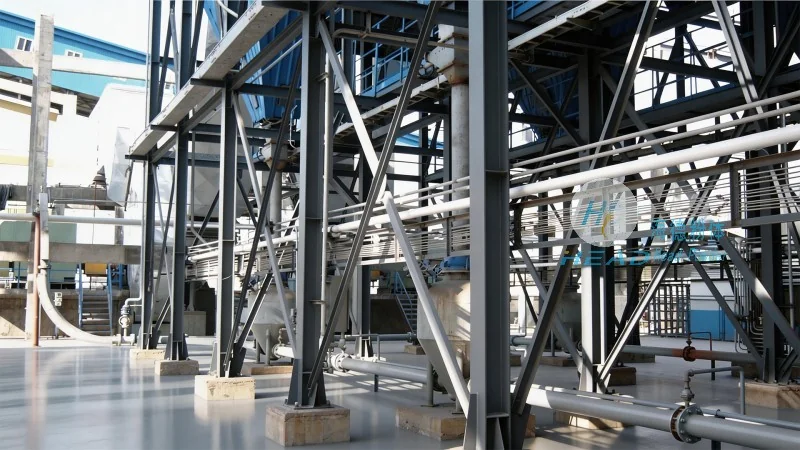
In conclusion, the pneumatic conveying system for graphene is a sophisticated piece of equipment that combines advanced engineering principles with careful design to handle the unique properties of graphene powder. The system's components and operational mechanisms work together to ensure the efficient and reliable transportation of graphene, which is essential for its integration into various industrial applications. The structural principles, including material feed systems, pipeline design, and pressure control units, are tailored to address the challenges of handling fine powders and maintain the quality of the graphene material. The operational efficiency of the system is influenced by factors such as particle size, air flow, and pipeline dimensions, and proper maintenance is crucial to maximize its performance. The equipment is particularly relevant for industries that rely on graphene as a key component, providing a reliable method for transporting the material while maintaining its purity and integrity. As a leading provider of engineering solutions for material handling, Shandong HeadPowder Engineering Co., Ltd. specializes in designing and manufacturing pneumatic conveying systems tailored to the specific needs of industries working with graphene and other fine powders. With a focus on quality and innovation, the company ensures that its equipment meets the highest standards of performance and reliability, supporting the growth and development of industries that utilize advanced materials like graphene.

 Shandong Headpowder Engineering Co., Ltd.
 156-6277-7102(Manager Zhang)
  0531-83386006
  Jinan City, Shandong Province, China
telephone
WeChatconsult
top