HeadPowder, a professional manufacturer based in Shandong, China, specializes in the design and production of bulk material handling equipment, particularly for chili powder and similar fine powders. This article provides an overview of the technology and structural principles behind efficient chili powder bulk material handling systems.
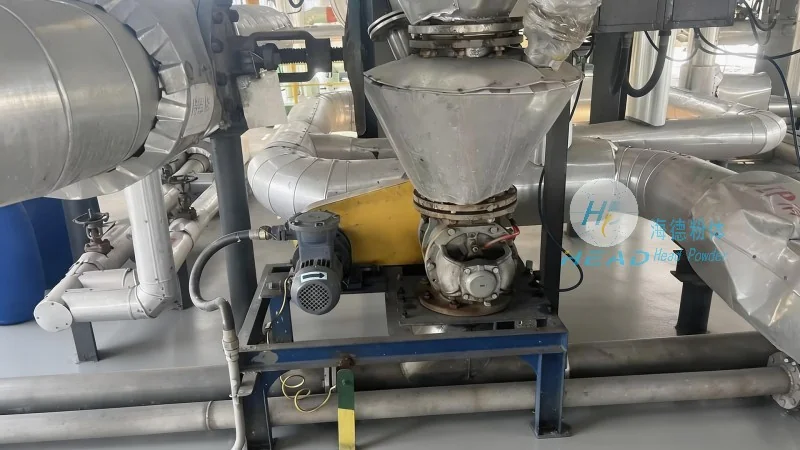
The efficient transportation of chili powder is crucial in industrial applications, such as food processing, pharmaceutical manufacturing, and chemical processing. Proper handling ensures product quality, reduces waste, and enhances operational safety. The following sections will explore the key components and operational principles of modern chili powder bulk material handling systems.
Modern chili powder bulk material handling systems typically consist of several core components that work in tandem to ensure smooth and reliable operation. These components include feeders, conveyors, storage silos, and control systems. Each component plays a vital role in the overall efficiency and effectiveness of the system.
Feeders are responsible for controlling the flow rate of chili powder from the storage silo to the conveyor. They are designed to handle fine powders without clogging or bridging, which can occur with cohesive materials like chili powder. Common types of feeders include screw feeders, vibratory feeders, and rotary valves. The choice of feeder depends on the specific characteristics of the chili powder, such as particle size, moisture content, and flowability.
Conveyors are the primary means of transporting chili powder from one location to another within the processing facility. There are several types of conveyors suitable for chili powder, including belt conveyors, screw conveyors, and pneumatic conveyors. Belt conveyors are widely used for horizontal and slight incline transport due to their simplicity and low maintenance. Screw conveyors, also known as auger conveyors, are ideal for vertical or inclined transport and can also serve as mixers or feeders. Pneumatic conveyors use air pressure to move chili powder through a pipeline, which is particularly effective for fine powders that are prone to dust generation.
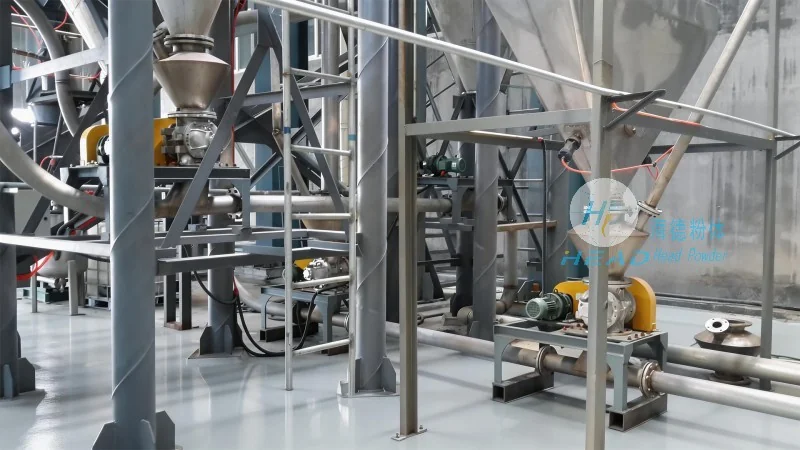
Storage silos are essential for storing large quantities of chili powder before processing. They are typically made of stainless steel or other corrosion-resistant materials to prevent contamination and maintain product quality. The design of the silo, including its shape and internal surfaces, is critical to prevent powder buildup and ensure uniform flow. Some silos are equipped with agitators or air cannons to break up any caking or bridging that may occur over time.
Control systems are integral to modern chili powder bulk material handling systems, providing automation and monitoring capabilities. These systems allow operators to adjust flow rates, monitor pressure and temperature, and detect any abnormalities in the process. Advanced control systems may include sensors for level measurement, flow monitoring, and particle size analysis, ensuring that the system operates within optimal parameters.
The structural design of chili powder bulk material handling systems is based on several fundamental principles to ensure efficient and safe operation. These principles include minimizing powder degradation, preventing contamination, and ensuring consistent flow rates.
One of the primary challenges in handling chili powder is maintaining product quality. Chili powder is sensitive to moisture and temperature changes, which can affect its flavor, color, and shelf life. Therefore, the design of the system must prioritize moisture control and temperature regulation. For example, the use of insulated silos and conveyors can help maintain a consistent temperature, preventing moisture absorption from the environment.
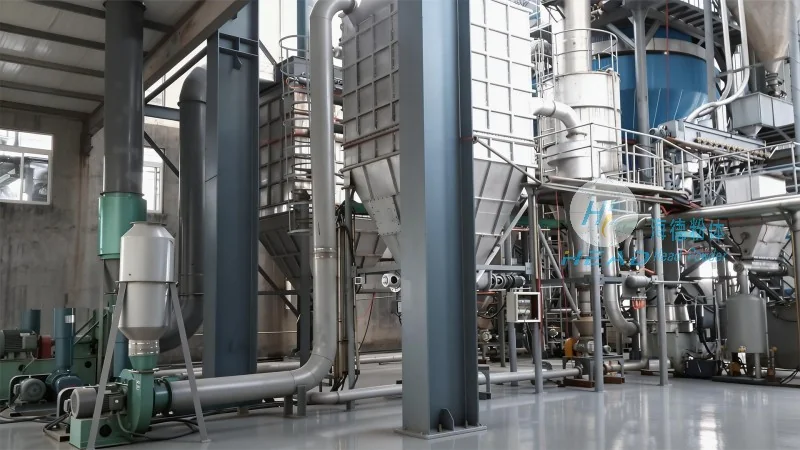
Contamination prevention is another critical aspect of chili powder bulk material handling. The system must be designed to prevent cross-contamination from other materials or environmental factors. This includes using stainless steel components, proper sealing of equipment, and regular cleaning and maintenance procedures. The control system can also be programmed to alert operators if any contamination is detected, allowing for immediate corrective action.
Consistent flow rates are essential for maintaining product quality and preventing equipment damage. The structural design of the system, including the feeder and conveyor, must be optimized to provide a stable and uniform flow of chili powder. This may involve adjusting the speed of the feeder, the angle of the conveyor, or the pressure in the pneumatic system. The control system plays a key role in monitoring and adjusting these parameters to ensure consistent performance.
Proper operation of chili powder bulk material handling systems requires careful attention to several factors to maximize efficiency and minimize downtime. These considerations include material characteristics, system maintenance, and safety protocols.
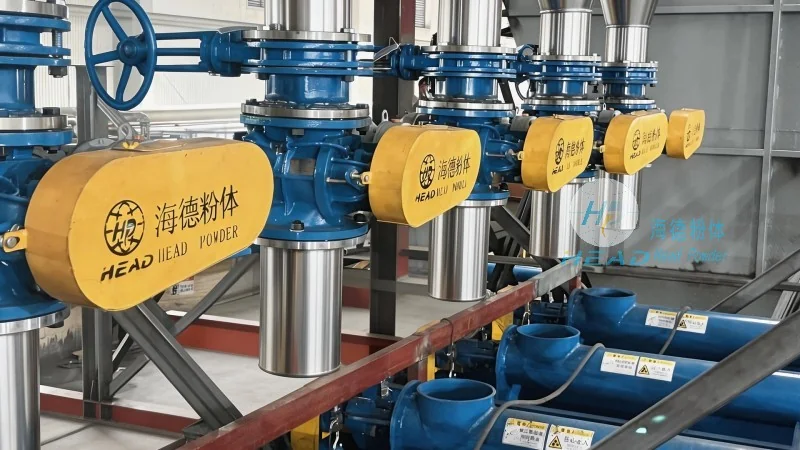
The characteristics of chili powder, such as particle size distribution, moisture content, and flowability, significantly impact the performance of the handling system. For example, fine chili powder may require a different feeder or conveyor than coarse chili powder. The system design must be tailored to the specific properties of the material to ensure optimal operation.
Maintenance is a critical aspect of maintaining the efficiency and longevity of chili powder bulk material handling systems. Regular cleaning and inspection of components, such as feeders, conveyors, and silos, are necessary to prevent clogging, wear, and corrosion. The control system should be checked regularly to ensure that all sensors and controls are functioning correctly. Preventive maintenance schedules should be established to address potential issues before they become major problems.
Safety is paramount in chili powder bulk material handling operations. The system must be designed and operated in accordance with relevant safety standards and regulations. This includes proper ventilation to control dust, explosion-proof components for pneumatic systems, and emergency stop mechanisms. Operators should be trained on the proper use and maintenance of the equipment to minimize the risk of accidents.
Efficient chili powder bulk material handling systems are essential for industrial applications, ensuring product quality, operational efficiency, and safety. The structural design and operational principles discussed in this article highlight the importance of careful consideration of material characteristics, system components, and control systems. By understanding and implementing these principles, manufacturers can optimize their chili powder handling processes and achieve better results.

 Shandong Headpowder Engineering Co., Ltd.
 156-6277-7102(Manager Zhang)
  0531-83386006
  Jinan City, Shandong Province, China
telephone
WeChatconsult
top