For industrial applications that require efficient and reliable handling of denitrator powders, understanding the mechanisms and structural design of powder conveying systems is crucial. This overview aims to provide a comprehensive insight into the components, operational principles, and functional aspects of denitrator powder conveying systems, highlighting the engineering solutions offered by Shandong HeadPowder Engineering Co., Ltd. (referred to as HeadPowder in this context).
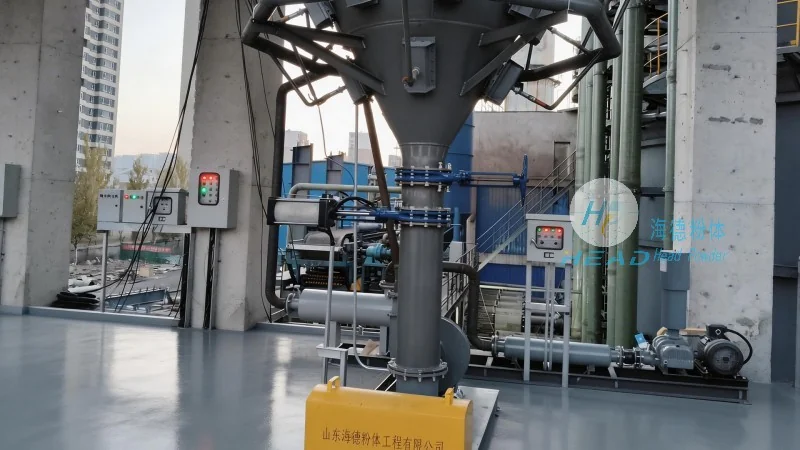
HeadPowder specializes in the design, manufacturing, and integration of advanced powder handling equipment tailored for the chemical and environmental sectors. The company’s expertise lies in developing systems that ensure safe, efficient, and cost-effective transportation of denitrator powders, which are essential for reducing nitrogen oxide emissions in industrial processes. This article delves into the core structure and operational principles of these conveying systems, emphasizing the technical innovations that enhance performance and reliability.
The denitrator powder conveying system typically comprises several critical components that work in tandem to achieve seamless material transport. The primary elements include a hopper for material storage, a feeding mechanism to control the flow rate, a conveying tube or pipeline, and a discharge unit for delivering the powder to the target location. Each component is engineered to withstand the specific properties of denitrator powders, such as particle size, moisture content, and flow characteristics.

The hopper is designed with a conical or rectangular shape to facilitate uniform material distribution and prevent bridging or caking, which can impede flow. The feeding mechanism, often a rotary valve or a screw feeder, regulates the amount of powder entering the conveying line, ensuring consistent and controlled discharge. The conveying tube, usually made of stainless steel or other corrosion-resistant materials, is configured to minimize friction and maintain the integrity of the powder during transport. The discharge unit, which may include a rotary valve or a venturi system, ensures the powder is delivered accurately to the next processing stage.
The fundamental principle behind denitrator powder conveying is the use of air or mechanical force to move the material through the system. Two primary methods are commonly employed: pneumatic conveying and mechanical conveying. Pneumatic systems utilize compressed air to create a flow that carries the powder particles, while mechanical systems rely on screw conveyors, belt conveyors, or bucket elevators to transport the material.
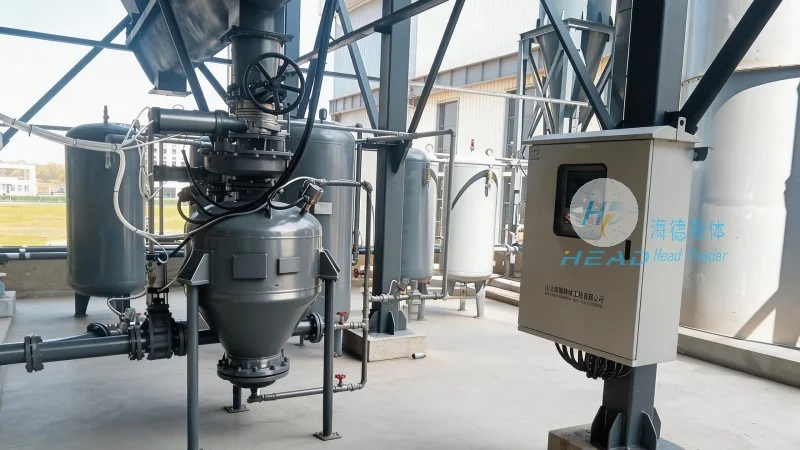
In pneumatic conveying, the powder is suspended in a stream of air and transported through the pipeline. The system operates by creating a pressure differential between the inlet and outlet, ensuring the powder is carried efficiently. This method is particularly effective for handling fine powders and minimizing material degradation. Mechanical conveying systems, on the other hand, use rotating components to push the powder along the conveying path. These systems are suitable for bulk materials and can handle higher flow rates, making them ideal for large-scale industrial applications.
HeadPowder leverages advanced engineering and material science to design customized denitrator powder conveying solutions that meet the specific requirements of each client. The company’s team of engineers conducts thorough analyses of the powder properties, operational conditions, and environmental factors to develop tailored systems. For instance, in applications where the powder is sensitive to moisture or temperature, HeadPowder incorporates moisture-proof and temperature-controlled components to preserve the material's quality.
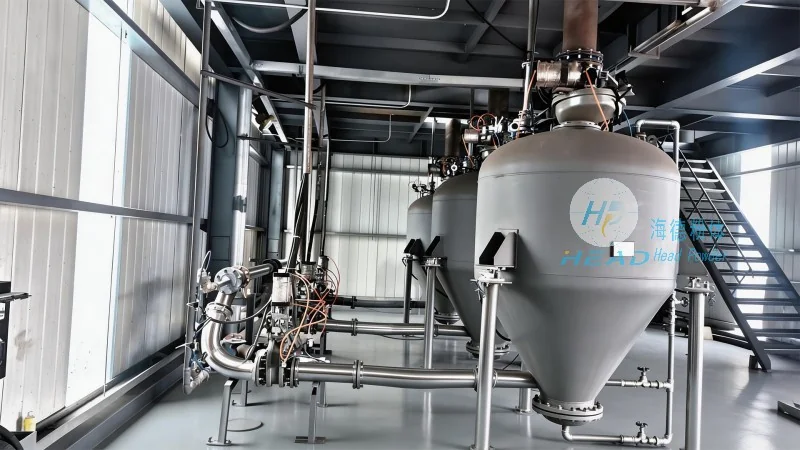
The company also focuses on enhancing the safety and efficiency of the conveying process. This includes implementing features such as dust collection systems to minimize airborne particle emissions, pressure relief valves to prevent over-pressurization, and monitoring sensors to track the system's performance in real-time. By integrating these features, HeadPowder ensures that the denitrator powder conveying systems operate reliably and comply with industry safety standards.
Denitrator powder conveying systems are critical components in industrial processes aimed at reducing nitrogen oxide emissions. The structural design and operational principles of these systems play a vital role in ensuring efficient material transport and process reliability. Shandong HeadPowder Engineering Co., Ltd. provides comprehensive solutions that combine advanced engineering, robust materials, and safety features to meet the diverse needs of the chemical and environmental sectors. By understanding the core components and operational mechanisms, industries can optimize their denitrator powder handling processes, leading to improved efficiency and environmental compliance.

 Shandong Headpowder Engineering Co., Ltd.
 156-6277-7102(Manager Zhang)
  0531-83386006
  Jinan City, Shandong Province, China
telephone
WeChatconsult
top