

Common Hydrogen Sulfide Conveying Methods: An Introduction to Hydrogen Sulfide Pneumatic Conveying
When it comes to handling and transporting hydrogen sulfide (H₂S), a highly toxic and corrosive gas, selecting the right conveying method is crucial for safety, efficiency, and operational reliability. Hydrogen sulfide, often encountered in industrial processes such as oil and gas extraction, petrochemical production, and waste treatment, requires specialized equipment and techniques to ensure safe and effective movement. This article explores common hydrogen sulfide conveying methods, with a focus on the advantages and applications of pneumatic conveying systems.
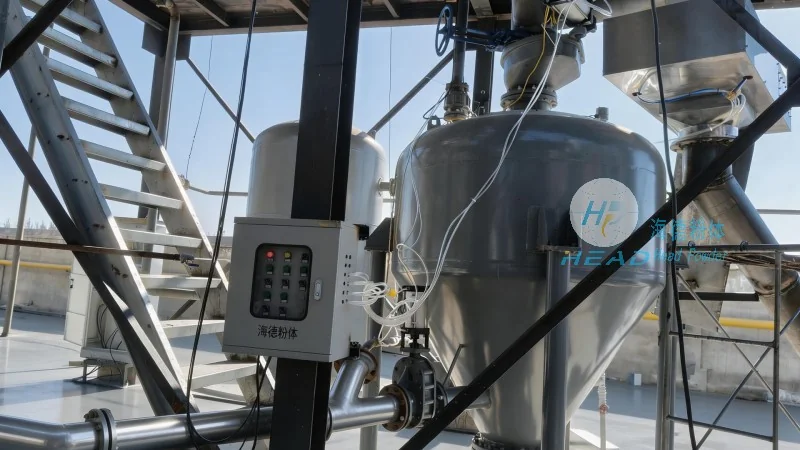
Understanding Hydrogen Sulfide and Its Conveying Challenges
Hydrogen sulfide is a colorless gas with a characteristic rotten egg odor, though it can be odorless at high concentrations. It is highly toxic, posing severe health risks including respiratory distress, eye irritation, and even death at elevated levels. Additionally, H₂S is corrosive to many materials, making it essential to use appropriate materials of construction for conveying equipment. These challenges necessitate the use of specialized conveying systems designed to handle the gas safely and efficiently.
Common Hydrogen Sulfide Conveying Methods
Several methods are employed for transporting hydrogen sulfide, each with its own set of advantages and limitations. The primary methods include pneumatic conveying, mechanical conveying, and liquid slurry transport. Among these, pneumatic conveying is widely regarded as the most suitable for hydrogen sulfide due to its ability to handle the gas in a closed system, minimizing exposure risks and ensuring environmental safety.
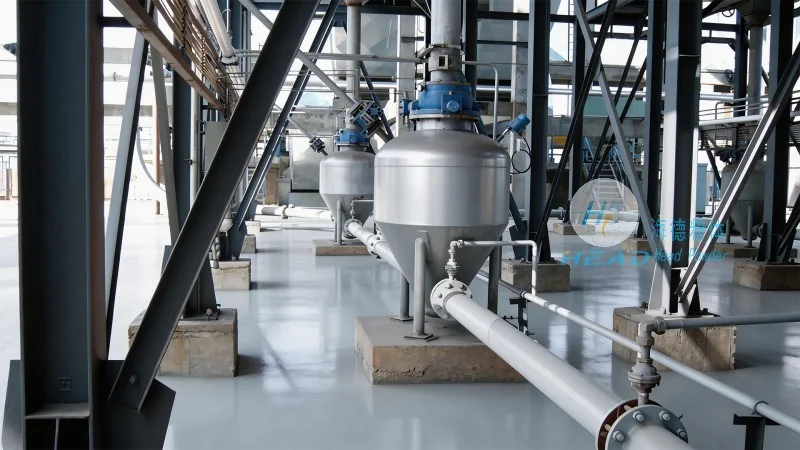
Pneumatic Conveying: The Preferred Method for Hydrogen Sulfide Transport
Pneumatic conveying systems utilize air or other gases to transport solid or liquid materials, including hydrogen sulfide, through a pipeline. This method offers several key benefits for H₂S handling. First, it operates in a closed system, which effectively prevents gas leaks and exposure to personnel. Second, it allows for precise control over the flow rate and pressure, ensuring consistent and reliable transport. Third, pneumatic conveying can handle both dry and liquid forms of hydrogen sulfide, making it versatile for various industrial applications.
There are two main types of pneumatic conveying systems used for hydrogen sulfide: pressure and vacuum. Pressure systems use compressed air to push the material through the pipeline, while vacuum systems use suction to draw the material. The choice between these systems depends on factors such as the distance to be covered, the volume of material to be transported, and the specific characteristics of the hydrogen sulfide being handled.
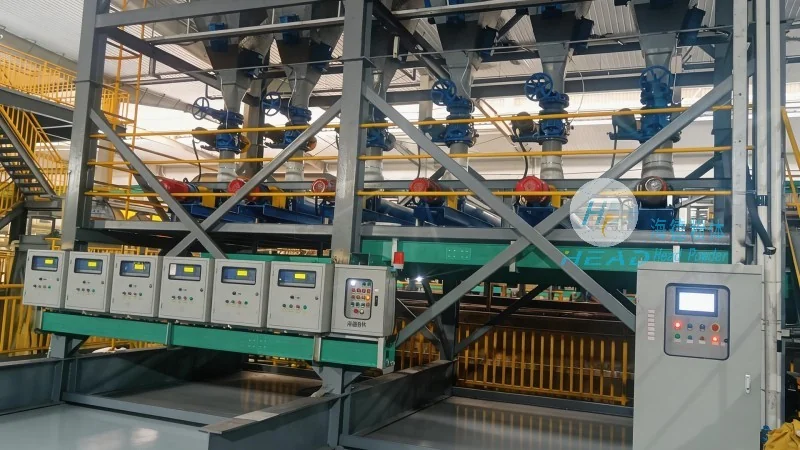
Key Components of Hydrogen Sulfide Pneumatic Conveying Systems
Effective hydrogen sulfide pneumatic conveying systems consist of several critical components. These include the material feed system, which introduces the hydrogen sulfide into the pipeline; the conveying line, which transports the gas; and the discharge system, which releases the material at the destination. Additionally, systems may include air compressors, filters, and controls to regulate pressure and flow. All components must be constructed from materials resistant to H₂S corrosion, such as stainless steel or specialized alloys, to ensure long-term durability and safety.
Advantages of Hydrogen Sulfide Pneumatic Conveying
Compared to other conveying methods, pneumatic conveying offers several advantages for hydrogen sulfide transport. The closed system design minimizes environmental impact and reduces the risk of accidental releases. It also allows for remote operation, reducing the need for personnel to be in close proximity to the gas. Furthermore, pneumatic systems can handle varying material conditions, including powders, slurries, and liquids, making them adaptable to different industrial processes. The ability to control flow rates and pressure also contributes to improved process efficiency and reduced downtime.
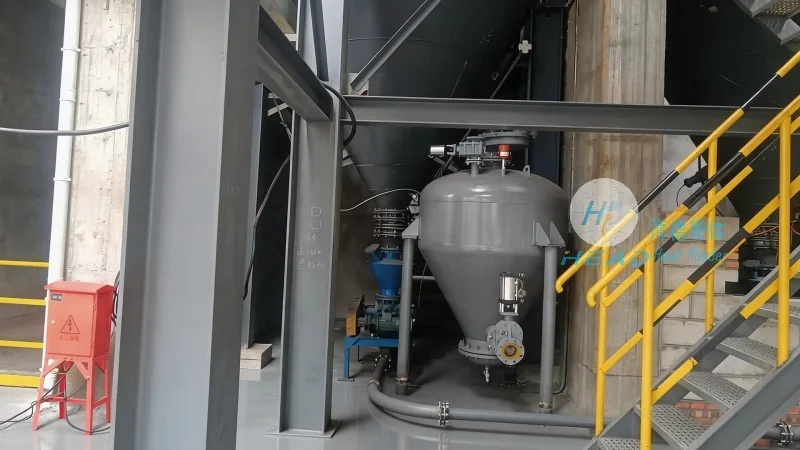
Applications of Hydrogen Sulfide Pneumatic Conveying
Hydrogen sulfide pneumatic conveying systems are widely used in various industries. In the oil and gas sector, they are employed to transport H₂S from production wells to processing facilities. In petrochemical plants, they help move H₂S-containing materials during refining processes. Additionally, waste treatment facilities use pneumatic conveying to handle H₂S generated from sewage treatment or industrial waste. The versatility of these systems makes them suitable for a wide range of applications where safe and efficient H₂S transport is required.
Conclusion: Choosing the Right Conveying Method for Hydrogen Sulfide
When selecting a hydrogen sulfide conveying method, it is essential to consider safety, efficiency, and operational requirements. Pneumatic conveying, particularly in a closed system, stands out as the most effective and reliable option for handling this hazardous gas. By leveraging specialized equipment and materials, companies can ensure safe and efficient transport of hydrogen sulfide while minimizing risks to personnel and the environment. For businesses in need of hydrogen sulfide conveying solutions, Shandong HeadPowder Engineering Co., Ltd. offers expert design and implementation of pneumatic conveying systems tailored to specific industrial needs.