

Key Design Considerations for Lime Powder Pneumatic Conveying System Solutions
When designing a pneumatic conveying system for lime powder, several critical factors must be considered to ensure efficiency, reliability, and safety. This article outlines key design considerations for such systems, emphasizing the expertise of Shandong HeadPowder Engineering Co., Ltd., a leading provider in the field.
System Sizing and Material Characteristics
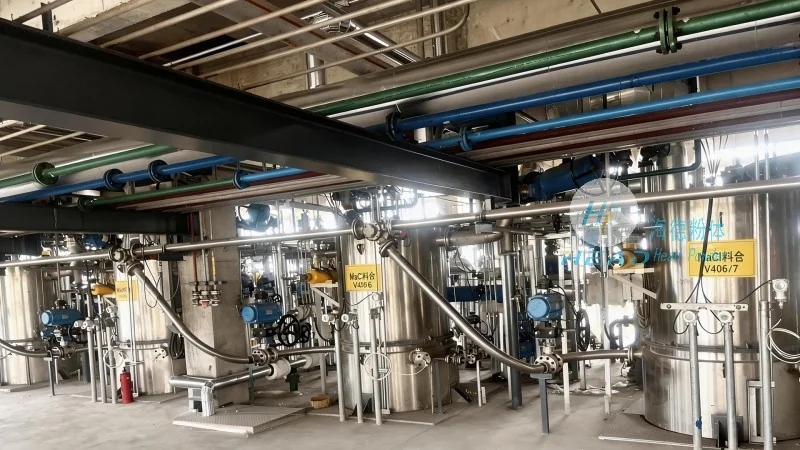
The first step in designing a lime powder pneumatic conveying system is accurately determining the system's capacity and the physical properties of the material. Lime powder, with its specific density, flowability, and particle size distribution, requires careful analysis. The system's design must account for the material's bulk density, which influences the required air volume and pressure. Proper sizing ensures that the system can handle the intended throughput without excessive energy consumption or pressure drops.
Conveying Method Selection
Choosing the appropriate conveying method is crucial for lime powder applications. There are two main categories: dilute phase and dense phase. Dilute phase systems use higher air velocities to transport material in a suspended state, suitable for short to medium distances. Dense phase systems, on the other hand, operate at lower velocities, using a higher air-to-material ratio to move material in a slurry-like state, ideal for longer distances or when handling abrasive or sensitive materials. The selection depends on the distance between the source and destination, the required material handling speed, and the material's characteristics.
Equipment Selection and Configuration
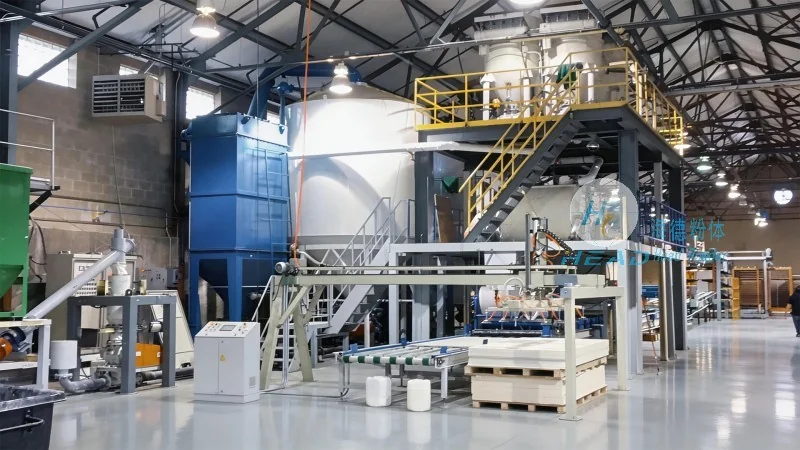
Key equipment components include the feed hopper, conveyor line, and receiver. The feed hopper must be designed to prevent material bridging and ensure consistent feeding. For lime powder, which can be cohesive, a hopper with appropriate angles and possibly a vibratory feeder is recommended. The conveyor line's material of construction is critical due to the corrosive nature of lime dust. Stainless steel or other corrosion-resistant materials are typically used. The receiver must be equipped with dust collection systems to comply with environmental regulations and maintain air quality. Proper configuration of these components ensures smooth material flow and minimizes downtime.
Pressure and Air Flow Management
Effective pressure and air flow management is essential for optimal system performance. The system must maintain sufficient pressure to overcome friction losses in the pipeline and elevation changes. Air flow rates are calculated based on the material's properties and the chosen conveying method. Monitoring and controlling air pressure and flow is vital to prevent system inefficiencies, such as pressure drops that can lead to material blockages or reduced throughput. Advanced control systems can help maintain consistent performance under varying load conditions.
Safety and Environmental Considerations
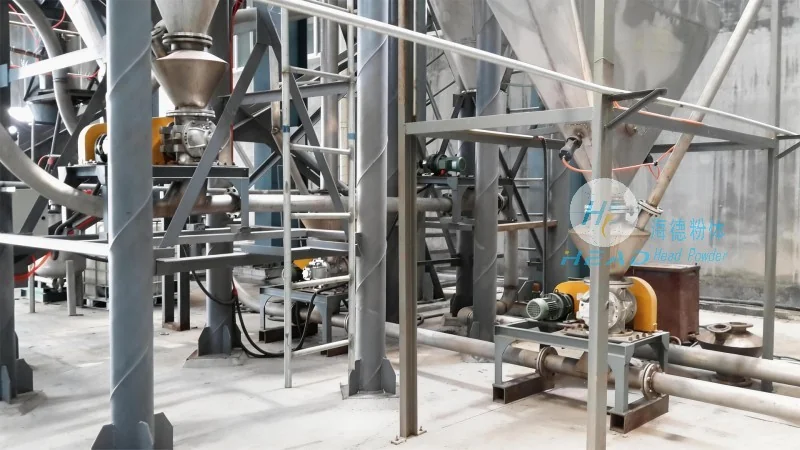
Designing a lime powder pneumatic conveying system involves strict adherence to safety and environmental standards. Lime dust is a respiratory hazard, requiring comprehensive dust collection and ventilation systems. The system must be equipped with explosion-proof components where necessary, especially in areas with potential for dust accumulation. Regular maintenance and inspections are crucial to prevent equipment failure and ensure compliance with local regulations. Environmental considerations include minimizing dust emissions and ensuring proper waste disposal of any byproducts.
Integration with Existing Facilities
For many applications, the pneumatic conveying system must integrate seamlessly with existing infrastructure. This involves coordinating with the client's layout, space constraints, and operational requirements. The design process includes site surveys and consultations to ensure the system fits within the available footprint and does not interfere with other operations. Proper integration reduces installation time and costs while maintaining the system's efficiency and reliability.
Maintenance and Operational Support
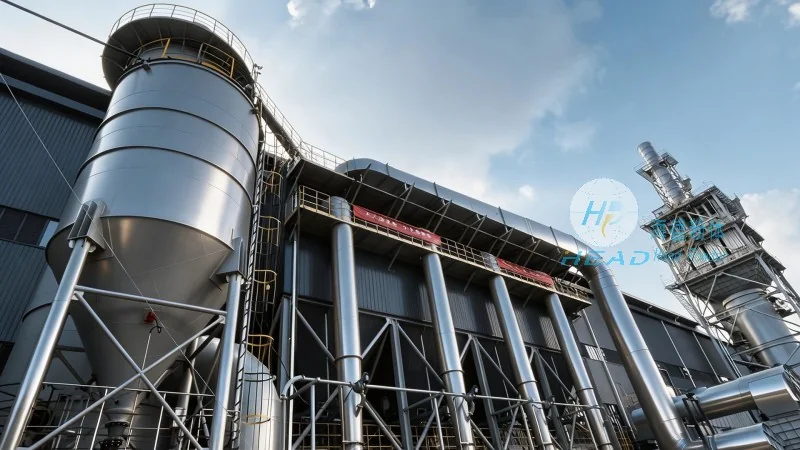
Long-term system performance depends on regular maintenance and operational support. Shandong HeadPowder Engineering Co., Ltd. offers comprehensive after-sales services, including maintenance plans, spare parts availability, and technical support. Regular cleaning of the conveyor line, inspection of equipment components, and monitoring of system performance help prevent breakdowns and extend the system's lifespan. Proactive maintenance ensures that the system operates at peak efficiency, minimizing downtime and maximizing productivity.
Conclusion
Designing a successful lime powder pneumatic conveying system requires a thorough understanding of material properties, system components, and operational requirements. By addressing key design considerations such as system sizing, conveying method selection, equipment configuration, and safety measures, engineers can develop a reliable and efficient system. Shandong HeadPowder Engineering Co., Ltd. leverages its expertise to provide tailored solutions that meet the specific needs of clients, ensuring optimal performance and long-term success in lime powder handling applications.