

Design Considerations for Stearic Acid Sodium Pneumatic Conveying System Solutions
Stearic acid sodium, a widely used chemical additive in various industrial applications, requires efficient and reliable material handling solutions for its transportation. The pneumatic conveying system, particularly designed for such powders, plays a crucial role in ensuring smooth operations and maintaining product quality. This article outlines key design considerations for developing an effective stearic acid sodium pneumatic conveying system, emphasizing the technical aspects and practical implementation strategies.
System Overview and Core Components
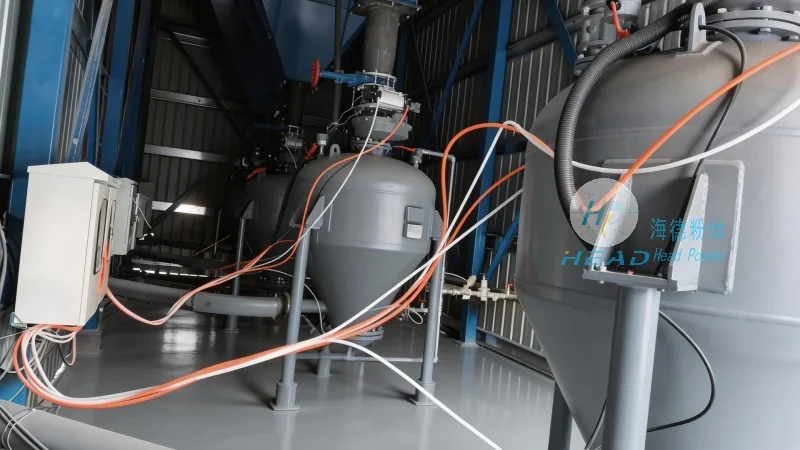
The stearic acid sodium pneumatic conveying system typically consists of several essential components that work in tandem to achieve optimal material transport. These include the material hopper, feeding mechanism, air compressor, conveying line, and dust collection system. Each component must be carefully selected and integrated to ensure the system operates efficiently and safely. The material hopper is designed to store the stearic acid sodium powder, providing a consistent feed to the feeding device. The feeding mechanism, often a rotary valve or a screw feeder, controls the flow rate of the material into the conveying line. The air compressor generates the necessary air pressure to move the powder through the pipeline. The conveying line, usually made of stainless steel or other corrosion-resistant materials, ensures the material is transported without degradation. Finally, the dust collection system captures any airborne particles, maintaining a clean and safe working environment.
Key Design Considerations for Stearic Acid Sodium Handling
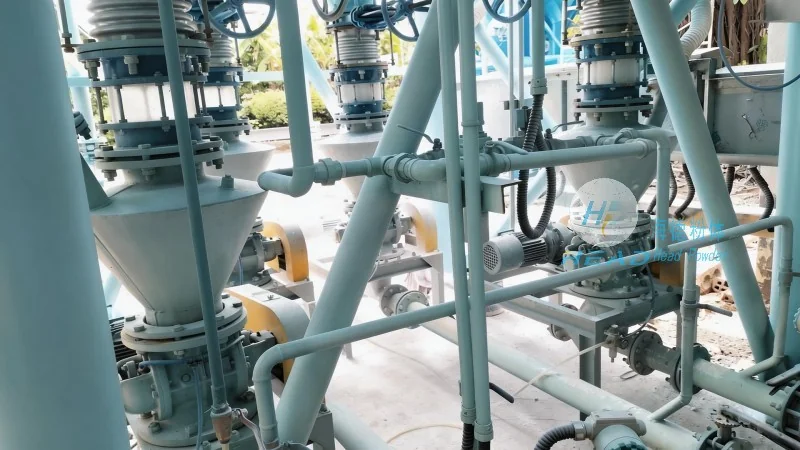
When designing a pneumatic conveying system for stearic acid sodium, several critical factors must be considered to prevent issues such as clogging, material degradation, and system inefficiency. Firstly, the material's properties, such as its bulk density, flowability, and moisture content, significantly impact the system's performance. Stearic acid sodium is a fine powder with a relatively low bulk density, which can lead to low conveying velocities if not properly managed. Therefore, the selection of the conveying velocity is crucial; it must be high enough to prevent particle settling but low enough to avoid excessive pressure drop and energy consumption. Secondly, the system's pressure drop is a critical parameter that affects the compressor's power requirements and overall energy efficiency. Proper sizing of the conveying line diameter and the use of smooth, unobstructed piping are essential to minimize pressure losses. Thirdly, the risk of material clogging is a major concern with fine powders like stearic acid sodium. To mitigate this, the system design should incorporate features such as air knives, pulse jets, or rotary airlocks that help break up agglomerates and maintain a consistent flow. Additionally, the use of appropriate materials for the conveying line and components, such as stainless steel or PTFE-coated pipes, can prevent corrosion and material adhesion, further reducing clogging risks.
Application-Specific Design Strategies
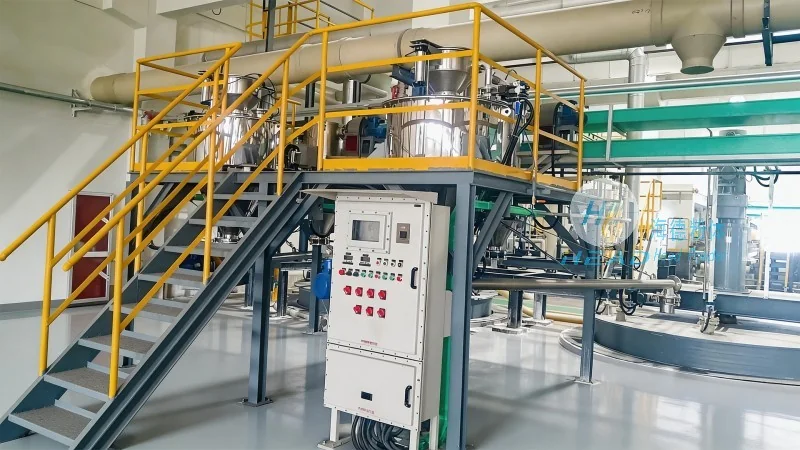
The design of a stearic acid sodium pneumatic conveying system should also consider the specific application requirements. For example, in food processing or pharmaceutical industries, where product purity and hygiene are paramount, the system must be designed to meet stringent standards. This includes using sanitary-grade components, ensuring all parts are easy to clean and maintain, and implementing proper dust control measures to prevent contamination. In industrial manufacturing, where large-scale production is involved, the system's capacity and reliability are key. The design may focus on maximizing the conveying rate while maintaining low maintenance costs and energy consumption. In such cases, the use of positive displacement blowers or high-pressure compressors might be considered to achieve higher conveying velocities and reduce the risk of material degradation. Furthermore, the system's flexibility is important, allowing for adjustments in flow rates or material types without significant modifications. This can be achieved through modular design, where components can be easily replaced or upgraded as needed.

Company Expertise and Custom Solutions
Shandong HeadPowder Engineering Co., Ltd., a leading provider of engineering solutions for chemical processing, specializes in designing and implementing pneumatic conveying systems tailored to the unique needs of clients. With years of experience in the industry, the company has developed a deep understanding of the challenges associated with handling fine powders like stearic acid sodium. Their team of engineers utilizes advanced design software and methodologies to create customized solutions that optimize material flow, minimize energy consumption, and ensure long-term reliability. The company's approach involves thorough site assessments, material testing, and detailed system simulations to ensure that the final design meets all operational and safety requirements. By leveraging their expertise in material handling and pneumatic systems, Shandong HeadPowder Engineering Co., Ltd. offers comprehensive solutions that address the specific challenges of stearic acid sodium transportation, providing clients with efficient and cost-effective systems that enhance their overall production processes.