

Design Considerations for Coffee Bean Pneumatic Conveying Systems
Shandong HeadPowder Engineering Co., Ltd., commonly known as headpowder, specializes in the design and implementation of advanced pneumatic conveying systems tailored for the coffee industry. With a focus on optimizing the handling and processing of coffee beans, our systems are engineered to meet the unique demands of coffee production, ensuring efficiency, reliability, and product integrity throughout the conveying process.
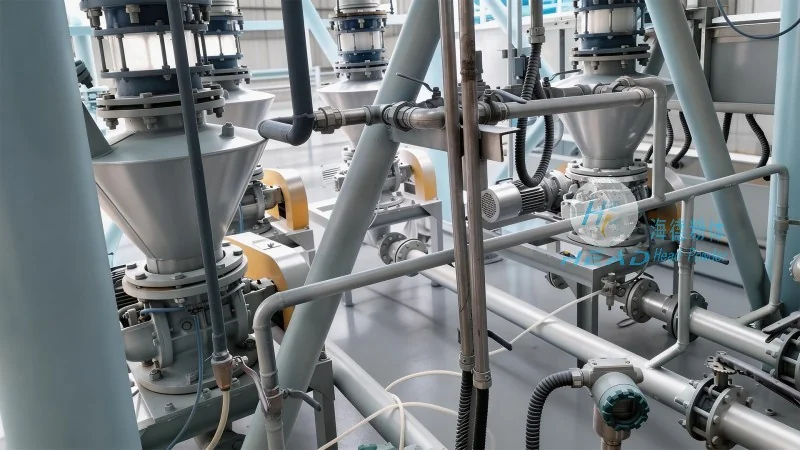
Key Design Considerations for Coffee Bean Pneumatic Conveying Systems
When designing a pneumatic conveying system for coffee beans, several critical factors must be addressed to ensure optimal performance and longevity. The first consideration is the material properties of coffee beans, which include their density, moisture content, and potential for dust generation. These characteristics influence the selection of appropriate air velocity, pressure, and system configuration to prevent product degradation and equipment wear.
Another crucial aspect is the system's capacity and flow rate requirements. Coffee processing facilities often handle varying volumes of beans, from small batch roasting operations to large-scale industrial production. The design must accommodate these fluctuations while maintaining consistent conveying efficiency. This involves selecting the right type of conveying equipment, such as dilute-phase or dense-phase systems, based on the specific application and product characteristics.
System Components and Their Role in Coffee Bean Handling
The core components of a coffee bean pneumatic conveying system include the hopper, feeder, air compressor, conveying line, and receiver. Each component plays a vital role in the overall operation. The hopper is designed to store and feed the coffee beans into the system, ensuring a continuous and controlled flow. The feeder, typically a rotary valve or screw feeder, regulates the amount of material entering the conveying line, preventing overloading and maintaining consistent air-to-material ratios.
The air compressor provides the necessary pressure and airflow to move the coffee beans through the system. The choice of compressor type—such as positive displacement or centrifugal—depends on the system's pressure requirements and the desired flow rate. The conveying line, usually made of stainless steel or other corrosion-resistant materials, must be able to withstand the abrasive nature of coffee beans and resist wear from repeated use.
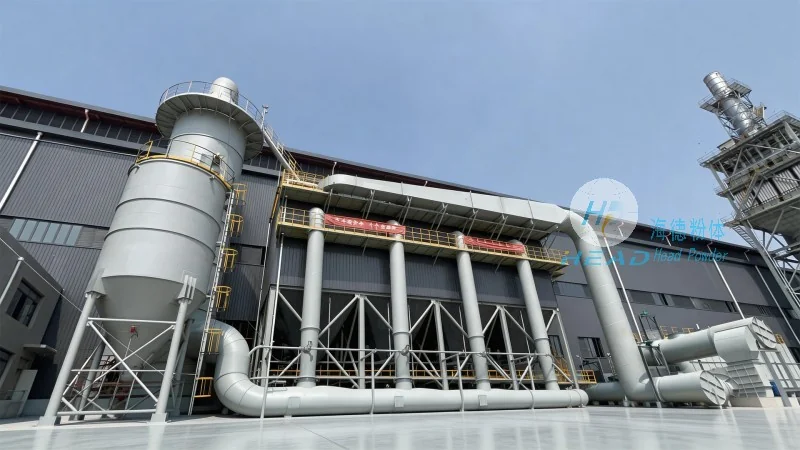
The receiver is the final component, where the coffee beans are deposited after being conveyed. It is designed to minimize product loss and contamination, with features like dust collection and air filtration to maintain product quality. Proper sealing and maintenance of the receiver are essential to prevent cross-contamination and ensure the beans remain in optimal condition.
Material Selection and Equipment Durability
For coffee bean pneumatic conveying systems, material selection is critical to ensure durability and product safety. Components such as hoppers, feeders, and conveying lines are often constructed from stainless steel, which offers excellent resistance to corrosion and abrasion. This is particularly important in environments where moisture or acidic compounds are present, as coffee beans can be sensitive to contamination.
Additionally, the use of high-quality seals and gaskets is essential to prevent air leakage and maintain system efficiency. Leaks can lead to reduced conveying performance and increased energy consumption, making it imperative to use durable, food-grade materials for all sealing components. Regular maintenance and inspection of these parts are necessary to ensure long-term reliability.
Energy Efficiency and Operational Costs
Designing an energy-efficient pneumatic conveying system is a key consideration for coffee processing facilities, as energy costs can significantly impact operational expenses. The selection of the right air compressor and system configuration can help minimize energy consumption while maintaining optimal conveying performance. For example, using a variable-speed compressor allows for adjustments based on the system's load, reducing energy waste during low-demand periods.
Furthermore, optimizing the air-to-material ratio is crucial for energy efficiency. By maintaining the correct ratio, the system can operate with minimal pressure loss and reduced energy usage. This involves careful calibration of the feeder and compressor to ensure that the amount of air used is proportional to the volume of coffee beans being conveyed.
Integration with Existing Coffee Processing Infrastructure
When implementing a new pneumatic conveying system, it is essential to consider its integration with existing coffee processing infrastructure. This includes coordinating with other equipment such as roasters, grinders, and packaging machines to ensure seamless operation. The system must be designed to fit within the available space and connect to existing utilities, such as electrical power and compressed air.

Additionally, the system should be compatible with the facility's control systems, allowing for centralized monitoring and automation. This integration can improve overall operational efficiency and reduce the need for manual intervention, leading to higher productivity and lower labor costs.
Maintenance and Troubleshooting Guidelines
Proper maintenance is essential to ensure the long-term performance and reliability of a coffee bean pneumatic conveying system. Regular inspections and cleaning of components, such as the hopper, feeder, and conveying line, are necessary to prevent clogging and maintain optimal airflow. The air compressor and filters should be checked regularly to ensure they are functioning correctly and to prevent dust accumulation.
Troubleshooting common issues, such as reduced conveying capacity or increased energy consumption, is also important. These issues may be caused by factors like clogged filters, worn seals, or improper feeder settings. By addressing these problems promptly, the system can be restored to optimal performance, minimizing downtime and ensuring consistent product quality.
Shandong HeadPowder Engineering Co., Ltd. provides comprehensive support for the maintenance and operation of our coffee bean pneumatic conveying systems. Our team of experts offers technical guidance, maintenance services, and troubleshooting assistance to help facilities maintain their systems in peak condition. With our expertise and commitment to quality, we ensure that our clients can rely on our systems to meet their production needs efficiently and reliably.