

Design Considerations for White Sugar Pneumatic Conveying Systems
White sugar, a staple in the food and beverage industry, requires efficient and reliable material handling solutions to maintain product quality and operational efficiency. Pneumatic conveying systems have emerged as a preferred method for transporting white sugar due to their ability to handle fine powders and granules while minimizing product contamination and degradation. However, the design of such systems demands careful consideration of several critical factors to ensure optimal performance and longevity. This article outlines key design considerations for white sugar pneumatic conveying systems, emphasizing the expertise of Shandong HeadPowder Engineering Co., Ltd., a leading provider of industrial material handling solutions.
System Selection: Choosing the Right Conveying Technology
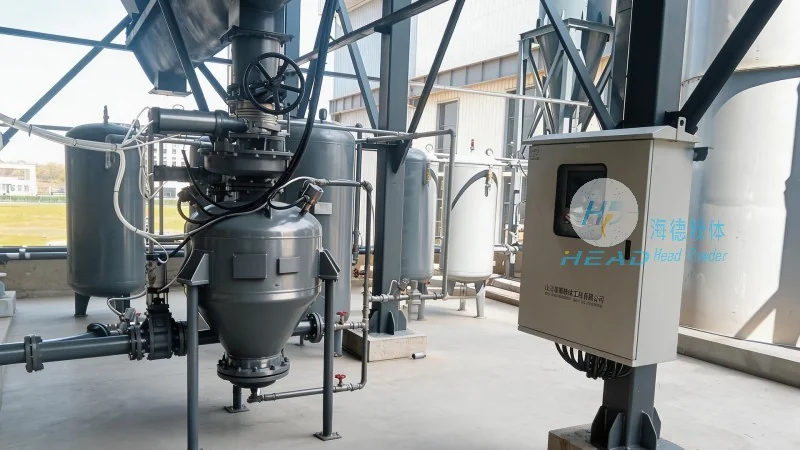
The first step in designing a white sugar pneumatic conveying system is selecting the appropriate conveying technology. Two primary types are commonly used: dilute-phase and dense-phase systems. Dilute-phase systems, which use low air-to-material ratios, are suitable for short to medium-distance transport and low to moderate material flow rates. Dense-phase systems, on the other hand, employ higher air-to-material ratios and are ideal for long-distance transport, high flow rates, and materials that are prone to bridging or caking. For white sugar, which is typically a fine to medium-grained product, a combination of both technologies may be considered, depending on the specific application requirements. HeadPowder engineers evaluate factors such as the distance between the source and destination, the required flow rate, and the material's physical properties to recommend the most suitable system configuration.
Equipment Selection: Ensuring Compatibility with White Sugar
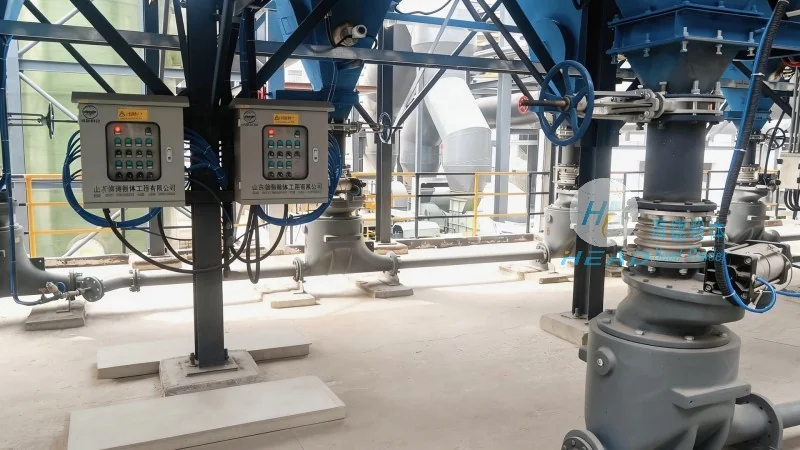
Once the system type is determined, the selection of individual components becomes crucial. Key equipment includes feeders, conveyors, separators, and dust collectors. For white sugar, feeders must be designed to handle fine powders without causing blockages or agglomeration. Screw feeders or rotary valves are commonly used, as they provide consistent material flow and minimize product degradation. The conveyor itself, whether a pipeline or a flexible hose, must be constructed from materials that are non-reactive with white sugar, such as stainless steel or food-grade plastics, to prevent contamination. Separators, such as cyclones or bag filters, are essential for removing entrained air and preventing dust from escaping into the environment. The choice of separator depends on the system's pressure and the desired level of filtration. Dust collectors, typically baghouse or cartridge filters, ensure compliance with environmental regulations and maintain a clean working environment. HeadPowder's expertise in material selection and component integration ensures that all equipment is tailored to the unique characteristics of white sugar, such as its hygroscopic nature and potential for caking.
Process Layout and Flow Optimization
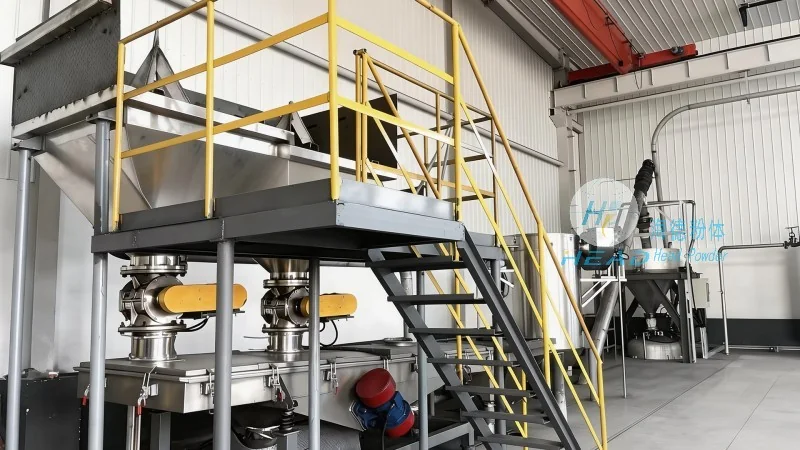
The layout of the pneumatic conveying system significantly impacts its efficiency and reliability. Proper planning of the system's route, including the placement of feeders, conveyors, and receivers, minimizes pressure losses and reduces the risk of material buildup. For white sugar, which is sensitive to moisture and temperature changes, the system should be designed to maintain a consistent temperature and humidity level throughout the transport process. This may involve incorporating temperature-controlled sections or using insulated pipelines to prevent condensation. Additionally, the system should be designed with multiple access points and emergency shut-off valves to facilitate maintenance and prevent product spillage. HeadPowder engineers use advanced simulation tools to model the system's flow and pressure dynamics, ensuring that the layout is optimized for both performance and safety.
Control and Safety Systems
Effective control and safety systems are critical for the safe and efficient operation of white sugar pneumatic conveying systems. Automated control systems, including PLCs (Programmable Logic Controllers), are used to monitor and regulate key parameters such as pressure, flow rate, and temperature. These systems can detect abnormalities, such as pressure drops or material blockages, and trigger alarms or shutdown procedures to prevent equipment damage or product loss. Safety features, such as explosion-proof designs and overpressure relief valves, are essential for handling white sugar, which can be a fire hazard under certain conditions. HeadPowder incorporates industry-standard safety protocols into all system designs, ensuring compliance with local regulations and minimizing operational risks.
Maintenance and Longevity
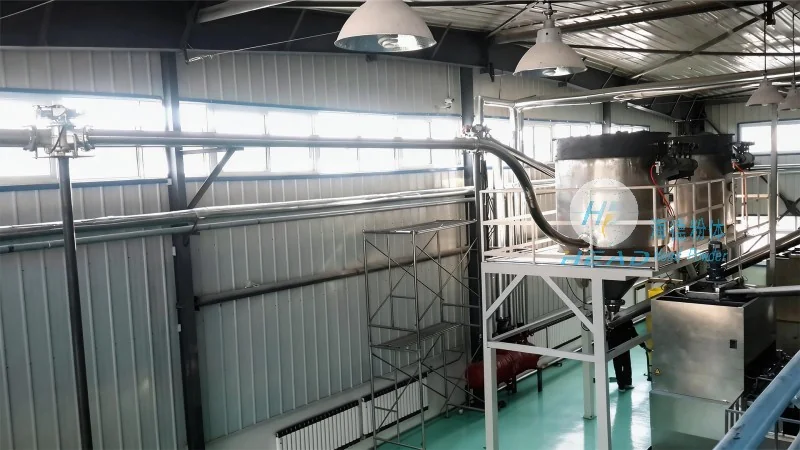
Regular maintenance is essential to ensure the long-term performance and reliability of a white sugar pneumatic conveying system. HeadPowder recommends a preventive maintenance schedule that includes inspections of feeders, conveyors, and separators, as well as cleaning of the system to remove accumulated material. For white sugar, which can be hygroscopic and prone to caking, regular cleaning is particularly important to prevent blockages and maintain system efficiency. The use of high-quality materials and components, such as stainless steel and food-grade plastics, also contributes to the system's longevity. HeadPowder provides comprehensive maintenance services, including on-site inspections and component replacement, to ensure that the system operates at peak performance throughout its service life.