

Design Considerations for Small Gravel Air-Pneumatic Conveying Systems
When designing an air-pneumatic conveying system for small gravel, several critical factors must be considered to ensure efficient operation, durability, and cost-effectiveness. The process involves understanding the material properties, system layout, and operational requirements to create a reliable solution tailored to the specific needs of the application. Small gravel, typically defined as particles ranging from 2 to 20 millimeters in diameter, presents unique challenges due to its size and shape. These characteristics affect the system's ability to maintain consistent flow and prevent blockages. For example, angular or irregularly shaped gravel can cause increased friction within the conveying pipes, leading to higher pressure drop and potential wear on the pipe walls. The density of the gravel, often ranging from 2.5 to 2.8 grams per cubic centimeter, also influences the required air pressure and flow rate. Higher density materials demand more force to move, necessitating a more powerful air compressor and larger diameter pipes to maintain optimal throughput.
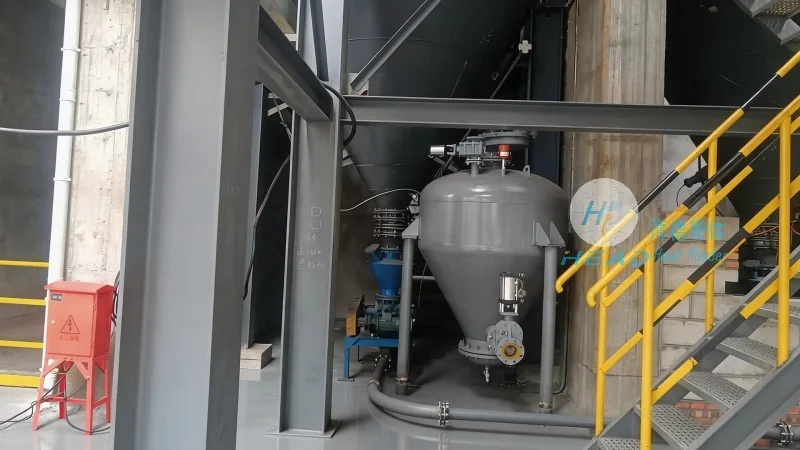
Key Design Considerations for Small Gravel Air-Pneumatic Conveying Systems
One of the primary considerations is the material characteristics of the small gravel. The size, shape, and density of the gravel particles directly impact the system's performance. For instance, irregularly shaped or angular gravel may cause more friction and wear on components, necessitating the use of robust materials for the conveying pipes and valves. Additionally, the moisture content of the gravel is crucial; high moisture levels can lead to caking or blockages, which can be mitigated by incorporating drying or conditioning steps in the system design. The flow rate and pressure requirements are also critical, as they determine the size and capacity of the air compressor and the diameter of the conveying lines. Proper sizing ensures that the system can handle the desired throughput without excessive energy consumption or pressure loss.
System Layout and Component Selection
The layout of the air-pneumatic conveying system plays a significant role in its efficiency. A well-planned layout minimizes the length of the conveying lines, reduces pressure drop, and optimizes the placement of components such as the hopper, feeder, and receiver. The choice of components, including the air compressor, filter, and control valves, is essential. High-quality, industrial-grade components from reputable manufacturers like Shandong HeadPowder Engineering Co., Ltd. (headpowder) are recommended to ensure long-term reliability and minimal maintenance. The system should also include safety features, such as pressure relief valves and emergency shut-off mechanisms, to protect against over-pressurization and other potential hazards. For instance, the air compressor must be selected based on the system's required pressure and flow, with options ranging from rotary lobe compressors to screw compressors, depending on the application's specific demands.
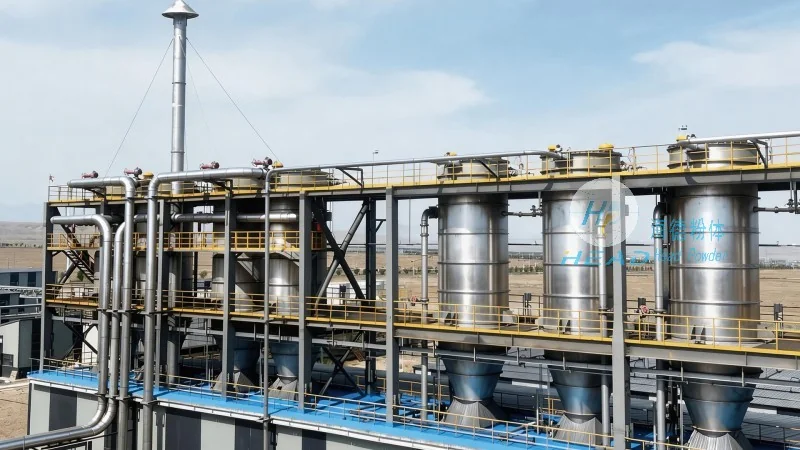
Energy Efficiency and Maintenance
Energy efficiency is a key factor in the long-term operation of the air-pneumatic conveying system. Selecting an appropriately sized air compressor that matches the system's demand can reduce energy costs. Regular maintenance, including cleaning the filter, checking for leaks, and inspecting wear parts, is vital to maintain optimal performance. The use of wear-resistant materials for components exposed to the gravel, such as the hopper and pipe interiors, can extend the system's lifespan and reduce downtime. Additionally, implementing a monitoring system to track pressure, flow, and temperature can help identify issues early, preventing major failures and ensuring consistent operation. For example, a pressure sensor can alert operators to potential blockages or pressure drops, allowing for timely intervention and minimizing production losses.
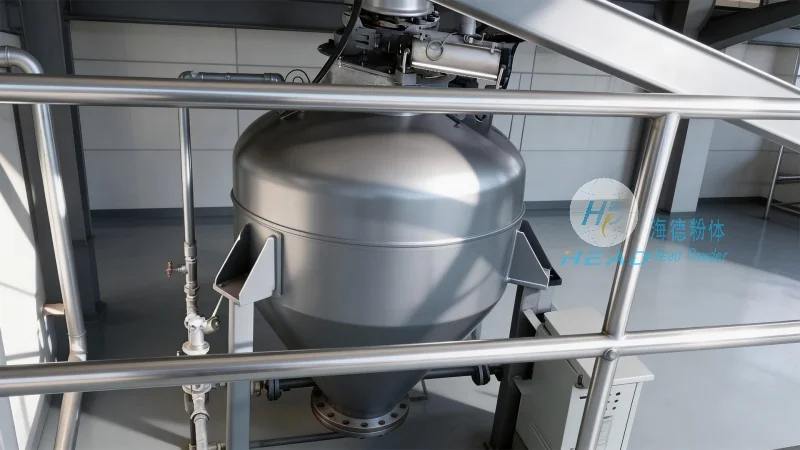
Integration with Existing Facilities
For many applications, integrating the air-pneumatic conveying system with existing infrastructure is necessary. This involves coordinating the system's dimensions with the available space and ensuring compatibility with existing equipment. The design should consider the location of the hopper, where the gravel is loaded, and the receiver, where it is discharged. Proper alignment and spacing are crucial to avoid interference with other machinery or structures. The system should also be designed to minimize noise and vibration, which is important for maintaining a safe and comfortable working environment. For instance, soundproofing the air compressor and using flexible connectors can reduce noise levels, while proper support structures can prevent vibration-related damage to the conveying lines.
Customization and Scalability
Another important consideration is the system's ability to be customized and scaled to meet future needs. As production requirements change, the conveying system may need to handle increased volumes or different types of materials. A well-designed system allows for easy modifications, such as adding additional conveying lines or upgrading the air compressor. This flexibility ensures that the investment in the system remains relevant over time. Additionally, the system should be designed with future expansion in mind, allowing for the integration of new components or technologies without major overhauls. For example, incorporating modular components can enable the system to be expanded as needed, providing a cost-effective solution for growing operations.