

Principle and Classification Application of Sand and Gravel Pneumatic Conveying
HeadPowder, a leading engineering company based in Shandong, China, specializes in the design and implementation of pneumatic conveying systems for sand and gravel materials. This article provides an overview of the fundamental principles and various classification applications of pneumatic conveying technology in the handling of such bulk materials.

Working Principle of Pneumatic Conveying
Pneumatic conveying, also known as air conveying, is a method of transporting bulk materials like sand and gravel through a pipeline using compressed air. The process typically involves creating a pressure differential between the inlet and outlet of the conveying line. At the material loading point, the material is introduced into the pipeline, often mixed with the conveying air. The air flow then propels the material through the pipeline to the discharge point. The system can operate under either positive pressure (where air is forced through the pipeline) or negative pressure (where air is drawn out of the pipeline). The choice of pressure type depends on factors such as the distance to be conveyed, the material characteristics, and the system layout.
Classification of Pneumatic Conveying Systems
Pneumatic conveying systems for sand and gravel are generally classified based on the pressure level and the method of material transport. The primary classifications include:
1. Positive Pressure Systems: These systems use compressed air to push the material through the pipeline. They are suitable for short to medium conveying distances and can handle a wide range of materials, including abrasive sand and gravel. Positive pressure systems are often preferred for applications where the material needs to be conveyed to multiple discharge points or where the system is integrated with other processes.
2. Negative Pressure (Vacuum) Systems: In these systems, a vacuum is created at the discharge end, drawing the material and air mixture through the pipeline. Negative pressure systems are ideal for long-distance conveying and for applications where the material needs to be collected from multiple sources. They are also commonly used in environments where dust control is a priority, as the vacuum helps to contain particles within the system.
3. Combined Systems: Some applications may require a combination of positive and negative pressure to achieve optimal conveying performance. For instance, a system might use positive pressure to transport material from the loading point to a central point and then switch to negative pressure to distribute it to multiple discharge locations.
Key Components of Pneumatic Conveying Systems
Regardless of the classification, a typical pneumatic conveying system for sand and gravel consists of several key components. These include:
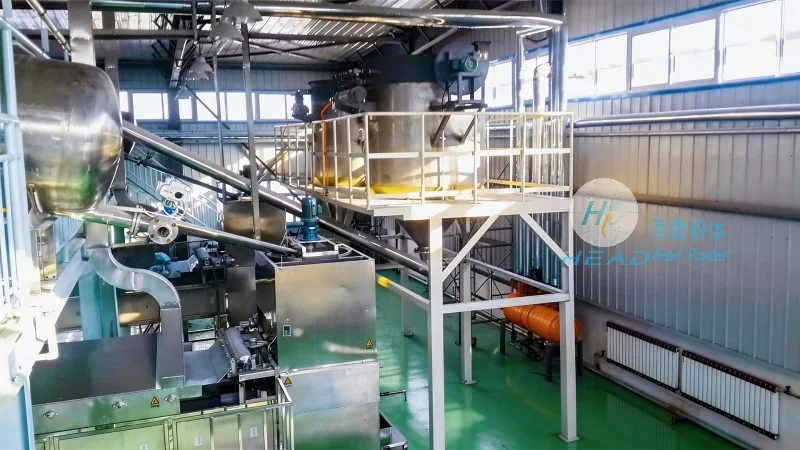
• Conveying Pipeline: The pipeline is made of materials such as stainless steel or high-density polyethylene, chosen for their durability and resistance to abrasion from the sand and gravel. The pipe diameter and length are critical factors that affect the system's efficiency and pressure drop.
• Material Loading Hopper: The hopper is where the sand and gravel are introduced into the system. It is designed to ensure a consistent flow of material into the pipeline, often equipped with feeders like screw conveyors or rotary valves to control the material feed rate.
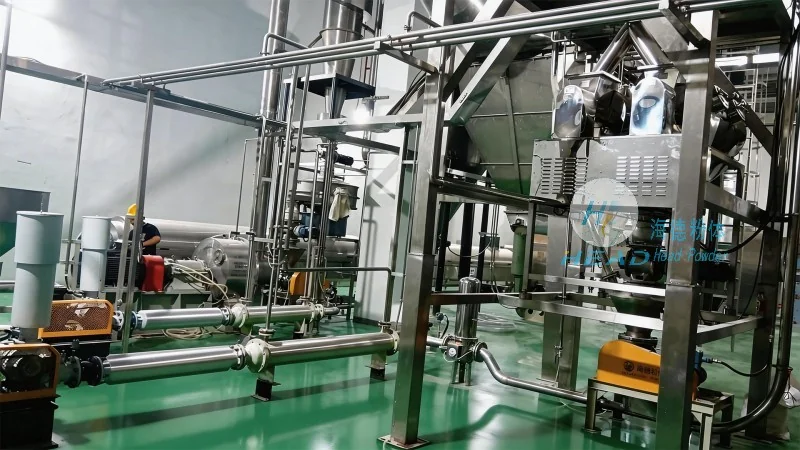
• Compressor or Vacuum Pump: For positive pressure systems, a compressor provides the necessary air pressure. For negative pressure systems, a vacuum pump creates the suction. The capacity and pressure rating of the compressor or pump must match the system's requirements to ensure efficient material transport.
• Conveying Air Ducts: These are used to distribute the air to the loading and discharge points, ensuring that the air flow is uniform and that the material is properly mixed with the air.
• Discharge Hopper and Control Valves: The discharge hopper collects the material from the pipeline and may include control valves to regulate the material flow to downstream processes or storage areas.
Application Scenarios in the Construction and Mining Industries
Pneumatic conveying of sand and gravel finds extensive application in the construction and mining sectors. In construction projects, these systems are used to transport sand and gravel from storage silos to mixing plants, concrete batchers, or on-site storage areas. The ability to convey materials without the need for mechanical components reduces maintenance and operational costs. In mining operations, pneumatic conveying is employed to transport crushed rock and gravel from processing plants to storage facilities or for further processing. The technology is particularly advantageous in remote mining sites where traditional conveyor belts may be impractical due to terrain or space constraints.
Advantages of Pneumatic Conveying for Sand and Gravel
Compared to traditional mechanical conveying methods, pneumatic conveying offers several advantages for handling sand and gravel:
• Reduced Maintenance: Since there are no moving parts in the pipeline, the system requires less maintenance and has a longer service life.
• Lower Capital Costs: The initial investment for pneumatic conveying systems is often lower than that for belt conveyors or other mechanical systems, especially for short to medium conveying distances.
• Flexibility in Layout: Pneumatic systems can be easily reconfigured to accommodate changes in the layout of the facility or to add new discharge points without major modifications.
• Improved Dust Control: The enclosed nature of the system helps to contain dust, which is beneficial for both environmental compliance and worker safety.
• Efficient Material Handling: The system can handle a wide range of material sizes and shapes, including fine sand and coarse gravel, with consistent performance.
Conclusion
HeadPowder Engineering Co., Ltd., with its headquarters in Shandong, China, provides comprehensive solutions for pneumatic conveying of sand and gravel. By understanding the working principles and classification applications of these systems, industries can optimize their material handling processes, reduce costs, and enhance operational efficiency. The company's expertise in designing and implementing tailored pneumatic conveying systems ensures that clients receive solutions that meet their specific operational needs and material handling requirements.