

Principle and Classification Application of Abrasive Sand Pneumatic Conveying
Understanding the fundamental mechanisms and diverse applications of abrasive sand pneumatic conveying is crucial for industries dealing with high-abrasion materials. This article provides an in-depth exploration of the working principles, classification methods, and practical implementations of abrasive sand pneumatic conveying systems, presented by Shandong HeadPowder Engineering Co., Ltd., a leading provider in the field based in Shandong, China.
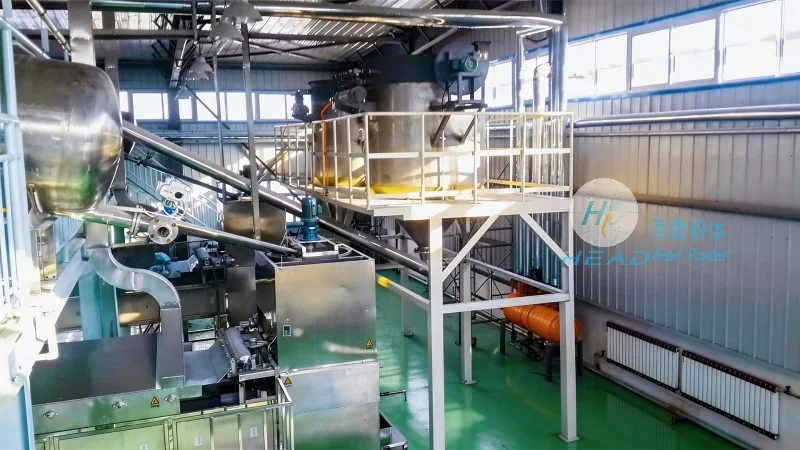
The Working Principle of Abrasive Sand Pneumatic Conveying
Abrasive sand pneumatic conveying operates on the principle of transporting solid particles, such as abrasive sand, through a pipeline using a gas stream, typically air or a mixture of air and other gases. The process involves several key components and steps that ensure efficient and reliable material transport. At the core of the system is a material hopper or feeder, which holds the abrasive sand and regulates the flow rate. A rotary valve or feeder is often used to control the discharge of the material into the conveying line. The material then enters a pipeline where it is mixed with the gas stream. The gas, usually under pressure, propels the abrasive sand particles forward through the pipeline. The velocity of the gas must be sufficient to overcome the gravitational force acting on the particles and any frictional losses within the pipeline. This ensures that the abrasive sand remains suspended and moves along the pipeline without settling or clogging. The system typically includes a receiver or discharge hopper at the end of the pipeline, where the material is collected after the gas has been separated from the solid particles. The separation of gas and solid is achieved through various methods, such as cyclone separators, filters, or other dedusting equipment. The separated gas may be recirculated back into the system to improve energy efficiency, while the abrasive sand is collected for further processing or use.
Classification of Abrasive Sand Pneumatic Conveying Systems
Abrasive sand pneumatic conveying systems can be classified based on several factors, including the type of gas flow, the pressure level, and the method of material transport. The primary classifications are pressure conveying and vacuum conveying, each with distinct characteristics and applications.
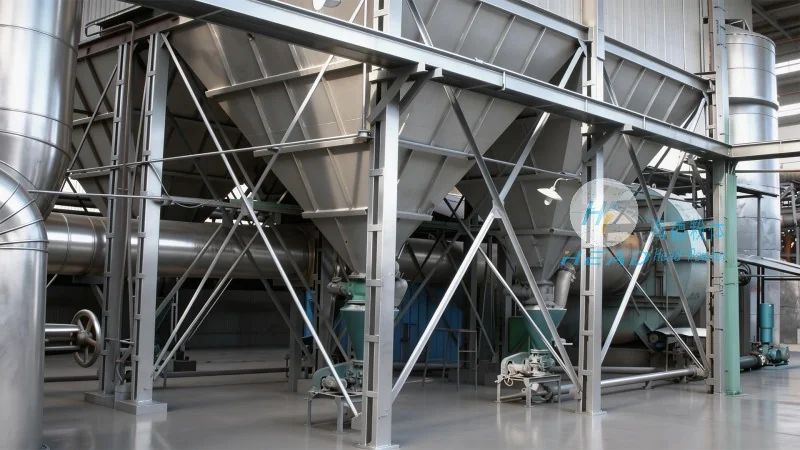
Pressure conveying systems operate by supplying air or gas under pressure at the material inlet. The gas is introduced into the pipeline at a high velocity, creating a positive pressure that pushes the abrasive sand particles forward. This method is suitable for long-distance transport and high-capacity applications. The pressure is maintained throughout the conveying line, ensuring consistent material flow. Pressure conveying systems are commonly used in industries where the abrasive sand needs to be transported over significant distances or through complex piping networks. The system typically includes a blower or compressor that generates the necessary pressure, and the material is fed into the pipeline at the inlet. The pressure level can vary depending on the application, with higher pressures used for longer distances or more challenging conditions.
Vacuum conveying systems, on the other hand, operate by creating a negative pressure at the material inlet. The gas is drawn into the pipeline by a vacuum pump, and the abrasive sand particles are pulled along with the gas stream. This method is ideal for short-distance transport and for materials that are difficult to handle with pressure systems, such as those with high moisture content or fine particles. The vacuum is maintained throughout the conveying line, and the material is collected at the inlet hopper. Vacuum conveying systems are often used in applications where the abrasive sand needs to be transported from a lower elevation to a higher one, or where the material is sensitive to pressure changes. The vacuum level is controlled by the pump, and the system can be adjusted to handle different types of abrasive sand with varying properties.
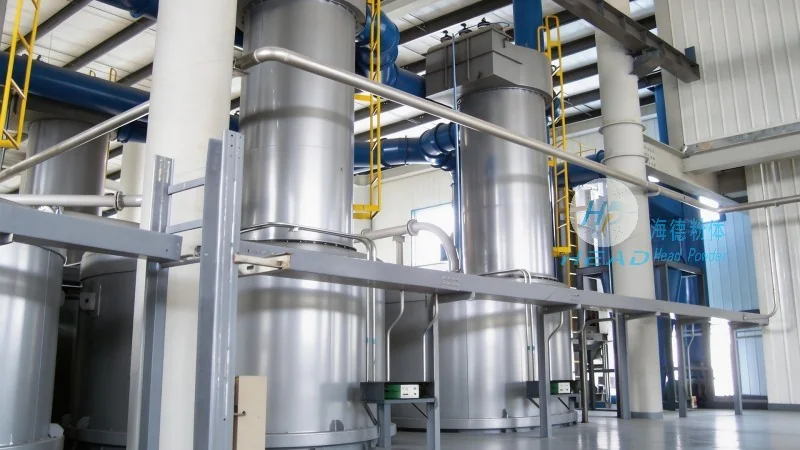
Another classification is based on the gas flow direction, which can be either positive or negative. Positive gas flow systems use a forward-moving gas stream to transport the abrasive sand, while negative gas flow systems use a reverse-moving gas stream to pull the material. The choice between positive and negative flow depends on the specific requirements of the application, such as the distance, the material properties, and the system layout. Positive flow systems are generally more efficient for long-distance transport, while negative flow systems are better suited for short-distance or vertical transport.
Additionally, abrasive sand pneumatic conveying systems can be classified based on the type of material handling equipment used. For example, some systems use a rotary valve or feeder to control the material flow, while others use a screw conveyor or a belt conveyor. The choice of equipment depends on the characteristics of the abrasive sand, such as its size, shape, and moisture content. Rotary valves are commonly used for fine or powdery materials, while screw conveyors are suitable for larger or bulkier particles. The selection of the appropriate equipment ensures that the abrasive sand is transported efficiently and without damage or degradation.