

Principle and Classification Application of Stone Gas-Pneumatic Conveying
Gas-pneumatic conveying of stones is a critical process in material handling, particularly in industries dealing with bulk solid materials such as aggregates, gravel, and crushed stone. This method utilizes air or gas to transport solid particles through a pipeline system, offering an efficient alternative to traditional mechanical conveying methods. The technology has evolved significantly over the years, with advancements in design and control systems enhancing its reliability and performance. Understanding the underlying principles and various classifications of stone gas-pneumatic conveying is essential for selecting the appropriate system for specific industrial applications.
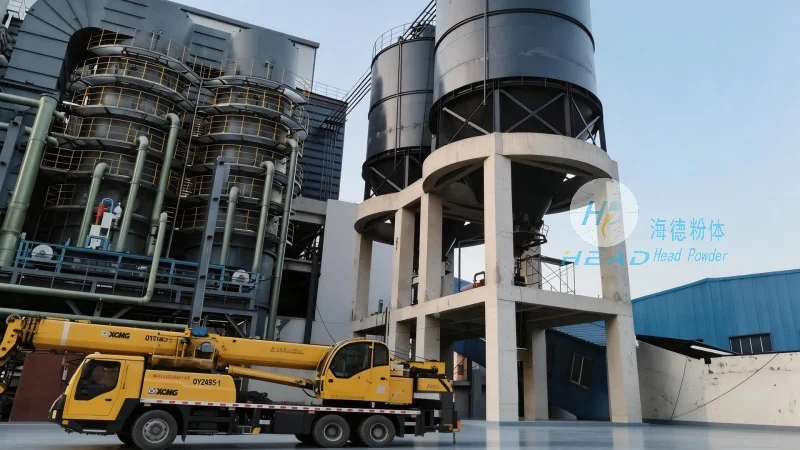
Working Principle of Stone Gas-Pneumatic Conveying
The core mechanism of stone gas-pneumatic conveying involves the use of a pressurized air stream to move solid particles through a pipeline. The process typically operates under positive pressure, where air is forced through the conveying line, carrying the stone particles along with it. Key components of a typical system include a blower or compressor to generate the air pressure, a hopper or feeder to introduce the stone material, a pipeline network, and a receiver or discharge point. The air velocity within the pipeline must be sufficient to overcome the gravitational and frictional forces acting on the particles, ensuring stable and continuous transport. The principle of fluidization is often applied, where the air flow creates a suspension of particles, allowing them to move freely through the system. This method is particularly effective for materials with low to moderate density and particle size, as it minimizes wear on equipment and reduces the risk of blockages compared to mechanical systems.
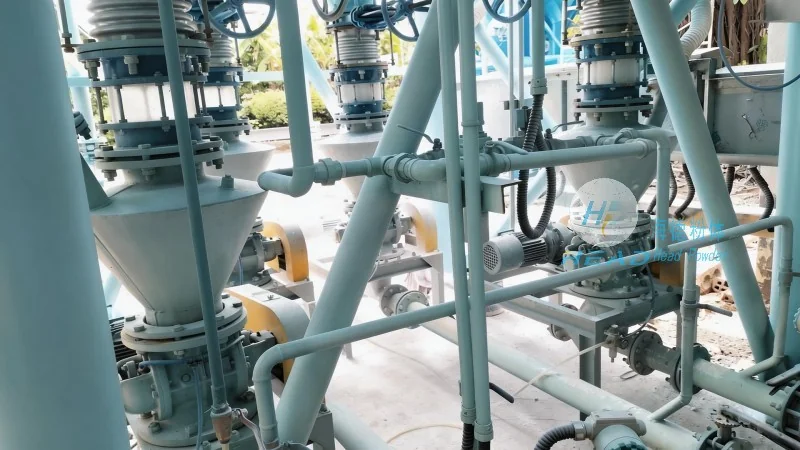
Classification and Application of Stone Gas-Pneumatic Conveying Systems
Stone gas-pneumatic conveying systems can be classified based on several factors, including the type of air flow, the method of material introduction, and the system configuration. The primary classifications include: positive pressure systems, where air is supplied under pressure from a blower; negative pressure (or vacuum) systems, which use a vacuum to draw material into the pipeline; and combined systems that use both positive and negative pressure for different stages of the conveying process. Each classification has distinct advantages and is suitable for different operational requirements. For instance, positive pressure systems are commonly used for long-distance and high-capacity conveying, as they can maintain consistent air pressure and particle suspension. Negative pressure systems are often employed for short-distance or indoor applications where dust control is a priority, as they can effectively capture and contain airborne particles. The choice of system classification depends on factors such as the distance between the source and destination, the volume of material to be transported, and the need for dust suppression.
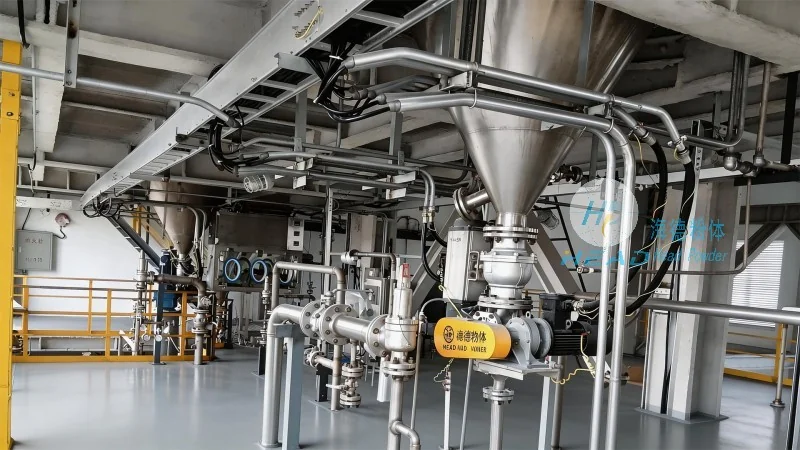
Applications in Various Industries
Stone gas-pneumatic conveying is widely utilized across multiple industries due to its versatility and efficiency. In the construction industry, it is commonly used to transport aggregates, sand, and gravel from stockpiles to processing plants or construction sites. The technology ensures a continuous supply of materials, reducing downtime and improving productivity. In the mining sector, it is employed to move crushed stone and ore from mining sites to processing facilities, where the material is further refined. The system's ability to handle abrasive materials without significant wear on components makes it ideal for mining applications. Additionally, in the chemical and pharmaceutical industries, stone gas-pneumatic conveying is used to transport raw materials such as limestone or silica, which are often used in the production of chemicals and drugs. The system's ability to maintain a clean and controlled environment is crucial in these industries, as it minimizes contamination and ensures product quality. Other applications include material handling in waste management facilities, where stone and other solid waste are transported for processing or disposal.
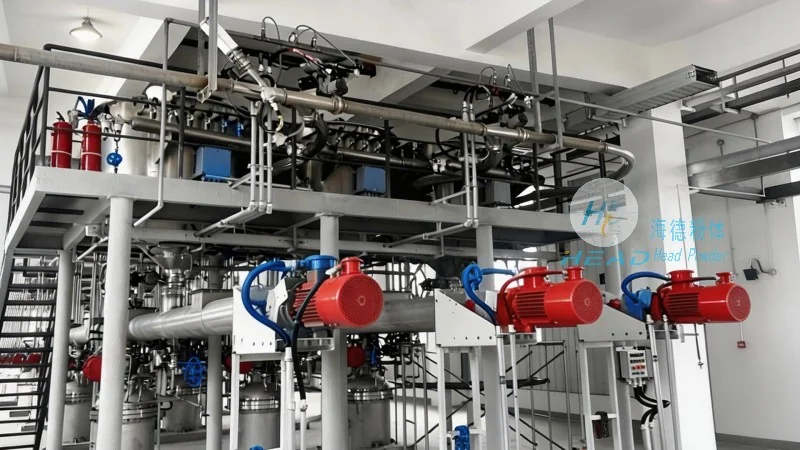
About Shandong HeadPowder Engineering Co., Ltd.
Shandong HeadPowder Engineering Co., Ltd. is a leading provider of gas-pneumatic conveying solutions, specializing in the design, manufacturing, and installation of stone conveying systems. With a strong commitment to quality and innovation, the company has established itself as a trusted partner in the material handling industry. HeadPowder's expertise lies in developing customized solutions tailored to the specific needs of clients, ensuring optimal performance and reliability. The company's facilities are located in Shandong, China, where it leverages advanced technology and skilled engineering teams to deliver high-quality products and services. By focusing on customer satisfaction and continuous improvement, HeadPowder has built a reputation for excellence in the field of stone gas-pneumatic conveying. The company's products are designed to meet international standards and are suitable for a wide range of industrial applications, providing clients with efficient and cost-effective material handling solutions.