

Positive Pressure vs. Negative Pressure for Chicken Essence Conveying: How to Distinguish?
When it comes to the efficient and reliable transportation of chicken essence in industrial settings, the choice between positive pressure and negative pressure conveying systems is a critical decision. Both methods have their unique advantages and are suited to different operational requirements. Understanding the distinctions between these two approaches is essential for optimizing production processes and ensuring product quality. This article provides a detailed analysis of positive and negative pressure conveying for chicken essence, helping you make an informed choice based on your specific needs. As a leading provider of conveying solutions, Shandong HeadPowder Engineering Co., Ltd. specializes in designing and manufacturing systems tailored to the unique demands of the food processing industry, including chicken essence production.
What is Positive Pressure Conveying?
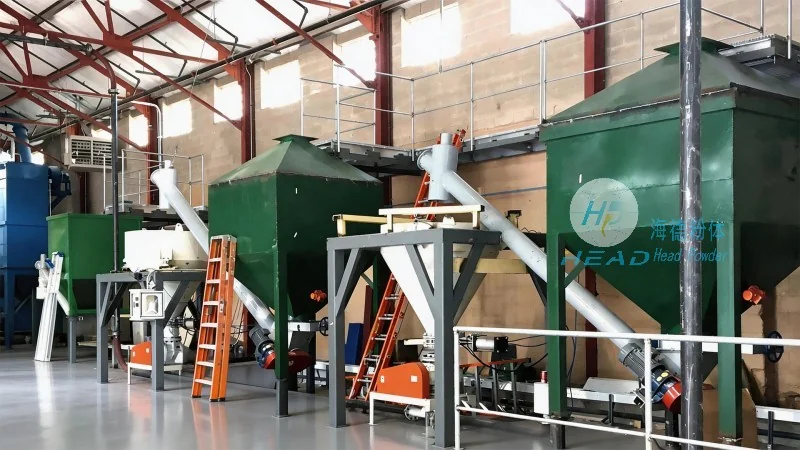
Positive pressure conveying, also known as pressure blow, operates by forcing material through a pipeline using a positive pressure source. In the context of chicken essence, this typically involves a blower or compressor that generates a higher pressure than the ambient air, pushing the product through the system. This method is particularly effective for conveying powders that are light, dusty, or prone to segregation. The positive pressure system ensures that the material is continuously moved forward, preventing clogging and maintaining a consistent flow rate. For chicken essence, which often contains fine particles and may have varying moisture content, positive pressure conveying can help maintain product integrity by minimizing exposure to air and reducing the risk of oxidation or degradation.
Key Features of Positive Pressure Conveying for Chicken Essence
Positive pressure conveying systems for chicken essence are designed to handle materials with specific characteristics. These systems often include a hopper or storage silo where the chicken essence is stored, a rotary valve or feeder to control the flow rate, and a pipeline network that transports the product to the processing or packaging area. The blower or compressor provides the necessary pressure to move the material, and the system may include filters or cyclones to separate any fines or contaminants. This approach is ideal for applications where the conveying distance is moderate to long, and where the material needs to be delivered to multiple points of use. The positive pressure system also allows for easy integration with other processing equipment, such as mixers or reactors, as the material can be delivered under pressure directly to these units.
How to Distinguish Positive Pressure from Negative Pressure Conveying?
The primary distinction between positive and negative pressure conveying lies in the pressure differential within the system. Positive pressure systems maintain a pressure higher than the ambient air, while negative pressure systems operate at a pressure lower than the ambient air. In positive pressure, the material is pushed through the pipeline, whereas in negative pressure, the material is pulled by the vacuum created in the system. For chicken essence, the choice depends on factors such as the material's density, moisture content, and the need to prevent contamination or oxidation. Positive pressure is generally preferred for materials that are light and dusty, as it provides a consistent flow and prevents material from settling in the pipeline. Negative pressure, on the other hand, is suitable for materials that are heavier or more cohesive, as it can handle higher volumes and reduce the risk of blockages.
What is Negative Pressure Conveying?
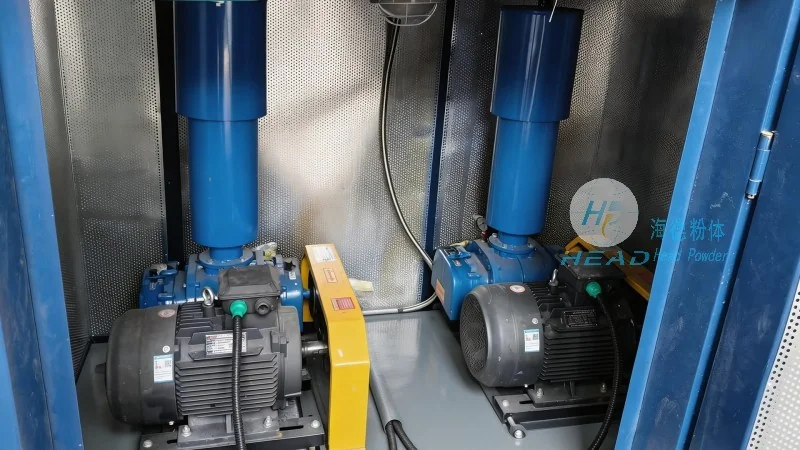
Negative pressure conveying, also known as vacuum suction, operates by creating a vacuum in the pipeline, which draws the material from the source into the system. This method is commonly used for conveying materials that are heavy, cohesive, or prone to clogging. In the case of chicken essence, negative pressure conveying may be employed when the material is more viscous or contains larger particles that are difficult to move with positive pressure. The vacuum system typically includes a fan or vacuum pump that creates the low pressure, and the material is drawn through the pipeline by the pressure difference. This approach is effective for short to medium conveying distances and for applications where the material needs to be collected from multiple points and delivered to a central processing unit.
Key Features of Negative Pressure Conveying for Chicken Essence
Negative pressure conveying systems for chicken essence are designed to handle materials with higher density and cohesiveness. These systems often include a hopper or collection bin where the chicken essence is stored, a rotary valve or feeder to control the flow rate, and a pipeline network that transports the product to the processing area. The vacuum pump provides the necessary suction to move the material, and the system may include filters or cyclones to remove any fines or contaminants. This method is particularly useful for applications where the material is being transferred from a silo or storage tank to a processing line, as it can handle the material without the need for high pressure. The negative pressure system also allows for gentle handling of the material, reducing the risk of breakage or degradation, which is important for maintaining the quality of chicken essence.
How to Distinguish Negative Pressure from Positive Pressure Conveying?
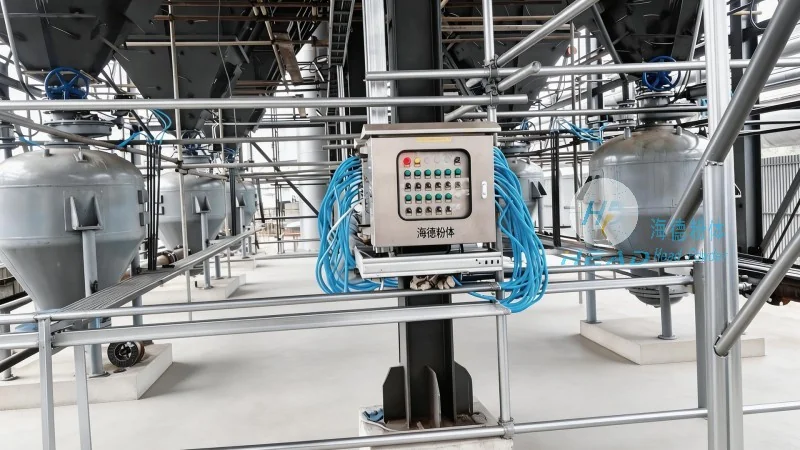
The key difference between negative and positive pressure conveying is the direction of material movement and the pressure differential. Negative pressure systems rely on suction to draw material into the pipeline, while positive pressure systems use pressure to push material through. For chicken essence, the choice between the two methods depends on the material's physical properties and the operational requirements. Positive pressure is better suited for light, dusty materials that require consistent flow and minimal clogging, whereas negative pressure is more appropriate for heavier, cohesive materials that need to be handled gently and without the risk of blockages. Additionally, the cost and maintenance requirements of each system should be considered, as positive pressure systems may require more robust components to handle higher pressures, while negative pressure systems may need more powerful vacuum pumps.
Factors to Consider When Choosing Between Positive and Negative Pressure Conveying for Chicken Essence
When deciding between positive and negative pressure conveying for chicken essence, several factors must be taken into account. The first is the material's physical characteristics, such as density, particle size, and moisture content. Lighter, more dusty materials are better suited for positive pressure, while heavier, more cohesive materials are better handled by negative pressure. The second factor is the conveying distance and layout of the system. Positive pressure is generally more effective for longer distances, as it can maintain a consistent pressure and flow rate. Negative pressure is more suitable for shorter distances and for applications where the material needs to be collected from multiple points. The third factor is the need to prevent contamination or oxidation. Positive pressure systems can help maintain product integrity by minimizing exposure to air, while negative pressure systems may require additional measures to prevent contamination. Finally, the cost and maintenance requirements of each system should be considered, as positive pressure systems may have higher initial costs but lower maintenance, while negative pressure systems may have lower initial costs but higher maintenance.
Conclusion
Choosing between positive pressure and negative pressure conveying for chicken essence requires a careful evaluation of the material's properties, operational requirements, and system constraints. Positive pressure conveying is ideal for light, dusty materials that need consistent flow and minimal clogging, while negative pressure conveying is better suited for heavier, cohesive materials that require gentle handling and reduced risk of blockages. By understanding the distinctions between these two methods and considering the specific needs of your application, you can select the most appropriate conveying system to ensure efficient and reliable transportation of chicken essence. Whether you choose positive or negative pressure, the goal is to maintain product quality, minimize downtime, and optimize production processes. With the right system in place, you can enhance the overall efficiency of your chicken essence production and meet the demands of the market. Shandong HeadPowder Engineering Co., Ltd. offers tailored conveying solutions that address these considerations, ensuring that your chicken essence production process is both effective and reliable.