

Choosing Between Positive and Negative Pressure for PVC Powder Conveying: How to Distinguish?
When it comes to transporting PVC powder, selecting the right conveying method is crucial for efficiency, safety, and cost-effectiveness. Two primary approaches are widely used in the industry: positive pressure conveying and negative pressure conveying. Each method has its own set of advantages and limitations, and understanding how to distinguish between them is essential for making an informed decision. This article will explore the key characteristics of both positive and negative pressure systems, helping you evaluate which option best suits your specific needs.
Positive Pressure Conveying: How It Works and Its Key Features
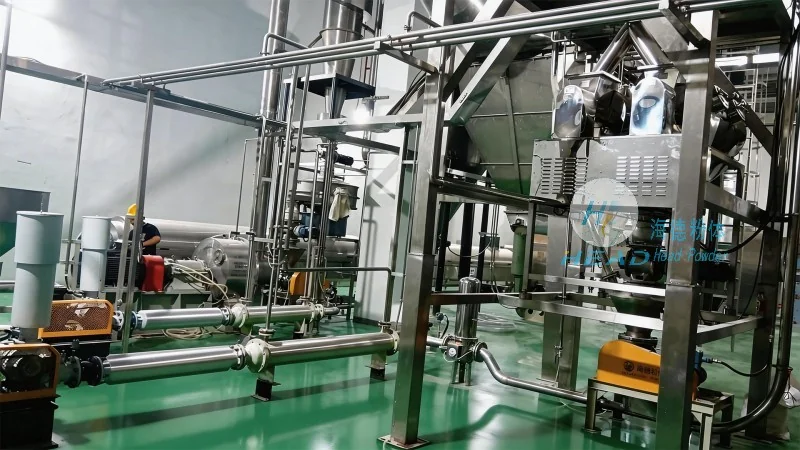
Positive pressure conveying, also known as pressure or blow-through conveying, operates by forcing air or gas through the material to be transported. In this system, a positive pressure is maintained within the conveying line, pushing the material forward. This method is particularly effective for conveying materials that are prone to caking or bridging, as the constant pressure helps prevent blockages. The system typically includes a blower or compressor that generates the necessary pressure, and the material is carried in a sealed pipeline. The primary advantage of positive pressure conveying is its ability to handle abrasive or corrosive materials without causing excessive wear on the equipment. Additionally, it is well-suited for long-distance conveying and can handle a wide range of material types, including powders, granules, and even small particles. However, one of the main drawbacks is the potential for dust emissions if the system is not properly sealed, as the high pressure can cause particles to escape from the line. This makes it essential to implement effective dust control measures, such as filters and enclosures, to ensure compliance with environmental regulations.
Negative Pressure Conveying: The Alternative Approach
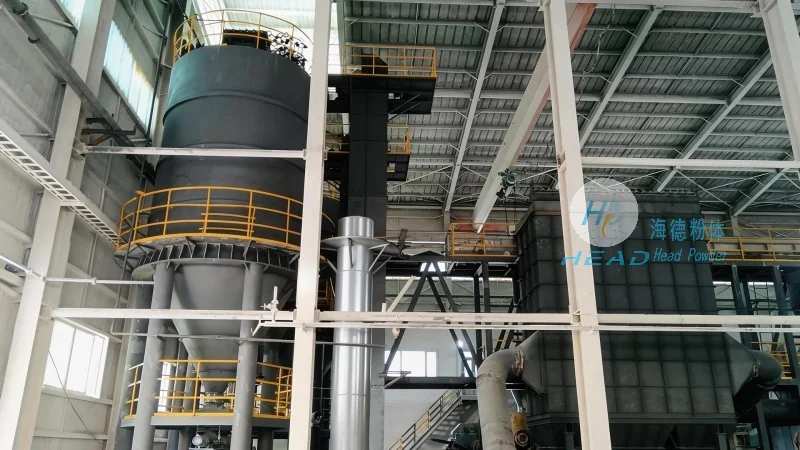
Negative pressure conveying, also known as vacuum or draw-through conveying, works by creating a vacuum in the conveying line, which draws the material into the system. In this method, a vacuum pump or fan is used to reduce the pressure inside the line, causing the material to be pulled from the source and transported to the destination. Unlike positive pressure systems, negative pressure conveying does not require a high-pressure blower, making it more energy-efficient for certain applications. This method is often preferred for short to medium-distance conveying and is particularly effective for handling fine powders that are sensitive to pressure changes. The main advantage of negative pressure conveying is its lower energy consumption and reduced risk of dust leakage, as the system operates under a vacuum rather than pressure. However, it may not be as effective for materials that are prone to clogging or for long-distance transport, as the vacuum can sometimes lead to material degradation or loss of product quality. Additionally, the system may require more maintenance due to the presence of moving parts and the need to manage the vacuum levels carefully.
Distinguishing Between Positive and Negative Pressure Systems: Key Factors to Consider
When deciding between positive and negative pressure conveying for PVC powder, several factors should be considered to ensure the best choice for your operation. First, the distance of the conveying line is a critical factor. Positive pressure systems are generally more suitable for longer distances, as they can maintain sufficient pressure over extended lengths without significant loss. In contrast, negative pressure systems are better suited for shorter distances, as the vacuum may not be strong enough to pull material over long distances without excessive energy consumption. Second, the nature of the material being conveyed plays a significant role. If the PVC powder is prone to caking or has a high moisture content, positive pressure conveying may be preferred due to its ability to maintain flow and prevent blockages. Conversely, if the powder is fine and sensitive, negative pressure conveying might be more appropriate to avoid pressure-related degradation. Third, the environmental and safety considerations are important. Positive pressure systems require robust dust control measures to prevent emissions, while negative pressure systems are generally safer in terms of dust leakage but may require more careful handling of the vacuum system. Finally, the cost and energy efficiency of each system should be evaluated. Positive pressure systems may have higher energy costs due to the need for high-pressure blowers, while negative pressure systems can be more energy-efficient but may have higher maintenance costs due to the vacuum pump and associated components.

Conclusion: Making the Right Choice for Your PVC Powder Conveying Needs
Choosing between positive and negative pressure conveying for PVC powder requires a careful assessment of your specific operational requirements, material characteristics, and environmental constraints. Positive pressure systems offer robustness and effectiveness for long-distance and abrasive materials, while negative pressure systems provide energy efficiency and lower dust emissions for shorter distances and fine powders. By understanding the key differences and considering the factors outlined above, you can select the most suitable conveying method to ensure efficient, safe, and cost-effective operation. Whether you are a new user or looking to upgrade your existing system, the information provided here will help you make an informed decision that aligns with your business goals.