

Design Considerations for Epoxy Resin Pneumatic Conveying Systems
When designing a pneumatic conveying system for epoxy resin, several critical factors must be considered to ensure efficiency, reliability, and longevity. The system's performance is directly influenced by the choice of components, material handling characteristics, and operational parameters. This article outlines key design considerations that professionals in the field should address when developing such systems.
System Selection and Material Properties
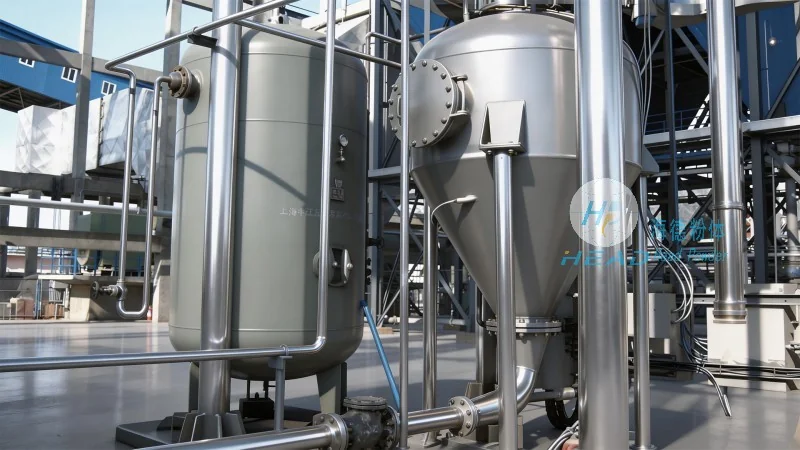
Choosing the appropriate pneumatic conveying system type is the first step in successful epoxy resin handling. The primary system types include dilute-phase, dense-phase, and pressure/venturi systems. Each has distinct advantages and is suited to different material characteristics and process requirements. For epoxy resin, which often has a high bulk density and may be abrasive or sensitive to moisture, a dense-phase system is frequently preferred. This system operates at lower velocities, reducing wear on equipment and minimizing product degradation. Shandong HeadPowder Engineering Co., Ltd., a leading provider in the industry, emphasizes the importance of matching system design to the specific physical and chemical properties of the resin, such as particle size distribution, moisture content, and flowability.
Pipeline Design and Material Compatibility
Pipeline design is a critical aspect of system performance. The choice of pipe material must withstand the chemical and mechanical stresses of epoxy resin. Common materials include stainless steel, polyethylene, and specialized coatings. Stainless steel is preferred for its corrosion resistance and durability, especially when handling resins that may contain solvents or have aggressive chemical properties. The pipeline layout should be designed to minimize bends and changes in direction, as these can cause pressure drops and particle separation. Properly sized pipelines are essential to maintain consistent flow rates and prevent blockages. Shandong HeadPowder Engineering Co., Ltd., with its extensive experience, advises on the use of smooth, internal surfaces to reduce friction and ensure uniform material transport.
Pressure Control and Flow Management
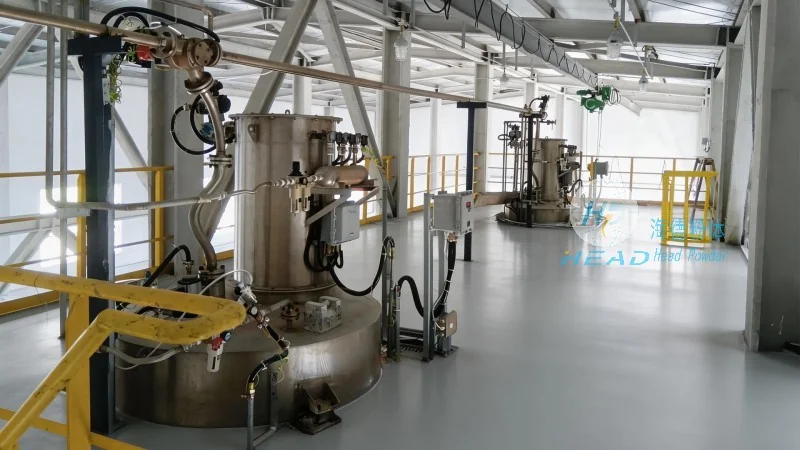
Effective pressure control is vital for maintaining consistent material flow in pneumatic conveying systems. The system must be equipped with pressure regulators, valves, and sensors to monitor and adjust air pressure as needed. This ensures that the conveying velocity remains within optimal ranges, preventing both excessive wear and insufficient material transport. For epoxy resin, which can be sensitive to high velocities, precise control is essential to avoid degradation or caking. The use of air filters and moisture separators is also recommended to maintain air quality and prevent contamination of the resin. Shandong HeadPowder Engineering Co., Ltd. specializes in customizing pressure control systems to meet the unique demands of each application, ensuring stable and efficient operation.
Equipment Selection and Maintenance
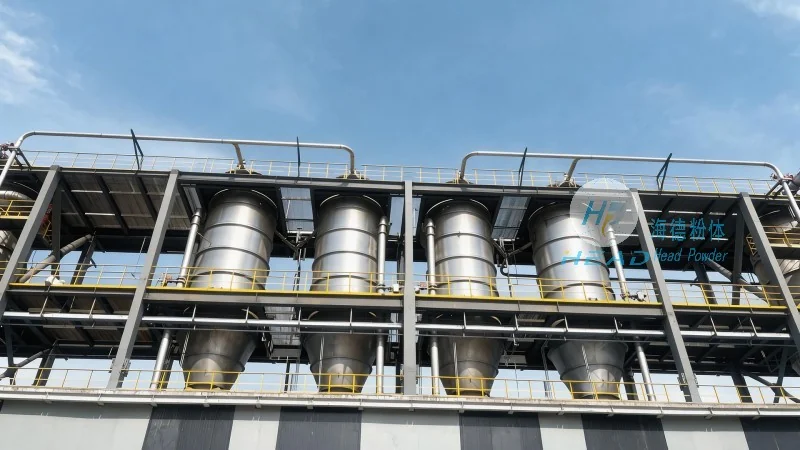
The selection of components such as blowers, cyclones, and material feeders directly impacts system performance. High-quality, industrial-grade equipment is essential to handle the demands of epoxy resin. Blowers should be capable of delivering sufficient air volume and pressure while operating efficiently. Cyclones are used for separation and material recovery, and their design must be optimized for the resin's particle size and density. Regular maintenance is crucial to prevent system failures and ensure long-term reliability. This includes cleaning filters, inspecting for wear, and replacing worn parts promptly. Shandong HeadPowder Engineering Co., Ltd. offers comprehensive maintenance services and spare parts to support their clients, ensuring that systems remain in optimal condition.
Environmental and Safety Considerations
Designing a pneumatic conveying system for epoxy resin must also address environmental and safety concerns. Proper ventilation is necessary to remove dust and fumes, and the system should be equipped with safety features such as pressure relief valves and emergency shut-off mechanisms. Compliance with local regulations regarding air quality and material handling is essential. Shandong HeadPowder Engineering Co., Ltd., based in Shandong, China, adheres to strict safety and environmental standards, ensuring that their systems meet or exceed industry requirements.