

Pulverized Coal Pneumatic Conveying Technology: Principles, Applications, and Development Trends
HeadPowder, a leading provider in the field, specializes in advanced solutions for the efficient handling of pulverized coal through pneumatic conveying systems. This article explores the fundamental principles, practical applications, and emerging trends in this critical industrial technology.
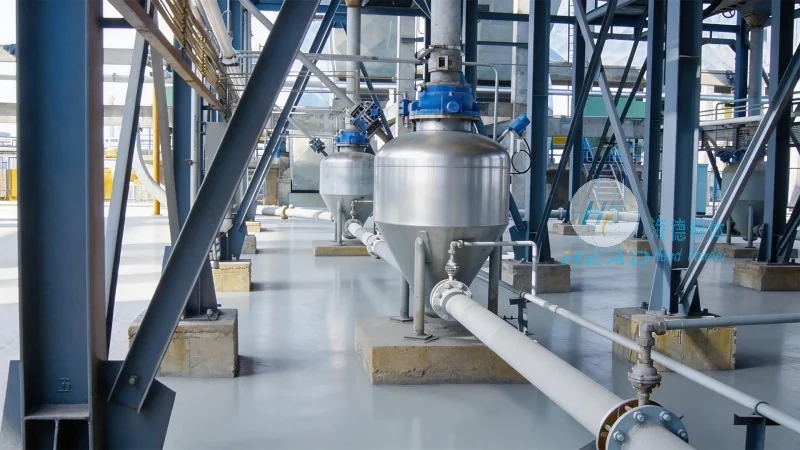
Principles of Pneumatic Conveying for Pulverized Coal
The core principle of pneumatic conveying involves transporting bulk materials, such as pulverized coal, using a stream of air or gas. This method eliminates the need for mechanical components like conveyor belts or buckets, offering a flexible and efficient alternative for material transport. Two primary modes exist: aspiration (or suction) conveying and pressure (or positive) conveying. Aspiration systems draw material from a source using a vacuum, while pressure systems push material through a pipeline using compressed air. The choice between these modes depends on factors like the distance, material characteristics, and system complexity. Key components in a typical pneumatic conveying system include a material feed hopper, a conveying pipeline, a gas source (e.g., a blower or compressor), and a control system to regulate flow and pressure.
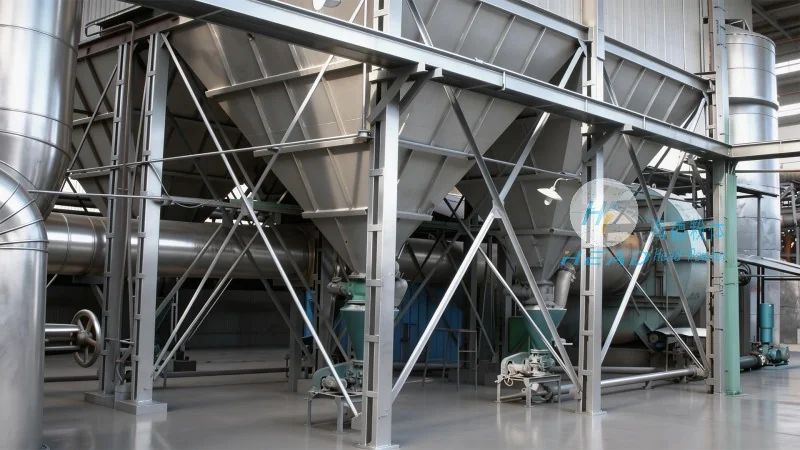
Applications in Industrial Settings
Pulverized coal pneumatic conveying technology is widely utilized across various industrial sectors, particularly in power generation and metallurgy. In power plants, it enables the reliable transport of coal from storage facilities to boilers, ensuring a continuous fuel supply for combustion. The technology is also essential in steel mills, where it facilitates the delivery of coal to sintering and coking processes. Additionally, in chemical and cement industries, pneumatic conveying is used for transporting raw materials like limestone and clinker, enhancing operational efficiency and reducing material handling costs. The ability to handle fine, dusty materials without spillage or contamination makes this technology indispensable in environments where material integrity is critical.
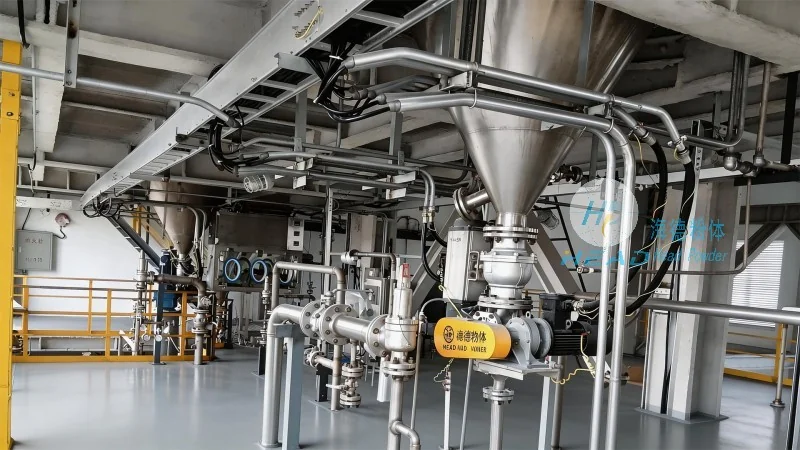
Key Advantages and Challenges
Compared to traditional mechanical conveying methods, pneumatic conveying offers several advantages. It reduces the risk of material degradation due to minimal contact with equipment, minimizes labor costs by automating the transport process, and allows for flexible system design that can adapt to changing production needs. However, challenges remain, including the need for robust filtration systems to manage dust emissions, the potential for system blockages caused by material agglomeration, and the higher energy consumption associated with compressed air. Advanced materials and design innovations, such as self-cleaning filters and anti-clogging valves, are being developed to mitigate these issues and improve system reliability.
Emerging Trends and Technological Innovations
Recent advancements in pneumatic conveying technology focus on enhancing efficiency, safety, and sustainability. One notable trend is the integration of automation and control systems, which enable real-time monitoring of flow rates, pressure, and material levels. This data-driven approach allows for predictive maintenance, reducing downtime and optimizing energy usage. Another development is the use of high-efficiency blower technologies, such as variable frequency drives (VFDs), which adjust air pressure dynamically based on demand, leading to significant energy savings. Furthermore, the adoption of green technologies, including the use of recycled air or alternative gas sources, is gaining traction to reduce environmental impact. These innovations reflect the industry's commitment to sustainable practices while maintaining operational excellence.
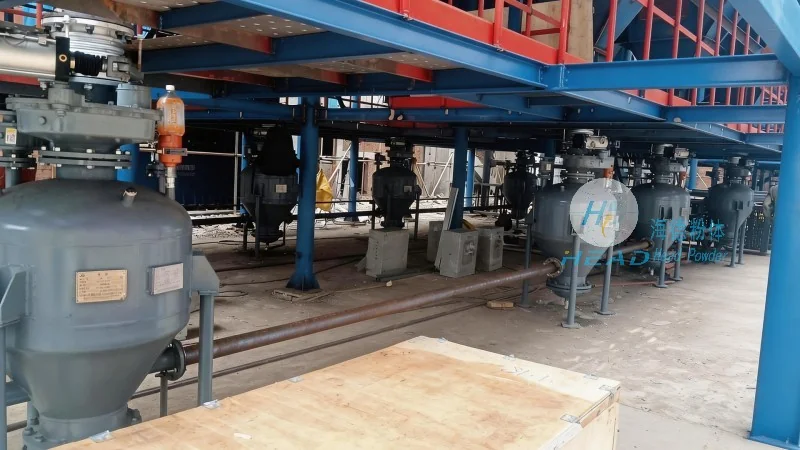
Conclusion and Future Outlook
As industrial demands for efficient material handling continue to grow, pneumatic conveying technology remains a cornerstone of modern operations. The expertise of companies like Shandong HeadPowder Engineering Co., Ltd., based in China, plays a vital role in advancing these systems through tailored solutions and continuous innovation. By addressing the challenges of dust management, energy efficiency, and system reliability, the technology is poised to meet the evolving needs of industries worldwide. The future of pneumatic conveying for pulverized coal lies in its integration with smart manufacturing and sustainable practices, ensuring its relevance and importance in the global industrial landscape.