

Selecting Between Positive Pressure and Negative Pressure Conveying for Lithium-Ion Battery Electrod
When it comes to handling lithium-ion battery electrode materials, the choice of conveying method is critical. Two primary approaches are widely used: positive pressure conveying and negative pressure conveying. Understanding the differences between these systems is essential for optimizing material transport efficiency, safety, and cost-effectiveness. This article will explore the key factors that influence the selection between positive and negative pressure conveying, as well as practical guidelines for distinguishing between them.
About HeadPowder Engineering
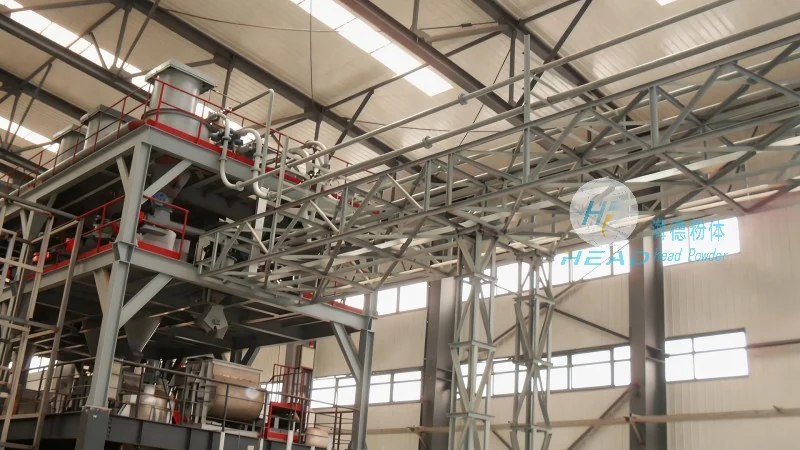
HeadPowder, formally known as Shandong HeadPowder Engineering Co., Ltd., is a leading provider of specialized conveying solutions tailored for the battery materials industry. With a focus on innovation and precision engineering, HeadPowder has developed advanced systems that address the unique challenges of handling lithium-ion battery electrode powders. The company’s expertise lies in designing and manufacturing equipment that ensures reliable, safe, and efficient material transport, supporting the growing demands of the battery manufacturing sector. HeadPowder’s facilities are located in Shandong, China, where the company leverages local resources and industry knowledge to deliver high-quality solutions.
Positive Pressure Conveying: Principles and Applications
Positive pressure conveying, also known as pressure-assisted or pressure-driven conveying, operates by forcing material through a pipeline using compressed air or gas. In this system, the conveying air is under pressure, which pushes the material forward. This method is particularly effective for materials that are prone to caking or agglomeration, as the pressure helps maintain a consistent flow. Positive pressure systems are often used for long-distance transport and can handle a wide range of particle sizes and densities. The primary advantage of positive pressure conveying is its ability to maintain a continuous flow, even when dealing with sticky or cohesive powders. However, it requires a robust air compression system and may generate higher noise levels compared to other methods.
Negative Pressure Conveying: Principles and Applications
Negative pressure conveying, or vacuum-assisted conveying, works by creating a vacuum in the pipeline to draw material from the source. The material is pulled through the system by the pressure differential between the source and the receiver. This approach is well-suited for materials that are lightweight and free-flowing, as the vacuum effectively lifts and transports the powder. Negative pressure systems are generally more energy-efficient for short to medium distances and are less likely to cause dust emissions compared to positive pressure systems. However, they may struggle with materials that are highly cohesive or prone to bridging, as the vacuum may not provide sufficient force to move the material. Additionally, the system requires careful maintenance to prevent air leaks, which could compromise efficiency.
Distinguishing Between Positive and Negative Pressure Conveying
When deciding between positive and negative pressure conveying for lithium-ion battery electrode materials, several key factors must be considered. First, the material properties are paramount. Materials that are sticky, cohesive, or prone to caking are better suited for positive pressure systems, as the pressure helps break down agglomerates and maintain flow. In contrast, free-flowing, non-sticky powders are typically handled more effectively by negative pressure systems, as the vacuum provides sufficient force without causing excessive pressure on the material. Second, the distance and layout of the conveying system play a critical role. Positive pressure systems are ideal for long-distance transport, as they can maintain pressure over extended lengths. Negative pressure systems are more suitable for shorter distances, as the vacuum may weaken over longer runs. Third, safety and environmental considerations are important. Positive pressure systems may generate more dust and require proper filtration, while negative pressure systems are generally cleaner and reduce the risk of dust exposure. Finally, the cost of equipment and operation must be evaluated. Positive pressure systems often require more powerful air compressors and higher maintenance, whereas negative pressure systems may have lower initial costs but could incur higher energy expenses due to the vacuum pump.
Conclusion and Practical Recommendations
Choosing the right conveying method for lithium-ion battery electrode materials requires a careful assessment of material characteristics, system requirements, and operational constraints. Positive pressure conveying offers robustness and reliability for challenging materials, while negative pressure conveying provides efficiency and cleanliness for free-flowing powders. By understanding the principles and applications of each system, manufacturers can select the most appropriate solution to optimize their production processes. HeadPowder Engineering, with its expertise in battery materials handling, can provide tailored conveying solutions that address the specific needs of lithium-ion battery manufacturers. Whether you are dealing with high-purity cathode or anode powders, HeadPowder’s systems are designed to ensure safe, efficient, and cost-effective material transport, supporting the growth of the battery industry.