

Technical Analysis of Dry Gravel Pneumatic Conveying Systems: Comparison of Positive Pressure and Ne
For industries dealing with dry gravel and similar bulk materials, the selection of an appropriate pneumatic conveying system is critical to operational efficiency and cost-effectiveness. This article provides a technical analysis of dry gravel pneumatic conveying systems, focusing on the comparison between positive pressure and negative pressure conveying modes. The discussion is based on the expertise of Shandong HeadPowder Engineering Co., Ltd., a leading provider in the field.
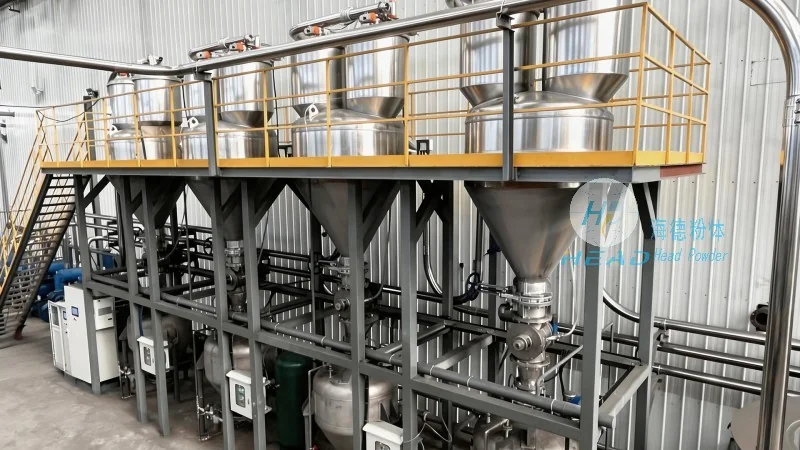
Introduction to Dry Gravel Pneumatic Conveying Systems
Dry gravel, characterized by its granular and abrasive nature, requires specialized handling equipment to ensure safe and efficient transport from source to destination. Pneumatic conveying systems offer a non-contact method of material transport, eliminating the need for mechanical components that could be damaged by the abrasive properties of gravel. These systems utilize air pressure to move materials through pipelines, making them suitable for applications where traditional belt or bucket elevators are not feasible.
Company Profile: Shandong HeadPowder Engineering Co., Ltd.
Shandong HeadPowder Engineering Co., Ltd., commonly known as HeadPowder, is a professional manufacturer and supplier of pneumatic conveying equipment. With a strong presence in China, particularly in Shandong province, the company specializes in designing and manufacturing systems tailored to the unique needs of dry gravel and other bulk material handling industries. HeadPowder's commitment to quality and innovation has established it as a trusted partner for clients seeking reliable and efficient conveying solutions.
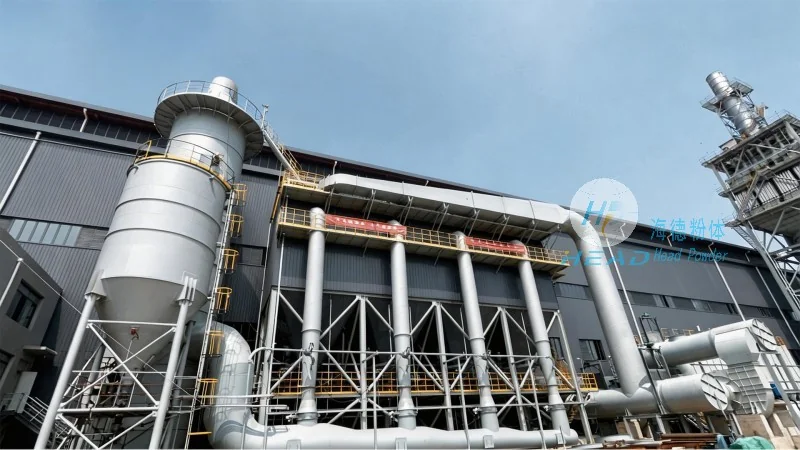
Positive Pressure Conveying Mode
Positive pressure conveying operates by blowing air into the conveying line, creating a pressure higher than the ambient air pressure. This method is particularly effective for conveying dry gravel over long distances or through complex pipeline networks. The system typically includes a blower or compressor at the inlet, which supplies the necessary air pressure to move the material. The positive pressure mode is known for its ability to handle abrasive materials like gravel without causing excessive wear on the equipment. Additionally, it can transport materials at higher velocities, reducing the risk of material settling in the pipeline.
Negative Pressure Conveying Mode
Negative pressure conveying, also known as suction conveying, works by creating a vacuum at the inlet of the conveying line. This method is ideal for applications where the material source is at a higher elevation or where the conveying distance is relatively short. The system uses a vacuum pump to draw the material into the pipeline, and the air flow is directed out of the discharge point. Unlike positive pressure systems, negative pressure conveying is generally more suitable for lighter materials or those that are less abrasive. However, it may require more maintenance due to the higher air velocity and potential for dust accumulation in the suction line.
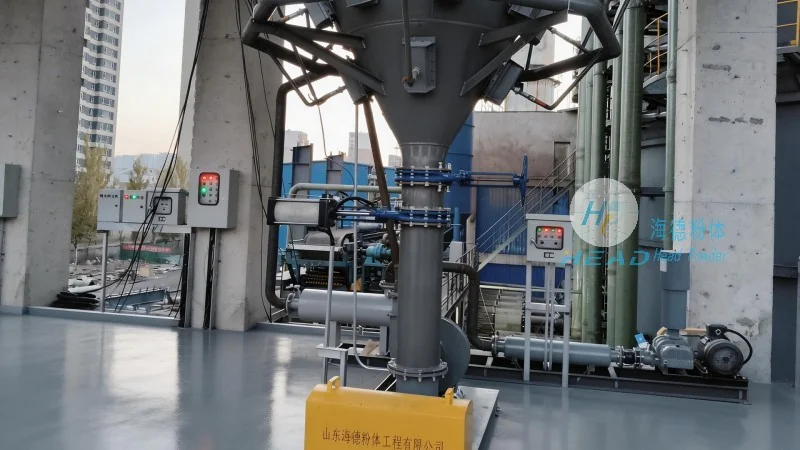
Key Factors in Choosing Between Positive and Negative Pressure Systems
The decision between positive and negative pressure conveying for dry gravel systems depends on several key factors, including the distance of material transport, the nature of the material (e.g., particle size, abrasiveness), and the available space for equipment installation. Positive pressure systems are often preferred for long-distance or high-volume conveying due to their higher efficiency and ability to handle abrasive materials. Negative pressure systems, on the other hand, are more suitable for short-distance conveying or applications where the material source is elevated. The choice also involves considerations of energy consumption, as positive pressure systems may require more power to maintain the air pressure, while negative pressure systems can be more energy-efficient for shorter distances.
Conclusion
In conclusion, the selection of a pneumatic conveying mode for dry gravel systems is a critical decision that impacts operational performance and cost. Positive pressure conveying offers advantages in long-distance and high-volume applications, while negative pressure conveying is better suited for shorter distances or elevated material sources. Shandong HeadPowder Engineering Co., Ltd. provides comprehensive solutions tailored to these requirements, ensuring that clients can choose the most appropriate system for their specific needs. By understanding the technical differences between positive and negative pressure modes, industries can optimize their material handling processes and achieve greater efficiency in their operations.