

Technical Analysis of Concrete Pneumatic Conveying Systems: Comparison of Positive Pressure and Nega
Concrete pneumatic conveying systems are critical in modern construction and material handling, offering efficient solutions for transporting concrete mixtures over long distances without the need for traditional pipelines or heavy machinery. These systems operate by using air pressure to move concrete, which can be delivered in positive pressure or negative pressure modes. Understanding the technical differences between these modes is essential for selecting the most suitable system for specific project requirements.
Positive Pressure Conveying Mode
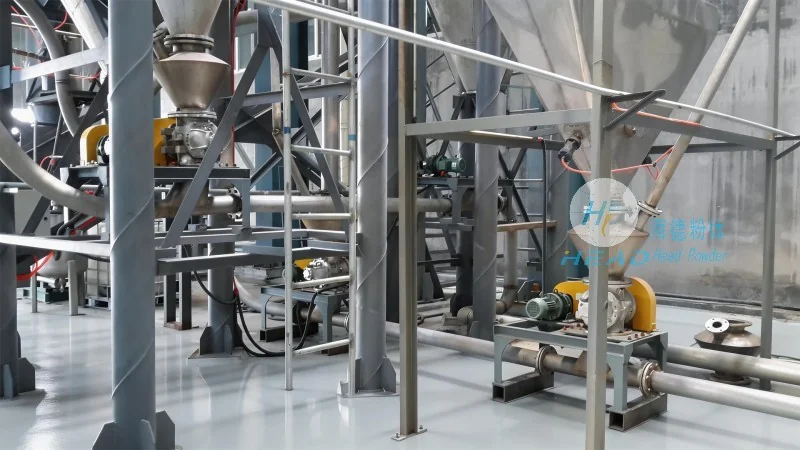
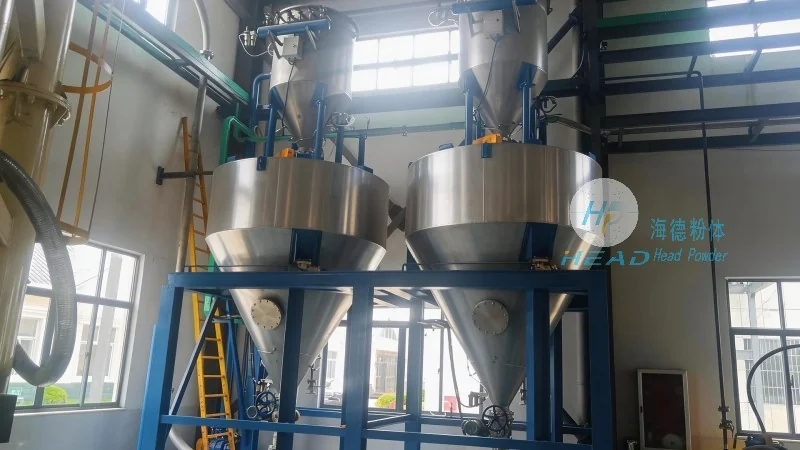
Positive pressure conveying, also known as pressure pneumatic conveying, involves forcing air and concrete mixture through a pipeline using a positive pressure source, typically a blower or compressor. This method ensures that the material is continuously pushed forward, maintaining a consistent flow rate. The system operates by creating a pressure differential between the inlet and outlet, with the pressure at the inlet being higher than atmospheric pressure. This approach is particularly effective for long-distance conveying, as it can maintain the material's integrity and prevent segregation. The positive pressure system is often used in applications where the conveying distance exceeds several hundred meters, and where the need for high flow rates is present. The equipment used in positive pressure conveying includes a positive displacement blower, a hopper for material storage, and a pipeline network with appropriate valves and filters to ensure smooth operation.
Negative Pressure Conveying Mode
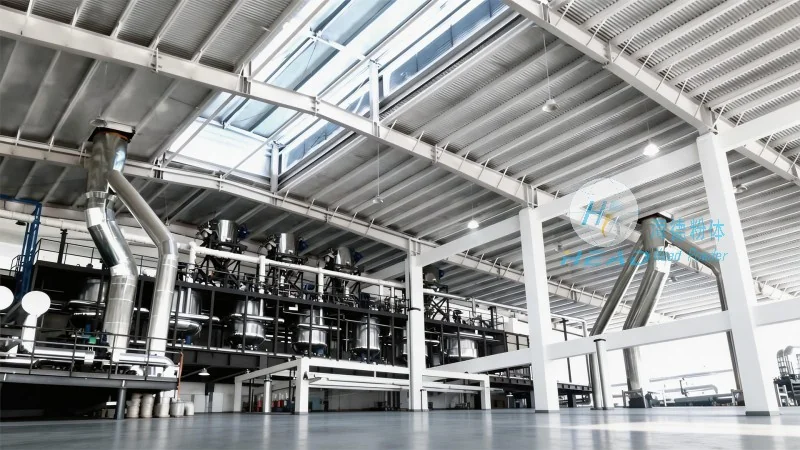
Negative pressure conveying, or vacuum pneumatic conveying, works by creating a vacuum at the inlet of the system, drawing the concrete mixture into the pipeline. This method relies on the pressure difference between the atmospheric pressure and the vacuum created by a vacuum pump. The material is pulled through the pipeline, and the system is designed to handle the material's flow by maintaining a consistent negative pressure. Negative pressure conveying is typically used for shorter distances, generally up to a few hundred meters, and is suitable for applications where the material needs to be transported from a lower elevation to a higher one or where the space constraints require a more compact system. The key components of a negative pressure system include a vacuum pump, a material hopper, a filter to remove dust and debris, and a pipeline with appropriate valves to control the flow. This mode is often preferred in environments where dust control is a priority, as the system can be designed to minimize emissions and maintain a clean working environment.
Comparison of Positive and Negative Pressure Modes
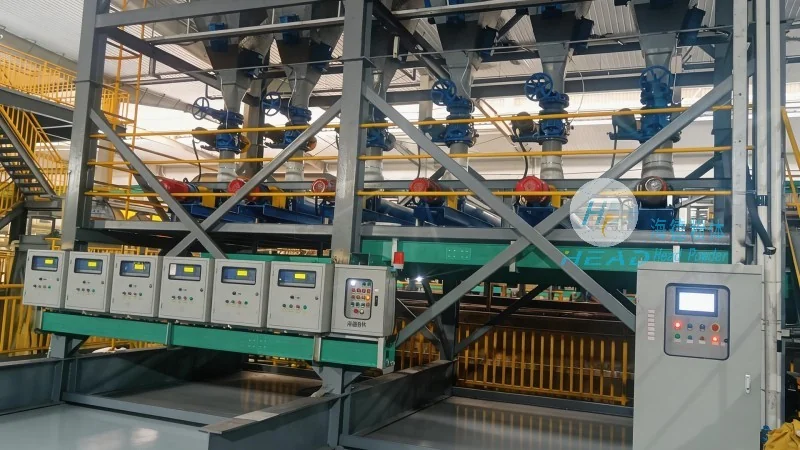
When comparing positive and negative pressure conveying modes, several factors must be considered to determine the optimal choice for a specific application. The most significant difference lies in the pressure differential and the direction of material movement. Positive pressure systems push the material forward, while negative pressure systems pull it. This difference affects the system's efficiency, energy consumption, and the potential for material degradation. Positive pressure systems generally consume more energy due to the continuous pressure maintenance, but they can handle higher flow rates and longer distances. Negative pressure systems are more energy-efficient for shorter distances and can be more cost-effective in applications where the conveying distance is limited. Another critical factor is the material's properties, such as its density, moisture content, and particle size. Positive pressure systems are better suited for materials with higher moisture content or larger particle sizes, as the higher pressure helps maintain the material's consistency. Negative pressure systems are more suitable for materials with lower moisture content and smaller particle sizes, as the vacuum can effectively handle these materials without causing segregation. Additionally, the system's design and maintenance requirements differ between the two modes. Positive pressure systems require regular maintenance of the blower and pipeline to prevent blockages and ensure consistent pressure. Negative pressure systems need regular maintenance of the vacuum pump and filter to maintain the system's efficiency and prevent dust accumulation. The choice between positive and negative pressure modes also depends on the project's budget and operational constraints. Positive pressure systems may have higher initial costs due to the need for a more robust blower and pipeline, but they offer greater flexibility in terms of conveying distance and flow rate. Negative pressure systems have lower initial costs and are easier to install, making them a more cost-effective option for shorter conveying distances. Ultimately, the selection of the appropriate conveying mode depends on a thorough analysis of the project's specific requirements, including the distance, flow rate, material properties, and operational environment.