

Positive Pressure and Negative Pressure Dust Conveying: A Comparative Analysis of Two Pneumatic Conv
HeadPowder, a leading provider of engineering solutions for material handling, offers insights into the two primary methods of pneumatic conveying for dust and powder transport: positive pressure and negative pressure systems. This analysis explores the fundamental principles, operational characteristics, and practical applications of each approach, helping industries select the most suitable technology for their specific material handling needs.
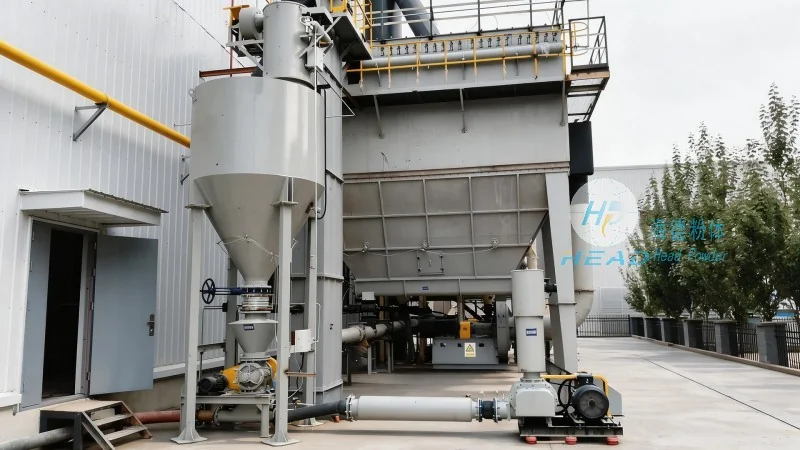
Introduction to Pneumatic Conveying Systems
Pneumatic conveying is a critical technology in industries dealing with bulk solids, particularly fine powders and dust. It involves transporting materials using a stream of air or gas under pressure or vacuum. The choice between positive pressure and negative pressure systems depends on factors such as material properties, distance, volume, and environmental considerations. Both methods are widely used, but they differ significantly in design, efficiency, and suitability for various applications.
Positive Pressure Conveying: Principles and Applications
Positive pressure conveying operates by blowing air or gas into a system to create a pressure higher than the ambient environment. The material is drawn into the system through a hopper or feeder and is then carried along the pipeline by the pressurized air. This method is effective for conveying materials over longer distances and in larger volumes. It is particularly suitable for abrasive or corrosive materials, as the system can be designed with robust components to withstand the higher pressures. HeadPowder's expertise in positive pressure systems includes the design of high-efficiency blowers, flexible hoses, and specialized hoppers that ensure reliable material transport while minimizing wear and tear.
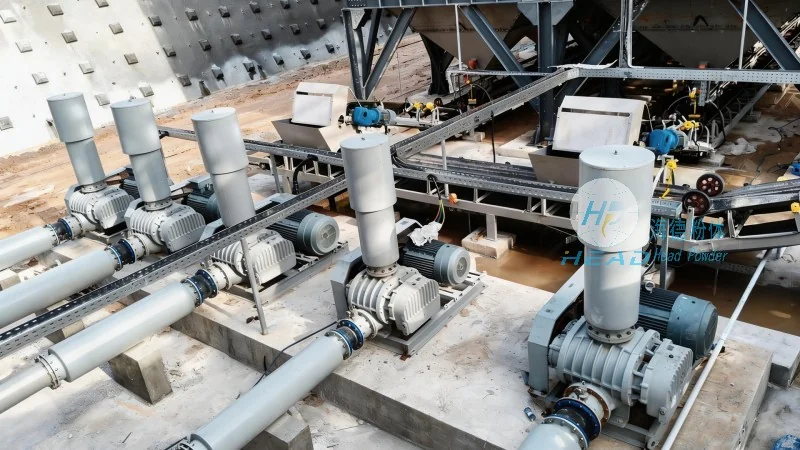
Negative Pressure Conveying: Principles and Applications
Negative pressure conveying, also known as vacuum conveying, works by creating a vacuum in the system, which draws material from the source into the pipeline. The material is then transported to the destination by the suction created by the vacuum pump. This method is ideal for applications requiring gentle handling of delicate or sensitive materials, as it reduces the risk of particle degradation or agglomeration. Negative pressure systems are commonly used for short to medium distances and for materials that are prone to dust generation or require controlled release. HeadPowder's vacuum conveying solutions include advanced vacuum pumps, filtration systems, and sealed containers that maintain a clean and safe environment during transport.
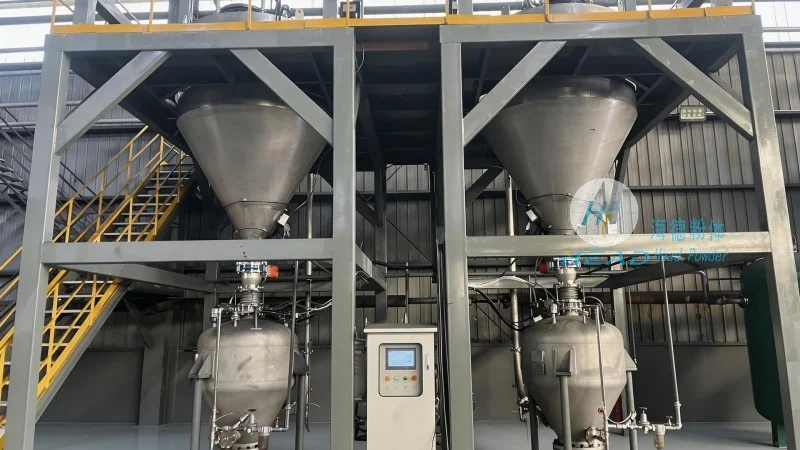
Comparative Analysis: Key Differences and Considerations
When comparing positive and negative pressure conveying, several factors must be considered. Positive pressure systems generally offer higher conveying rates and are more suitable for long-distance transport, while negative pressure systems excel in handling fine, low-density materials and require less maintenance for certain applications. From an operational standpoint, positive pressure systems may require more energy due to the need to maintain higher pressures, whereas negative pressure systems can be more energy-efficient for shorter distances. HeadPowder's engineers evaluate these factors for each client, ensuring that the chosen system optimizes performance, reduces operational costs, and adheres to safety and environmental regulations.
Conclusion and Company Overview
Both positive pressure and negative pressure pneumatic conveying methods play vital roles in modern material handling. The selection of the appropriate system depends on the specific characteristics of the material, the distance to be covered, and the operational requirements of the facility. HeadPowder, based in Shandong, China, specializes in designing and implementing customized pneumatic conveying solutions that meet the unique needs of various industries. With a focus on innovation, quality, and customer satisfaction, HeadPowder provides comprehensive services from system design and installation to maintenance and support, ensuring reliable and efficient material transport for its clients.