

Comparison of Advantages and Disadvantages of Negative Pressure vs. Positive Pressure Conveying for
Battery anode materials, such as graphite and lithium iron phosphate, are critical components in modern energy storage systems. The efficient and reliable transport of these materials from storage to processing facilities is essential for maintaining production efficiency and product quality. Gas-pneumatic conveying systems have become a preferred method for handling these powders due to their ability to transport materials over long distances without the need for mechanical components like belts or buckets. Among the various gas-pneumatic conveying techniques, negative pressure (suction) and positive pressure (blowing) systems are the two primary approaches. This article provides a detailed comparison of the advantages and disadvantages of negative pressure versus positive pressure conveying for battery anode materials, highlighting the key factors that influence the choice of system for specific applications.
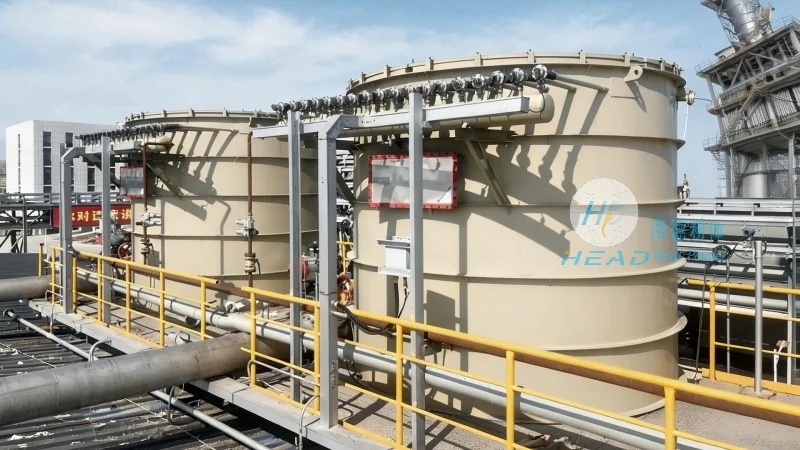
Introduction to Gas-Pneumatic Conveying for Battery Anode Materials
Gas-pneumatic conveying systems use air or other gases to transport particulate materials through a pipeline. The two main types of systems are negative pressure (suction) and positive pressure (blowing) systems. Negative pressure systems create a vacuum at the material pickup point, drawing the material into the pipeline. Positive pressure systems, on the other hand, blow air or gas into the pipeline, pushing the material forward. Both methods have been widely used in the battery manufacturing industry, but each has distinct characteristics that make it suitable for different scenarios.
Advantages and Disadvantages of Negative Pressure Conveying
Negative pressure conveying, also known as suction conveying, operates by creating a low-pressure zone at the material source. This low pressure draws the material into the pipeline, where it is then carried to the destination by the flow of air. One of the primary advantages of negative pressure systems is their ability to handle materials that are prone to dust generation or that require a clean environment. Since the material is drawn into the system, there is less risk of dust escaping into the surrounding environment, which is particularly important for battery anode materials that can be hazardous if inhaled or come into contact with skin. Additionally, negative pressure systems are generally more flexible in terms of layout, as they can be installed in existing facilities without major structural modifications. The system can be positioned to pick up material from various points, making it suitable for complex production lines.
However, negative pressure systems also have several disadvantages. The most significant drawback is their limited conveying distance and capacity. Due to the vacuum created, the system can only transport materials over relatively short distances, typically up to 100 meters or less, depending on the material's properties and the system design. This limitation can be a major constraint for facilities that require long-distance transport of anode materials. Another disadvantage is the higher energy consumption compared to positive pressure systems. Maintaining a vacuum requires continuous power input to operate the vacuum pump, which increases operational costs. Furthermore, negative pressure systems are more susceptible to clogging, especially when handling materials with high moisture content or fine particles, as the low pressure can cause the material to stick to the pipeline walls.
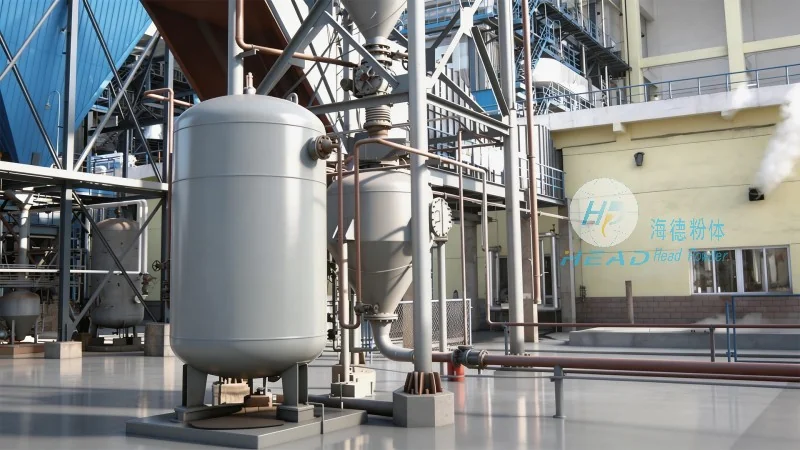
Advantages and Disadvantages of Positive Pressure Conveying
Positive pressure conveying, or blowing conveying, operates by injecting air or gas into the pipeline at a high pressure, pushing the material forward. This method is capable of transporting materials over much longer distances, often up to several hundred meters or more, depending on the system design and material characteristics. One of the main advantages of positive pressure systems is their high conveying capacity and ability to handle larger volumes of material. This makes them ideal for large-scale battery manufacturing plants where high throughput is required. Another advantage is the lower energy consumption compared to negative pressure systems, as the system does not need to maintain a vacuum. The pressure is applied continuously, which can be more energy-efficient for long-distance transport. Positive pressure systems are also less prone to clogging, as the high pressure helps to keep the material moving and prevents it from sticking to the pipeline walls.
Despite these advantages, positive pressure systems have their own set of disadvantages. The most notable drawback is the risk of dust and material escaping from the system, especially at the pickup point. Since the system operates under high pressure, any leaks or improper sealing can result in the release of dust into the environment, which poses health and safety risks. This is a critical concern for battery anode materials, as they can be toxic or cause respiratory issues. Additionally, positive pressure systems require more robust pipeline and equipment, as they are subjected to higher pressures and higher material loads. The initial investment and maintenance costs for positive pressure systems are generally higher than for negative pressure systems. Furthermore, the layout of positive pressure systems is more restricted, as the pipeline must be arranged in a way that allows the material to be pushed forward without significant pressure drops or blockages.
Factors Influencing the Choice Between Negative and Positive Pressure Conveying
The choice between negative and positive pressure conveying for battery anode materials depends on several key factors, including the material properties, conveying distance, production scale, and environmental regulations. Material properties such as particle size, moisture content, and dust generation characteristics play a crucial role. For example, materials with high dust generation or fine particles may be better suited for negative pressure systems to minimize environmental contamination. Conversely, materials that are less prone to dust and can be handled in bulk may be suitable for positive pressure systems due to their higher capacity and longer conveying distances.
Conveying distance is another critical factor. If the material needs to be transported over long distances, positive pressure systems are generally preferred due to their ability to handle longer pipelines. However, if the distance is short and the material is sensitive to dust, negative pressure systems may be more appropriate. Production scale is also an important consideration. Large-scale battery manufacturing plants with high throughput requirements often opt for positive pressure systems to meet their capacity needs. Smaller facilities or those with limited space may find negative pressure systems more suitable due to their flexibility in layout.
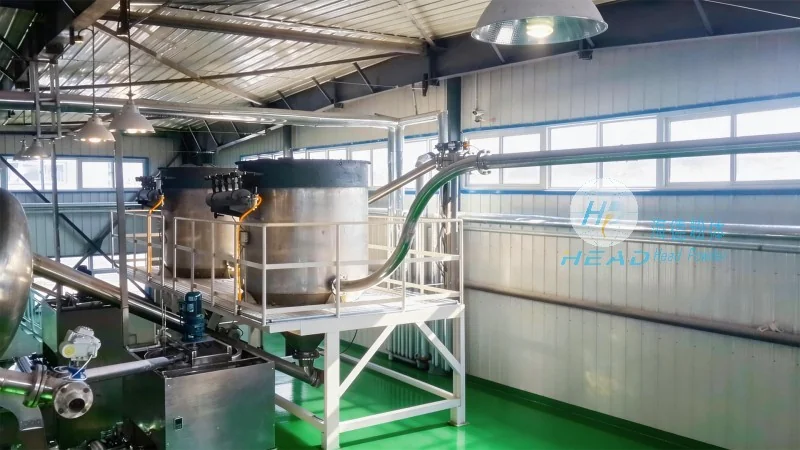
Environmental regulations and safety considerations also influence the choice of system. Negative pressure systems are often preferred in environments where dust control is a priority, as they minimize the risk of dust escaping. Positive pressure systems, while capable of high capacity, require stringent sealing and filtration to prevent dust release, which can increase operational complexity and costs. The cost of installation and maintenance is another factor. Negative pressure systems may have lower initial costs but higher operational costs due to energy consumption. Positive pressure systems have higher initial costs but lower operational costs due to lower energy use.
Conclusion and Recommendations
In conclusion, both negative pressure and positive pressure conveying systems have their own advantages and disadvantages when used for battery anode materials. The choice between the two depends on the specific requirements of the application, including material properties, conveying distance, production scale, and environmental regulations. Negative pressure systems are ideal for short-distance transport and materials that require strict dust control, while positive pressure systems are better suited for long-distance transport and high-capacity applications.
Shandong HeadPowder Engineering Co., Ltd., a leading provider of material handling solutions, specializes in designing and manufacturing gas-pneumatic conveying systems tailored to the needs of the battery industry. With years of experience in the field, HeadPowder offers customized solutions that balance efficiency, cost, and environmental compliance. Whether a facility requires a negative pressure system for dust-sensitive materials or a positive pressure system for high-volume transport, HeadPowder can provide the expertise and equipment to ensure reliable and efficient material handling. Based in Shandong, China, HeadPowder serves clients worldwide, delivering innovative solutions that meet the evolving demands of the battery manufacturing sector.