

Classification and Composition of Carbon Fiber Pneumatic Conveying Systems
Carbon fiber pneumatic conveying systems represent a sophisticated technology used in various industrial applications to transport bulk materials through an air stream. These systems are engineered to handle materials with high value or sensitivity, such as carbon fiber powders, which require precise control and minimal degradation during transport. The design and functionality of these systems are critical to ensuring efficient material handling while maintaining product quality.
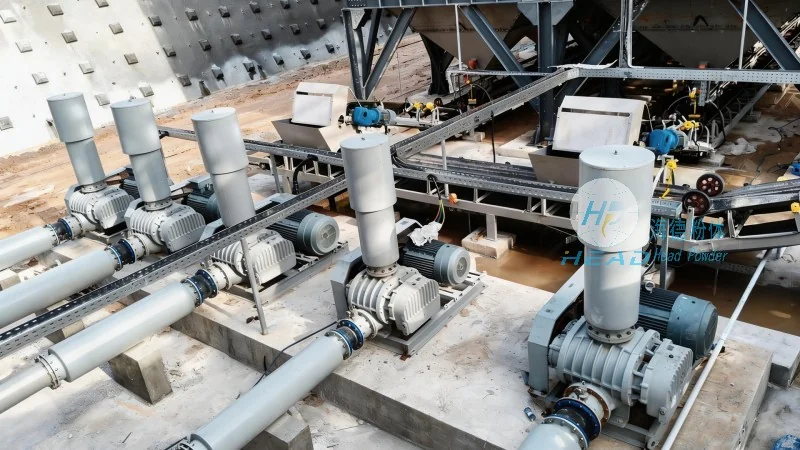
Overview of Carbon Fiber Pneumatic Conveying Systems
Carbon fiber pneumatic conveying systems are designed to move carbon fiber materials from one location to another using compressed air or other gas as the conveying medium. This method offers several advantages over traditional mechanical conveying systems, including reduced product contamination, lower maintenance requirements, and the ability to handle materials that are difficult to transport via conventional means. The systems are typically categorized based on the pressure used during operation, with two primary types being positive pressure and negative pressure systems.
Classification of Carbon Fiber Pneumatic Conveying Systems
Carbon fiber pneumatic conveying systems can be broadly classified into two main categories: positive pressure systems and negative pressure systems. Positive pressure systems operate by blowing air or gas into the conveying line, pushing the material forward. This type of system is often preferred for applications where the material is sensitive to air exposure or where the system needs to operate over long distances. Negative pressure systems, on the other hand, create a vacuum in the conveying line, drawing the material into the system. These systems are commonly used for short-distance transport or when the material is to be collected from a source that is not easily accessible.
Key Components of Carbon Fiber Pneumatic Conveying Systems
The composition of a carbon fiber pneumatic conveying system includes several essential components that work together to ensure efficient and reliable operation. The primary components are the material feed device, the conveying line, the air or gas source, the control system, and the discharge equipment. Each component plays a crucial role in the overall performance of the system.
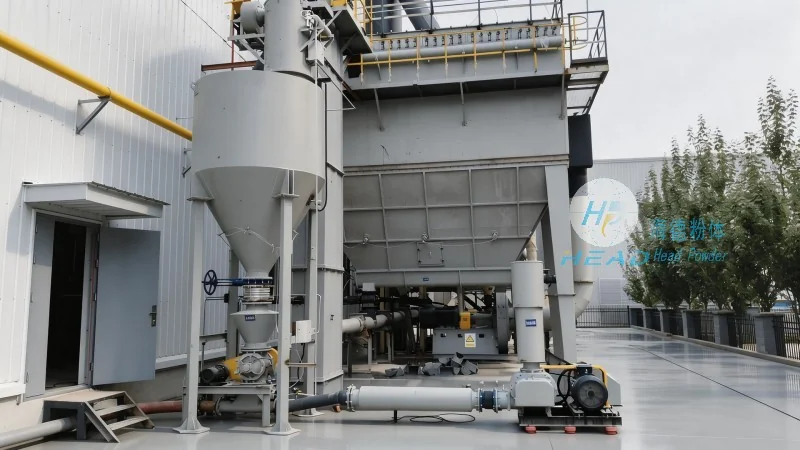
Material Feed Device
The material feed device is responsible for introducing the carbon fiber material into the conveying line. This component must be designed to handle the specific characteristics of carbon fiber powders, such as their fine particle size and potential for static charge buildup. Common feed devices include rotary valves, star feeders, and screw feeders, which are selected based on the material's flow properties and the system's operational requirements. The feed device ensures a consistent and controlled flow of material into the system, preventing blockages and maintaining system efficiency.
Conveying Line
The conveying line is the main channel through which the carbon fiber material is transported. It is typically made of materials that are resistant to abrasion and corrosion, such as stainless steel or special alloys, to withstand the abrasive nature of carbon fiber particles. The line is designed with smooth internal surfaces to minimize friction and reduce the risk of material degradation. The length and diameter of the conveying line are critical factors that affect the system's performance, as they determine the air velocity required to maintain material transport and prevent settling.
Air or Gas Source
The air or gas source provides the necessary pressure or vacuum to move the carbon fiber material through the conveying line. Positive pressure systems use a blower or compressor to generate compressed air, while negative pressure systems use a vacuum pump. The choice of air or gas source depends on the system's classification and the specific application requirements. The source must be capable of delivering the required flow rate and pressure to ensure efficient material transport without causing excessive energy consumption.
Control System
The control system is responsible for monitoring and regulating the operation of the carbon fiber pneumatic conveying system. It includes sensors and control devices that track parameters such as pressure, flow rate, and material level. The control system ensures that the system operates within safe and efficient parameters, automatically adjusting the air flow or feed rate as needed to maintain consistent performance. This component is essential for preventing system failures and optimizing the overall operation of the conveying process.
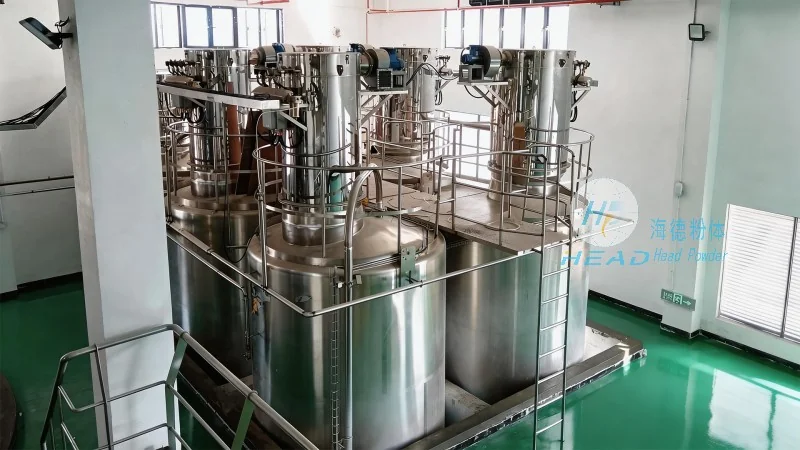
Discharge Equipment
The discharge equipment is used to release the carbon fiber material from the conveying line at the destination point. This component must be designed to handle the material's characteristics and ensure a clean and controlled discharge. Common discharge devices include rotary valves, bagging machines, and storage hoppers. The discharge equipment is typically integrated with the control system to ensure that material is released only when the receiving container is ready, preventing spills and maintaining product quality.
Applications and Benefits of Carbon Fiber Pneumatic Conveying Systems
Carbon fiber pneumatic conveying systems are widely used in various industries, including aerospace, automotive, and composite manufacturing. These systems are particularly valuable for transporting carbon fiber powders, which are used in the production of high-performance composites. The benefits of using these systems include improved material handling efficiency, reduced product contamination, and lower maintenance costs compared to traditional mechanical systems. Additionally, the systems can be customized to meet the specific needs of different applications, ensuring optimal performance and reliability.
Conclusion
In conclusion, carbon fiber pneumatic conveying systems are a critical technology for efficiently and reliably transporting carbon fiber materials in industrial settings. The classification and composition of these systems are designed to meet the unique requirements of carbon fiber powders, ensuring minimal degradation and maximum product quality. By understanding the key components and operational principles of these systems, manufacturers can select the most appropriate solution for their specific applications, leading to improved productivity and cost savings.