

Classification and Composition of Metallurgical Coke Pneumatic Conveying Systems
Metallurgical coke is a critical raw material in the steelmaking process, and efficient transportation of this material is essential for maintaining production efficiency and safety. Pneumatic conveying systems have become a preferred method for transporting metallurgical coke due to their ability to handle abrasive materials, minimize dust generation, and provide a flexible and automated solution. This article will explore the classification and key components of metallurgical coke pneumatic conveying systems, highlighting the importance of each category and the essential elements that constitute a complete system.
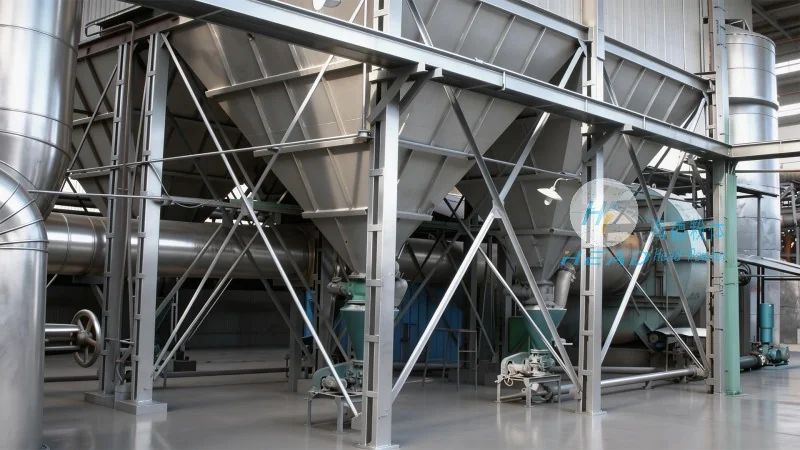
Classification of Metallurgical Coke Pneumatic Conveying Systems
Metallurgical coke pneumatic conveying systems can be broadly classified into two main categories based on the pressure differential used to move the material: positive pressure systems and negative pressure systems. Each type has distinct characteristics and is suitable for different operational requirements.
Positive Pressure Pneumatic Conveying Systems
Positive pressure systems operate by blowing air or a gas mixture into the conveying line, creating a pressure higher than the ambient air pressure. This pressure differential propels the coke particles through the system. These systems are commonly used for short to medium distance conveying and are particularly effective when the material needs to be delivered to elevated locations or when the system must be enclosed to contain dust. The primary components of a positive pressure system include a blower or air compressor, a hopper or feeder to introduce the coke, a conveying line (often made of stainless steel or other corrosion-resistant materials), and a receiver or discharge point where the coke is deposited. Positive pressure systems are known for their high conveying capacity and ability to handle large volumes of material, making them suitable for industrial-scale operations.
Negative Pressure Pneumatic Conveying Systems
Negative pressure systems, also known as vacuum systems, operate by creating a vacuum in the conveying line, which draws the coke particles from the source into the system. The material is then transported to the discharge point under the influence of the vacuum. These systems are typically used for longer distances or when the material must be transported from a lower elevation to a higher one, as the vacuum can effectively pull the material upward. The key components of a negative pressure system include a vacuum pump, a hopper or feeder, a conveying line, and a receiver. Negative pressure systems are often preferred for applications where dust control is critical, as the system draws material into the line rather than expelling it, reducing the risk of external contamination.
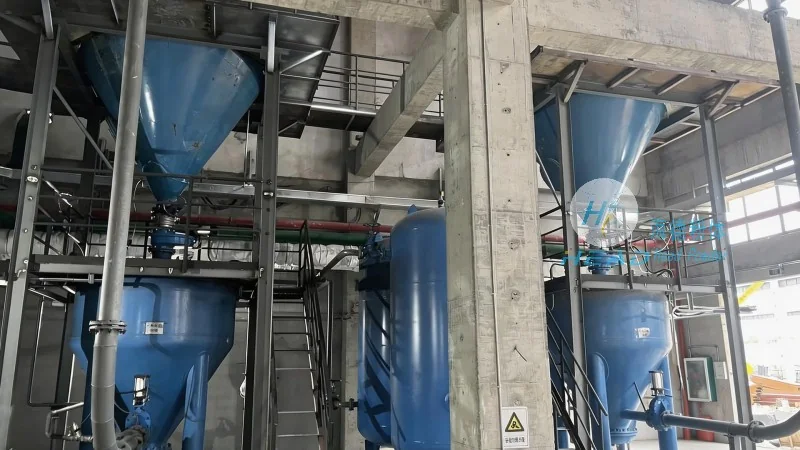
Key Components of Metallurgical Coke Pneumatic Conveying Systems
Regardless of the classification, all metallurgical coke pneumatic conveying systems share several essential components that ensure reliable and efficient operation. These components work in concert to move the material from the source to the destination while maintaining system integrity and safety.
Feeding and Hopper Systems
The feeding and hopper system is the starting point of the pneumatic conveying process. It is responsible for introducing the metallurgical coke into the conveying line at a controlled rate. The hopper is typically designed with a conical or rectangular shape to facilitate material flow and prevent clogging. For abrasive materials like metallurgical coke, the hopper and feeder are often constructed from high-quality stainless steel or other wear-resistant materials to withstand the constant impact and friction. The feeder, which may be a rotary valve, screw feeder, or vibratory feeder, regulates the flow of coke into the system, ensuring a consistent and controlled feed rate. This component is critical for maintaining system efficiency and preventing blockages or uneven material flow.
Conveying Lines and Tubing
The conveying line is the backbone of the pneumatic system, responsible for transporting the coke particles through the system. The choice of tubing material is crucial, as it must withstand the abrasive nature of metallurgical coke and resist corrosion from any moisture or chemicals present in the material. Stainless steel, particularly 316L or other high-grade alloys, is commonly used for the conveying line due to its durability and resistance to wear and corrosion. The diameter of the tubing is also an important consideration, as it must be large enough to accommodate the volume of coke being conveyed while minimizing pressure drop. Properly sized and installed tubing ensures that the system operates at optimal efficiency, with minimal energy consumption and reduced risk of material buildup or blockages.
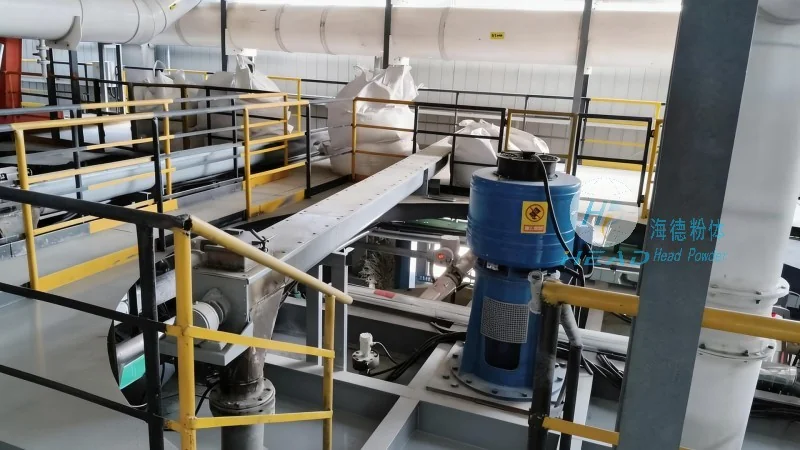
Blowers and Vacuum Pumps
The power source of the pneumatic conveying system is the blower or vacuum pump. In positive pressure systems, a blower provides the necessary pressure to push the material through the line, while in negative pressure systems, a vacuum pump creates the vacuum that draws the material in. The selection of the appropriate blower or pump depends on the system's capacity, the distance of the conveying line, and the specific characteristics of the metallurgical coke. High-efficiency, low-noise blowers are preferred to minimize energy consumption and noise pollution. The pump or blower must be capable of maintaining the required pressure or vacuum levels throughout the conveying process, ensuring consistent material flow and preventing system failures.
Control and Monitoring Systems
Modern metallurgical coke pneumatic conveying systems are equipped with advanced control and monitoring systems to ensure safe and efficient operation. These systems typically include sensors and controllers that monitor key parameters such as pressure, flow rate, and temperature. Pressure sensors are installed along the conveying line to detect any blockages or pressure drops, which can indicate a problem in the system. Flow meters help in measuring the volume of material being conveyed, allowing for real-time adjustments to the feed rate. Temperature sensors may be used to monitor the temperature of the coke or the air in the system, preventing overheating or other thermal issues. The control system integrates all these sensors and provides operators with a clear overview of the system's status, enabling quick response to any anomalies. This level of automation and monitoring enhances system reliability and reduces the risk of downtime or accidents.
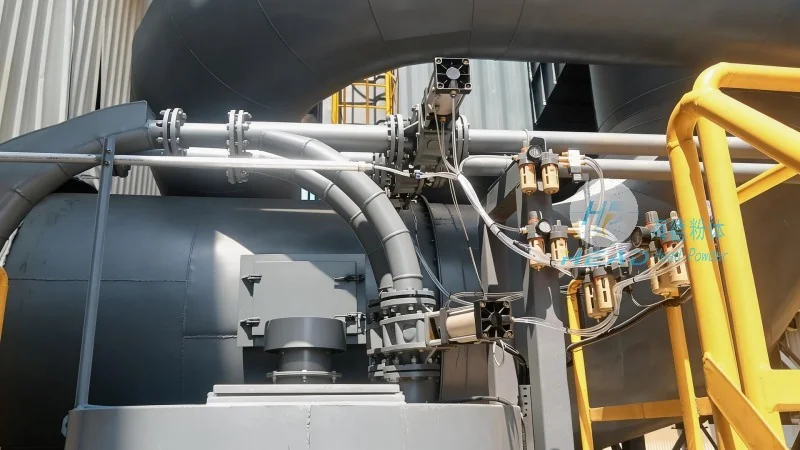
Receiver and Discharge Systems
The receiver or discharge system is the endpoint of the pneumatic conveying process, where the metallurgical coke is deposited. The receiver is typically a hopper or tank designed to hold the material until it is transferred to the next stage of the production process. It is often equipped with a discharge valve or outlet that allows the coke to be released in a controlled manner. For positive pressure systems, the receiver may be vented to the atmosphere or connected to a dust collection system to prevent dust emissions. In negative pressure systems, the receiver is sealed to maintain the vacuum and prevent dust from escaping. The discharge system may include a rotary valve or other equipment to regulate the flow of coke from the receiver to the final destination, such as a storage silo or a processing unit. Proper design of the receiver and discharge system is essential to prevent material buildup, ensure smooth discharge, and maintain system cleanliness.
Applications and Benefits of Metallurgical Coke Pneumatic Conveying Systems
Metallurgical coke pneumatic conveying systems are widely used in the steel industry for transporting coke from storage facilities to the blast furnace or other processing units. The benefits of using such systems include improved safety by reducing manual handling of heavy and abrasive materials, increased efficiency through automated and continuous operation, and reduced environmental impact by minimizing dust generation and containing material within the system. The flexibility of pneumatic conveying allows for easy integration with existing production lines and can be adapted to various operational requirements. Additionally, these systems can handle large volumes of material with minimal space requirements, making them suitable for both new installations and retrofitting existing facilities.
Shandong HeadPowder Engineering Co., Ltd., a leading provider of industrial conveying solutions, specializes in designing and manufacturing metallurgical coke pneumatic conveying systems tailored to the specific needs of steel and metallurgical plants. With years of experience in the industry, HeadPowder engineers have developed advanced systems that incorporate the latest technologies to ensure high performance, reliability, and safety. The company's commitment to quality and customer satisfaction has made it a trusted partner for many leading steel manufacturers in China and around the world. By leveraging their expertise in material handling and pneumatic systems, HeadPowder delivers solutions that enhance production efficiency, reduce operational costs, and improve overall plant performance.