

Positive Pressure and Negative Pressure Conveying of Wheat Flour: A Comparative Analysis of Two Pneu
Pneumatic conveying is a widely used method for transporting bulk materials like wheat flour from one location to another. This technology utilizes air to move materials through a pipeline, offering advantages such as dust control, reduced contamination, and the ability to handle materials in a closed system. Two primary methods dominate this field: positive pressure conveying and negative pressure conveying. Understanding the differences between these approaches is crucial for selecting the most suitable solution for specific applications.
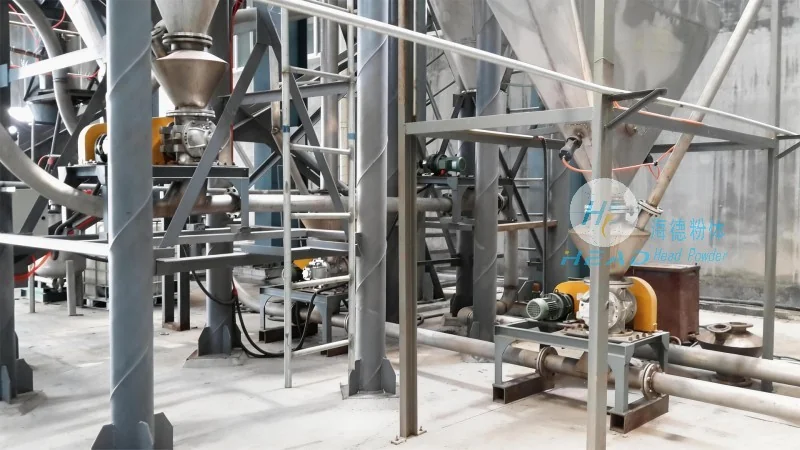
Positive Pressure Conveying: How It Works
Positive pressure conveying operates by blowing air into the conveying line, creating a pressure higher than the ambient air. The material is then drawn into the line by this pressure differential. This method is often preferred for applications requiring high material flow rates and long-distance transport. The system typically includes a blower, a hopper, and a discharge point. The air flow is continuous, ensuring that the material is consistently moved through the pipeline. For wheat flour, this method is effective in maintaining product quality by minimizing exposure to external contaminants and preventing moisture absorption.
Key Advantages of Positive Pressure Conveying
One of the main benefits of positive pressure systems is their ability to handle high volumes of material efficiently. The continuous air flow ensures that the material is conveyed without interruption, making it ideal for large-scale operations. Additionally, these systems are generally more reliable and easier to maintain compared to negative pressure counterparts. The closed pipeline design also helps in controlling dust and preventing product degradation, which is critical for sensitive materials like wheat flour.
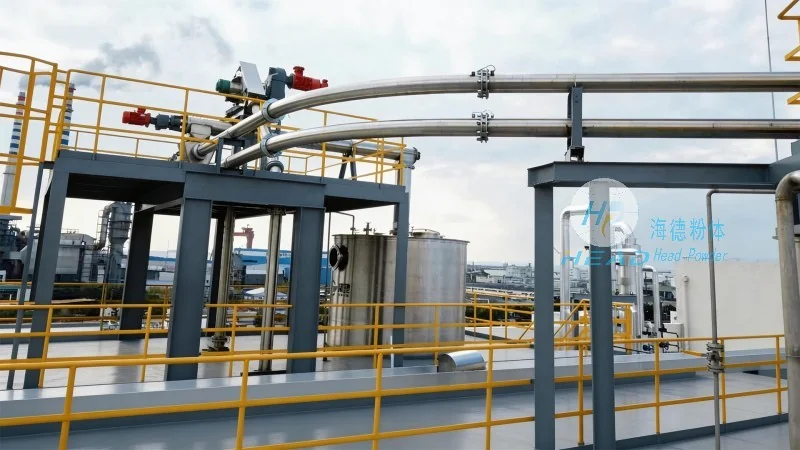
Negative Pressure Conveying: The Alternative Approach
Negative pressure conveying, also known as suction conveying, works by creating a vacuum in the conveying line. The material is drawn into the line due to the pressure difference between the interior and exterior of the system. This method is often used for shorter distances and when the material is to be collected from multiple points. The system typically includes a vacuum pump, a collection hopper, and a discharge point. Unlike positive pressure systems, the air flow is directed away from the material, reducing the risk of product contamination from external sources.
Advantages and Limitations of Negative Pressure Conveying
Negative pressure conveying is particularly suitable for applications where the material needs to be collected from various sources or when the environment is already dusty. It is also less likely to cause dust explosions compared to positive pressure systems, as the air is drawn away from the material rather than blowing it through the line. However, this method has limitations, such as lower material flow rates and potential issues with material buildup in the pipeline, especially with fine powders like wheat flour. The vacuum pump also requires more maintenance and can be more expensive to operate over time.
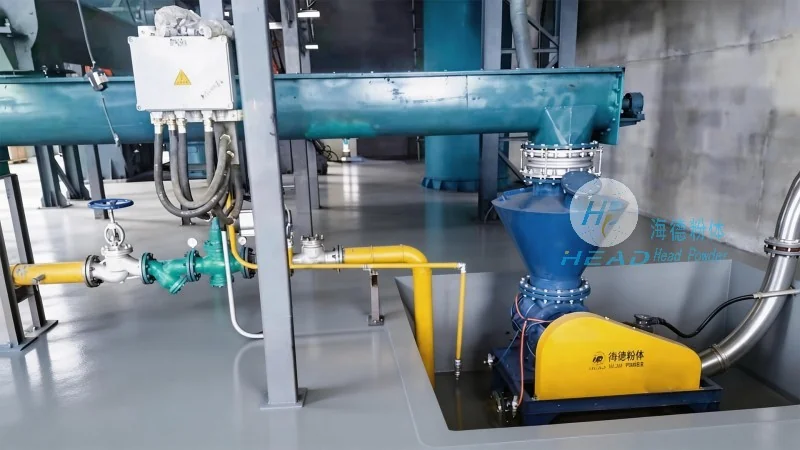
Comparative Analysis: Positive vs. Negative Pressure Conveying
When deciding between positive and negative pressure conveying for wheat flour, several factors must be considered. The primary consideration is the distance and volume of material to be transported. Positive pressure systems are generally better for long-distance and high-volume applications, while negative pressure systems are more suitable for short distances and collection from multiple points. Another critical factor is the material's properties, such as moisture content and dust generation. Wheat flour, being a fine powder, is prone to dust and requires careful handling. Positive pressure systems excel in maintaining product quality by controlling dust and preventing moisture absorption, whereas negative pressure systems are better at minimizing external contamination.
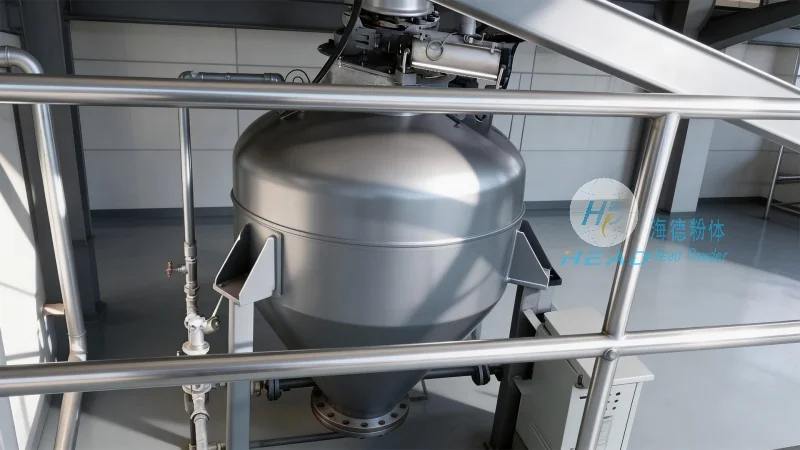
Application Examples in the Wheat Flour Industry
In the wheat flour processing industry, both positive and negative pressure conveying systems are widely used. For example, in large-scale flour mills, positive pressure systems are employed to transport flour from storage silos to packaging lines over long distances. The high flow rates and reliability of these systems make them ideal for continuous production. On the other hand, negative pressure systems are used in smaller operations or for collecting flour from multiple storage bins, ensuring that the material is handled gently and without causing excessive dust. The choice between the two often depends on the specific needs of the facility, including budget, space constraints, and the desired level of product quality control.
Conclusion: Choosing the Right Conveying System
Both positive pressure and negative pressure conveying methods offer effective solutions for transporting wheat flour, each with its own set of advantages and limitations. Positive pressure systems are generally more suitable for high-volume, long-distance applications, providing efficient and reliable transport while maintaining product quality. Negative pressure systems, while less common for wheat flour, are valuable for specific scenarios such as collection from multiple points or handling in dusty environments. Ultimately, the choice between the two depends on the specific requirements of the operation, including material volume, distance, and quality control needs. By understanding the differences between these systems, manufacturers can select the most appropriate solution to optimize their wheat flour handling processes.