

Comparative Analysis of Positive Pressure and Negative Pressure Conveying for Aluminum Hydroxide: A
HeadPowder, a leading provider of material handling solutions, specializes in advanced pneumatic conveying systems tailored for industries such as chemical processing, pharmaceuticals, and food production. This article provides a detailed comparison of positive pressure and negative pressure conveying methods, focusing on their applications in the handling of aluminum hydroxide—a widely used industrial chemical. The analysis aims to help stakeholders understand the advantages, limitations, and optimal use cases for each method, ensuring informed decision-making in material transport operations.
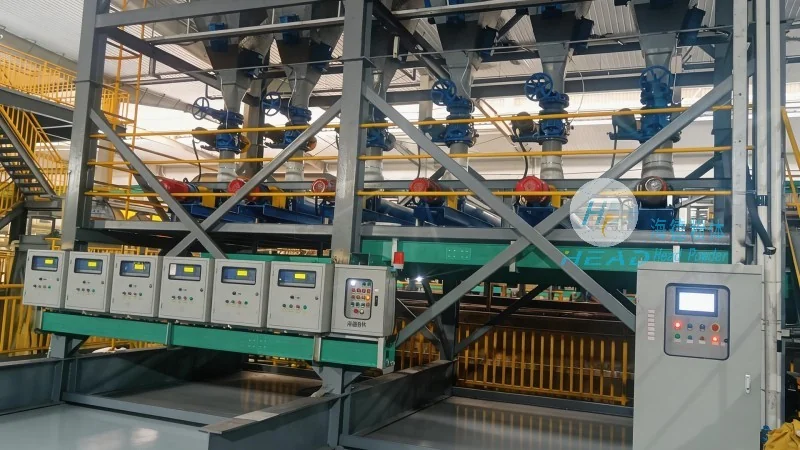
Introduction to Pneumatic Conveying Systems
Pneumatic conveying is a critical technology for transporting bulk materials like aluminum hydroxide, which is often used in applications ranging from flame retardants to water treatment. The two primary methods—positive pressure and negative pressure—differ fundamentally in how they generate airflow and control material movement. Understanding these differences is essential for selecting the most efficient and cost-effective system for specific industrial needs.
Positive Pressure Conveying: Advantages and Applications
Positive pressure conveying, also known as pressure pneumatic conveying, operates by forcing air or gas through a pipeline at a pressure higher than the ambient air pressure. This method is particularly effective for transporting aluminum hydroxide over long distances or through complex system layouts. One of the key advantages is its ability to handle abrasive or corrosive materials without significant wear on equipment, as the high-pressure air maintains consistent flow and prevents material buildup. Additionally, positive pressure systems are well-suited for applications requiring high throughput, as they can deliver large volumes of material quickly and reliably.
In the context of aluminum hydroxide, positive pressure conveying is often preferred in scenarios where the material needs to be transported from a central storage facility to multiple processing points. The system’s ability to maintain consistent pressure ensures that the material remains in suspension and moves smoothly through the pipeline, reducing the risk of blockages or clogging. For example, in a chemical plant producing aluminum hydroxide-based products, a positive pressure system can efficiently transport the material from a silo to a reactor, minimizing downtime and operational costs.
Negative Pressure Conveying: Advantages and Applications
Negative pressure conveying, or vacuum pneumatic conveying, works by creating a vacuum in the pipeline, drawing material from the source into the system. This method is typically used for shorter distances or when the material needs to be transported from a single point to a central collection point. A major advantage of negative pressure systems is their lower energy consumption compared to positive pressure systems, as they rely on the vacuum created by a fan rather than high-pressure air. This makes them more energy-efficient and cost-effective for smaller-scale operations.
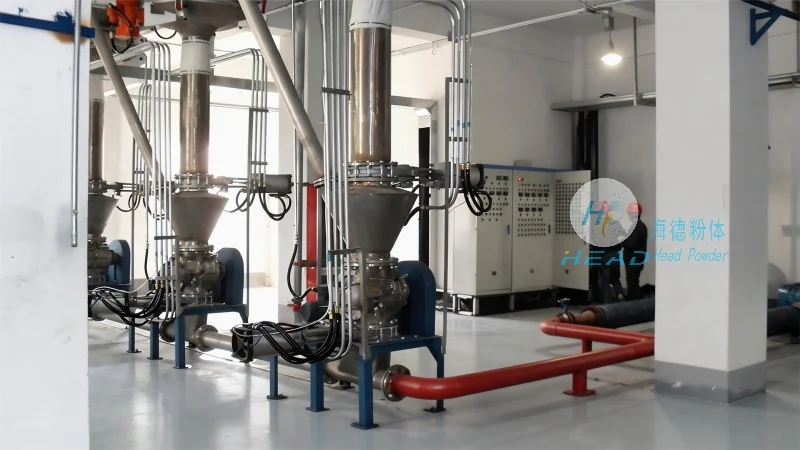
For aluminum hydroxide, negative pressure conveying is often used in applications where the material is generated at a specific location and needs to be collected and transported to a processing facility. For instance, in a mining operation where aluminum hydroxide is extracted from ore, a negative pressure system can efficiently draw the material from the extraction point to a processing plant, minimizing dust emissions and ensuring safe material handling. The vacuum also helps in controlling the flow rate, allowing for precise control over the material’s movement.
Key Differences and Performance Metrics
When comparing positive and negative pressure conveying for aluminum hydroxide, several factors come into play, including system efficiency, material handling capabilities, and operational costs. Positive pressure systems generally offer higher throughput and are better suited for long-distance transport, while negative pressure systems are more energy-efficient and ideal for shorter distances or specific material handling needs. The choice between the two often depends on the specific requirements of the application, such as the distance between the source and destination, the volume of material to be transported, and the environmental considerations of the operation.
Performance metrics such as pressure drop, air velocity, and material velocity are critical in evaluating the effectiveness of each system. Positive pressure systems typically operate at higher air velocities to maintain material suspension, while negative pressure systems rely on lower velocities due to the vacuum. The pressure drop in the pipeline also differs, with positive pressure systems experiencing higher pressure losses over longer distances, which may require additional booster fans to maintain flow. In contrast, negative pressure systems have lower pressure drops but may require more powerful vacuum pumps to maintain suction.
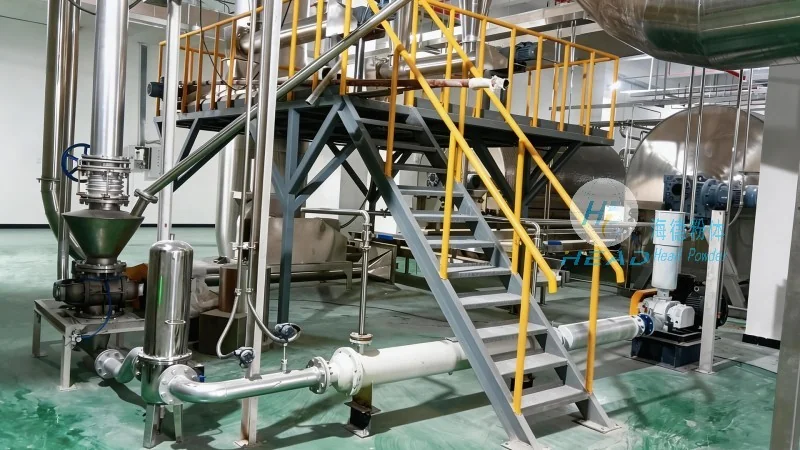
Practical Considerations for Aluminum Hydroxide Handling
Handling aluminum hydroxide requires careful consideration of its physical properties, such as its density, particle size, and flowability. Aluminum hydroxide is a fine, abrasive powder that can cause wear on equipment if not handled properly. Positive pressure systems are often equipped with wear-resistant materials and specialized valves to minimize damage from the abrasive nature of the material. Negative pressure systems, on the other hand, may require additional filtration to prevent dust accumulation and ensure compliance with environmental regulations.
Another practical consideration is the risk of material buildup or blockages in the pipeline. Positive pressure systems are less prone to blockages due to the continuous flow of high-pressure air, but they may still experience issues if the material is overly fine or has high moisture content. Negative pressure systems are more susceptible to blockages, especially if the material is sticky or has high moisture levels, as the vacuum can cause the material to cling to the pipeline walls. Proper system design, including the use of cyclones and filters, is essential to mitigate these risks and ensure smooth operation.
Conclusion: Selecting the Right Conveying Method
Choosing between positive pressure and negative pressure conveying for aluminum hydroxide depends on a combination of operational requirements, cost considerations, and material properties. Positive pressure systems offer higher throughput and are ideal for long-distance transport, while negative pressure systems provide energy efficiency and are suitable for shorter distances or specific material handling needs. By understanding the advantages and limitations of each method, industrial operators can select the most appropriate pneumatic conveying system to optimize their material transport operations and ensure efficient, cost-effective handling of aluminum hydroxide.
HeadPowder Engineering Co., Ltd., based in Shandong, China, specializes in designing and implementing customized pneumatic conveying solutions tailored to the unique needs of each client. With years of experience in the industry, HeadPowder provides comprehensive support, from system design and installation to maintenance and troubleshooting, ensuring that clients achieve optimal performance and reliability in their material handling operations.