

Positive Pressure and Negative Pressure Conveying of Cement and Mine Powder: A Comparative Analysis
When it comes to transporting bulk materials like cement and mine powder, pneumatic conveying systems offer efficient and reliable solutions. Among the various methods available, positive pressure and negative pressure conveying stand out as two primary approaches. This article provides a detailed comparison of these two techniques, focusing on their applications, operational principles, advantages, and disadvantages, with a particular emphasis on their suitability for handling cement and mine powder. The analysis is presented by Shandong HeadPowder Engineering Co., Ltd., a leading provider in the field, based in China.
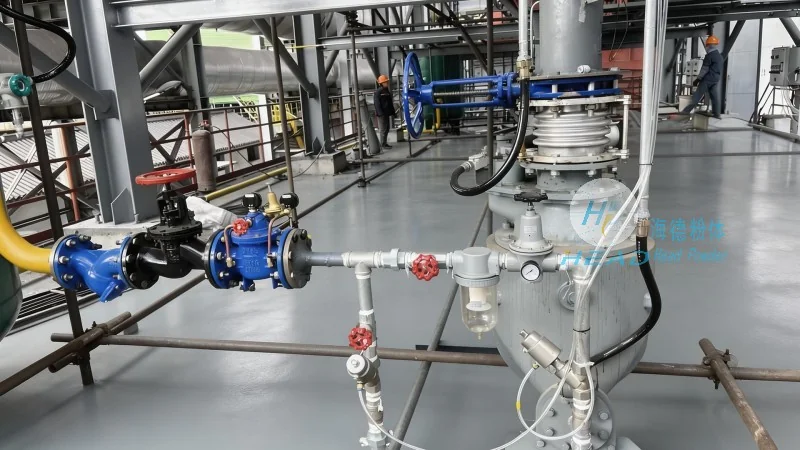
Understanding Pneumatic Conveying Systems
Pneumatic conveying systems utilize air or gas to transport particulate materials through a pipeline. The two main categories are positive pressure and negative pressure systems, each with distinct characteristics that influence their performance and suitability for different materials and applications.
Positive Pressure Conveying: The Forward Air Flow Approach
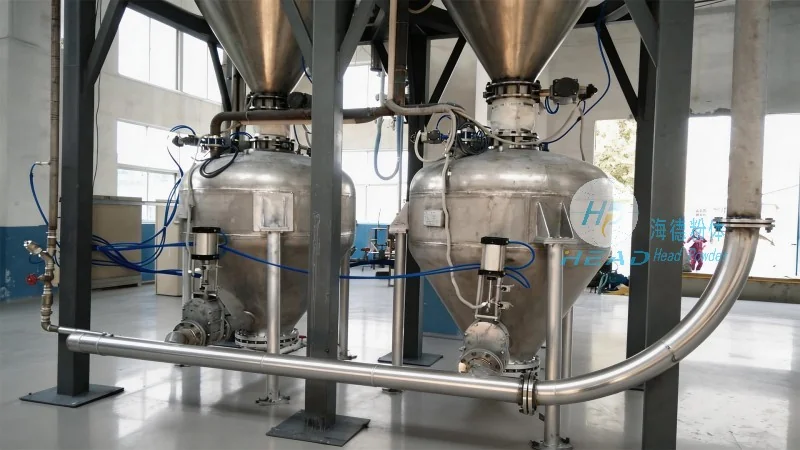
Positive pressure conveying, also known as pressure conveying, operates by blowing air or gas into the material to be transported. The air is introduced at a higher pressure than the ambient air, creating a positive pressure within the system. This method is particularly effective for transporting materials over long distances and through complex pipeline networks. The high-pressure air acts as a propellant, pushing the material through the pipeline. In the context of cement and mine powder, positive pressure systems are often used for bulk material handling in industrial settings, such as in cement plants, mining operations, and construction sites.
One of the key advantages of positive pressure conveying is its ability to handle a wide range of materials, including abrasive and dusty powders. The high air velocity helps to prevent material buildup and ensures consistent flow. Additionally, positive pressure systems can operate at higher flow rates, making them suitable for high-volume applications. However, they require robust equipment and higher energy consumption due to the need to maintain elevated pressure levels. The system also needs to be well-sealed to prevent air leakage and maintain the pressure differential.
Negative Pressure Conveying: The Suction Approach
Negative pressure conveying, or vacuum conveying, works by creating a vacuum at the receiving end of the system. The vacuum pulls the material through the pipeline, drawing it from the source to the destination. This method is typically used for shorter distances and for materials that are less abrasive or require more gentle handling. Negative pressure systems are often preferred for applications where the material is sensitive to high air velocities or where the source is located at a higher elevation than the destination.
A major advantage of negative pressure conveying is its lower energy consumption compared to positive pressure systems. The vacuum is created by a fan or a vacuum pump, which operates at lower speeds and consumes less power. This makes negative pressure systems more energy-efficient and cost-effective for certain applications. However, they are generally less effective for long-distance or high-volume transport, as the vacuum can drop significantly over longer distances, leading to reduced material flow rates. Additionally, negative pressure systems are more susceptible to clogging and material degradation due to the lower air velocity.
Comparative Analysis: Positive vs. Negative Pressure Conveying
When comparing positive and negative pressure conveying for cement and mine powder, several factors come into play. The choice between the two depends on the specific requirements of the application, including the distance to be covered, the volume of material to be transported, the material characteristics, and the available infrastructure.
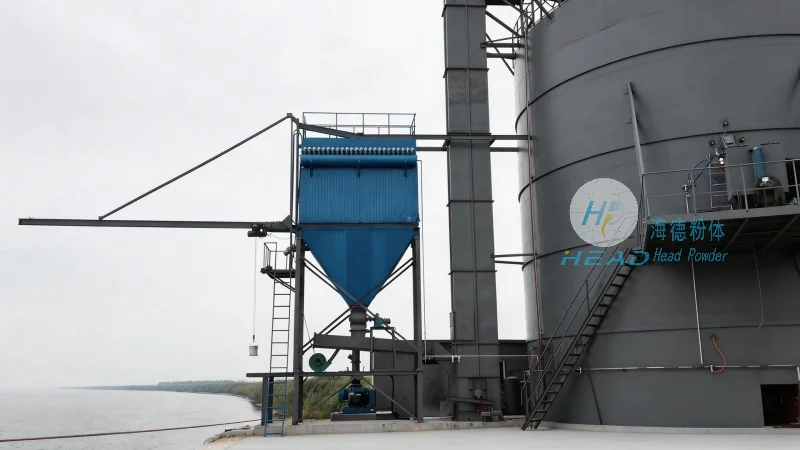
For long-distance and high-volume transport, positive pressure conveying is often the preferred choice. Its ability to maintain consistent flow rates and handle abrasive materials makes it ideal for industrial applications where reliability and efficiency are critical. However, the higher energy costs and the need for robust equipment can be significant considerations.
On the other hand, negative pressure conveying is more suitable for shorter distances and for materials that require gentler handling. Its lower energy consumption and simpler design make it a cost-effective option for applications where the material is less abrasive and the transport distance is limited. However, its limitations in handling long distances and high volumes may restrict its use in certain industrial settings.
Application Considerations for Cement and Mine Powder
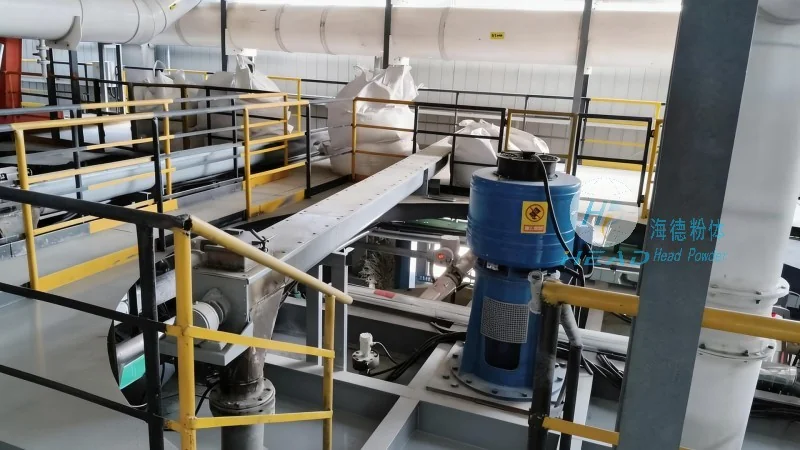
Both positive and negative pressure conveying systems are used in the cement and mining industries, but their applications differ based on the material properties and operational needs. Cement, being a fine powder, is often transported using positive pressure systems due to its high flowability and the need for consistent delivery to production lines. Mine powder, which may contain larger particles and be more abrasive, can be handled by both systems, but positive pressure is preferred for its ability to handle the higher particle sizes and abrasive nature.
Shandong HeadPowder Engineering Co., Ltd., with its headquarters in China, specializes in the design, manufacturing, and installation of pneumatic conveying systems tailored to the needs of the cement and mining industries. The company's expertise in both positive and negative pressure technologies allows it to provide customized solutions that optimize material transport efficiency while minimizing operational costs.
Conclusion
In conclusion, both positive pressure and negative pressure conveying offer viable solutions for transporting cement and mine powder, each with its own set of advantages and limitations. The choice between the two depends on the specific operational requirements, including distance, volume, material characteristics, and energy considerations. Positive pressure conveying is generally more suitable for long-distance and high-volume applications, while negative pressure conveying is better suited for shorter distances and more sensitive materials. By understanding the differences between these two methods, industry professionals can select the most appropriate system to ensure efficient and reliable material transport, ultimately enhancing productivity and reducing operational costs.