

Comparison of Positive Pressure and Negative Pressure Conveying for Calcium Oxide Powder: A Comparat
When it comes to transporting calcium oxide powder, selecting the right pneumatic conveying method is crucial for efficiency, safety, and cost-effectiveness. Two primary approaches dominate the industry: positive pressure conveying and negative pressure conveying. Each method offers distinct advantages and is suited to different operational requirements. This article provides a detailed comparison of these two techniques, focusing on their applications, performance characteristics, and suitability for calcium oxide powder handling.
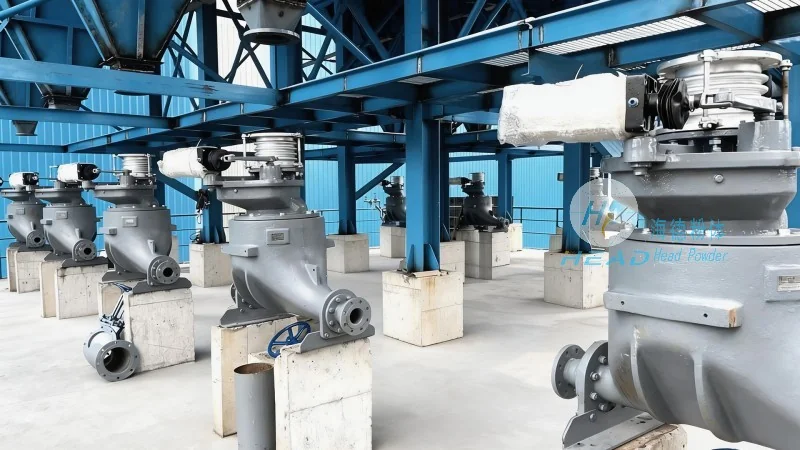
HeadPowder: Your Expert in Pneumatic Conveying Solutions
Shandong HeadPowder Engineering Co., Ltd., commonly known as HeadPowder, is a leading provider of advanced pneumatic conveying systems tailored to the needs of various industries. With a strong commitment to innovation and quality, HeadPowder specializes in designing and manufacturing equipment that ensures reliable and efficient material transport. The company’s expertise in calcium oxide powder handling has made it a trusted partner for businesses seeking to optimize their material handling processes.
Understanding Positive Pressure Conveying
Positive pressure conveying, also known as pressure pneumatic conveying, operates by blowing air or gas into the conveying line, creating a positive pressure environment. This method is ideal for transporting materials over long distances or through complex system layouts. In the case of calcium oxide powder, positive pressure systems are often preferred when the material needs to be delivered to multiple destinations or when the process requires high flow rates. The positive pressure approach ensures that the material is continuously pushed through the system, reducing the risk of clogging and maintaining consistent flow rates.
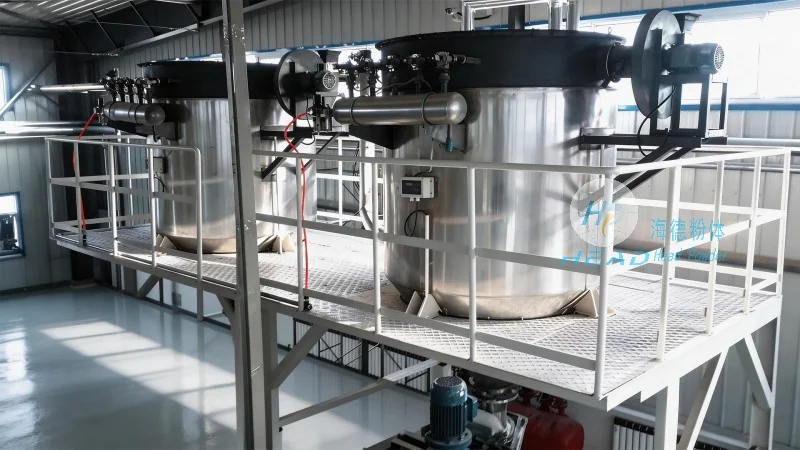
Key Features of Positive Pressure Conveying for Calcium Oxide Powder
Positive pressure conveying systems for calcium oxide powder typically include high-pressure blowers, flexible hoses, and specialized nozzles. These components work together to create a consistent pressure differential that propels the powder through the pipeline. The use of positive pressure also allows for the integration of multiple receiving points, making it suitable for large-scale production facilities. Additionally, this method is effective in preventing dust contamination, as the sealed system keeps the powder contained within the conveying line.
Advantages of Positive Pressure Conveying
One of the main advantages of positive pressure conveying is its ability to handle high volumes of material with minimal maintenance. The continuous flow of air or gas ensures that the powder remains in suspension, reducing the likelihood of blockages. This method is also more energy-efficient compared to negative pressure systems, as it requires less power to maintain the pressure differential. Furthermore, positive pressure conveying is well-suited for applications where the material needs to be delivered to elevated or remote locations, as the pressure can be adjusted to overcome elevation changes.
Challenges and Considerations with Positive Pressure Conveying
Despite its benefits, positive pressure conveying has some limitations. The high-pressure components require regular maintenance to ensure safe operation, and the system can be more expensive to install and maintain compared to negative pressure systems. Additionally, the sealed nature of the system may pose challenges when dealing with materials that are sensitive to moisture or air exposure. For calcium oxide powder, which can be hygroscopic, this may require additional measures to prevent moisture absorption during transport.
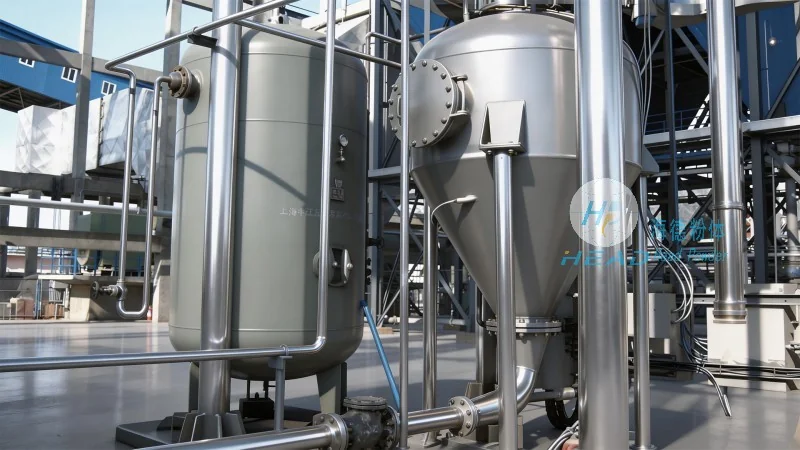
Understanding Negative Pressure Conveying
Negative pressure conveying, or vacuum pneumatic conveying, operates by creating a vacuum in the conveying line, drawing the material into the system. This method is commonly used for short-distance transport or when the material needs to be collected from multiple sources. In the context of calcium oxide powder, negative pressure systems are often employed in applications where the material is to be transferred from a hopper or silo to a processing unit, such as a mixer or reactor. The vacuum created by the system ensures that the powder is drawn into the pipeline without the need for external pressure.
Key Features of Negative Pressure Conveying for Calcium Oxide Powder
Negative pressure conveying systems for calcium oxide powder typically include vacuum pumps, collection hoppers, and flexible ducts. The vacuum pump creates a pressure differential that pulls the powder from the source into the conveying line. The system is designed to handle materials that are prone to dust generation, as the sealed collection hopper prevents dust from escaping into the environment. For calcium oxide powder, which is a fine, dry material, negative pressure conveying is effective in maintaining a clean and safe working environment.