

Compressed Air Conveying of Lithium-Ion Battery Nanomaterials: A Comparative Analysis of Positive Pr
HeadPowder, a leading engineering company based in Shandong, China, specializes in the design and implementation of advanced material handling solutions. In the context of lithium-ion battery production, the efficient and safe transport of nanomaterials is critical. This article provides a detailed comparison of two primary pneumatic conveying methods: positive pressure conveying and negative pressure conveying, focusing on their applications, advantages, and practical considerations.
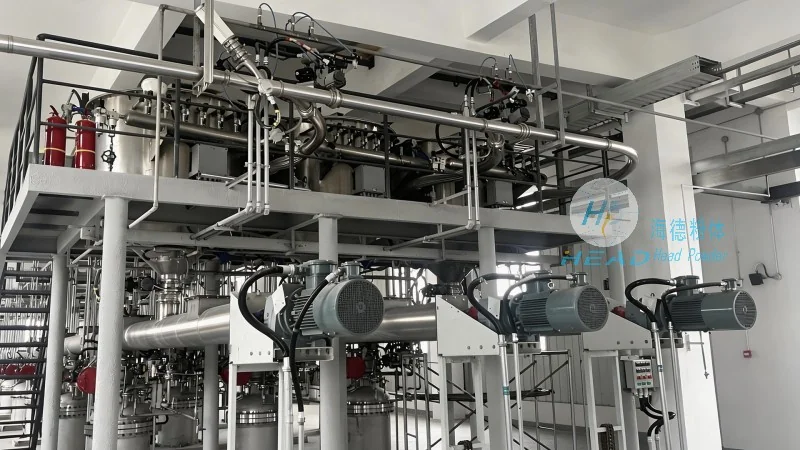
Introduction to Pneumatic Conveying in Lithium-Ion Battery Manufacturing
Lithium-ion battery nanomaterials, such as graphite, silicon, and various cathode materials, require precise handling due to their fine particle size and potential health hazards. Pneumatic conveying offers a non-contact, dust-free method to transport these materials from storage to processing units. The choice between positive and negative pressure systems depends on factors like material properties, system layout, and operational requirements.
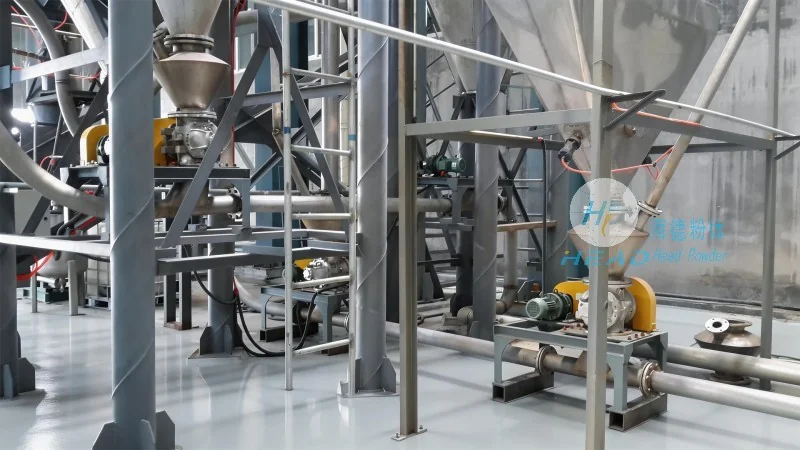
Positive Pressure Conveying: Advantages and Applications
Positive pressure conveying, also known as pressure conveying, operates by blowing air or a carrier gas into the conveying line, creating a pressure higher than the ambient air. This method is particularly effective for transporting materials over longer distances or through complex piping systems. One of the key advantages is its ability to handle abrasive or sticky materials without causing excessive wear on the system components. HeadPowder’s engineering expertise ensures that positive pressure systems are optimized for high-volume throughput, minimizing downtime and maximizing productivity in battery manufacturing facilities.
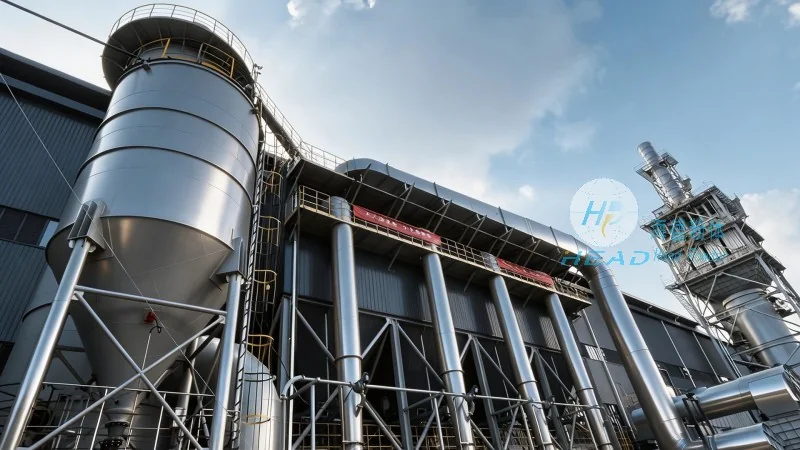
Negative Pressure Conveying: Benefits and Operational Considerations
Negative pressure conveying, or vacuum conveying, works by creating a vacuum in the conveying line, drawing material from the source into the system. This approach is often preferred for shorter distances and when handling materials that are light or prone to dust generation. A significant benefit is the reduced risk of dust emissions compared to positive pressure systems, as the material is drawn rather than blown. However, negative pressure systems may require more robust filtration to prevent particle loss and ensure environmental compliance. HeadPowder’s solutions incorporate advanced filtration technologies to maintain air quality while maintaining efficient material transport.
Key Factors Influencing the Choice Between Conveying Methods
The selection of either positive or negative pressure conveying for lithium-ion battery nanomaterials involves evaluating several critical factors. Material characteristics, such as particle size, density, and moisture content, directly impact system performance. For instance, very fine particles may require higher air velocities in positive pressure systems to prevent clogging, while negative pressure systems might struggle with light, low-density materials. System layout and available space also play a role; positive pressure systems are better suited for horizontal or slightly inclined runs, whereas negative pressure systems can handle vertical lifts more effectively. Additionally, operational costs, including energy consumption and maintenance requirements, must be considered. HeadPowder conducts thorough feasibility studies to match the most suitable conveying method to each client's specific needs, ensuring optimal performance and cost-effectiveness.
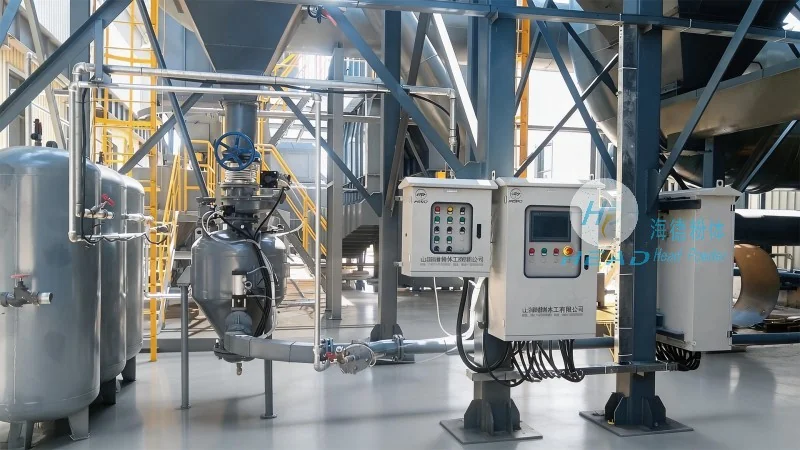
HeadPowder's Expertise in Material Handling Solutions
As a trusted partner in the battery industry, HeadPowder Engineering Co., Ltd. leverages decades of experience to deliver customized pneumatic conveying systems. The company’s engineers work closely with clients to assess material properties, process requirements, and site constraints, developing tailored solutions that enhance safety, efficiency, and product quality. Whether implementing positive pressure or negative pressure systems, HeadPowder ensures compliance with industry standards and environmental regulations. The company’s commitment to innovation and quality has made it a preferred choice for manufacturers seeking reliable material handling solutions for lithium-ion battery production.