

Application of Pneumatic Conveying in the Bulk Handling of Mung Beans
For businesses involved in the agricultural processing industry, especially those dealing with mung beans, efficient and reliable bulk material handling is crucial. Among the various methods available, pneumatic conveying stands out as a highly effective solution for transporting mung beans in bulk. This article explores the application of pneumatic conveying systems in the context of mung bean bulk handling, highlighting the benefits, considerations, and practical implementation of such systems.
Understanding Pneumatic Conveying Systems
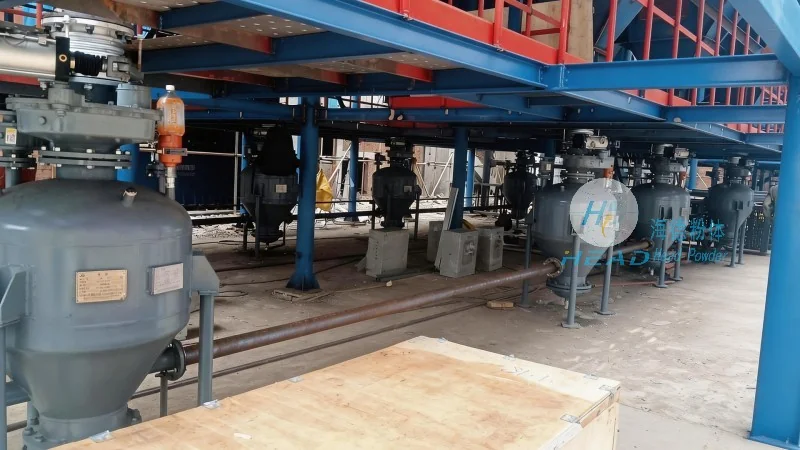
Pneumatic conveying, also known as pneumatic transport, is a technology that uses air or other gases to move bulk materials through a pipeline. This method is particularly suitable for transporting granular or powdery materials like mung beans, offering advantages such as low maintenance, minimal product damage, and the ability to handle materials over long distances without the need for intermediate storage or transfer points. The core components of a pneumatic conveying system typically include a hopper for material storage, a conveyor line (often made of metal or plastic pipes), a blower or air compressor to generate the necessary airflow, and a receiver or discharge unit to collect the conveyed material.
Key Benefits of Pneumatic Conveying for Mung Beans
When applied to mung bean bulk handling, pneumatic conveying systems offer several key benefits that enhance operational efficiency and product quality. Firstly, the system minimizes product contamination and damage during transport. Unlike mechanical systems that may cause abrasion or breakage, pneumatic conveying uses air to gently move the beans, preserving their physical integrity and quality. Secondly, it provides a hygienic and clean environment, which is essential for food-grade products like mung beans. The enclosed pipeline system prevents exposure to dust, moisture, or external contaminants, ensuring compliance with food safety standards. Thirdly, pneumatic conveying can handle materials over long distances and varying elevations with ease. By adjusting the air pressure and flow rate, the system can transport mung beans from one location to another, even if there are significant height differences, without the need for additional equipment like elevators or conveyors. This flexibility makes it ideal for large-scale processing facilities where space and layout are critical factors.
System Design and Customization for Mung Bean Handling
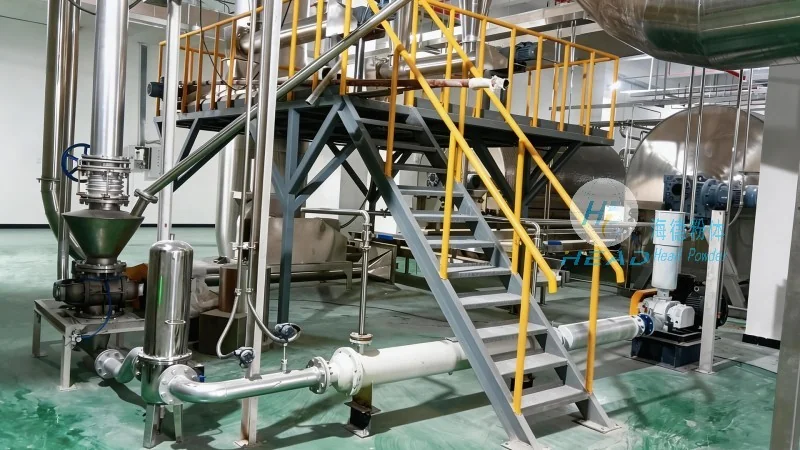
The effectiveness of a pneumatic conveying system for mung beans depends significantly on its design and customization to meet specific operational requirements. Shandong HeadPowder Engineering Co., Ltd., a leading provider of bulk material handling solutions, specializes in designing and manufacturing customized pneumatic conveying systems tailored to the unique needs of mung bean processors. The company's engineers work closely with clients to assess their production volume, material characteristics, and facility layout to develop an optimal system configuration. For instance, the system may include features such as a pre-cleaner to remove foreign objects or dust from the mung beans before conveying, a de-duster to reduce dust levels in the air stream, and a pressure regulator to maintain consistent airflow. These components ensure that the conveying process is efficient, reliable, and safe.
Operational Considerations and Maintenance
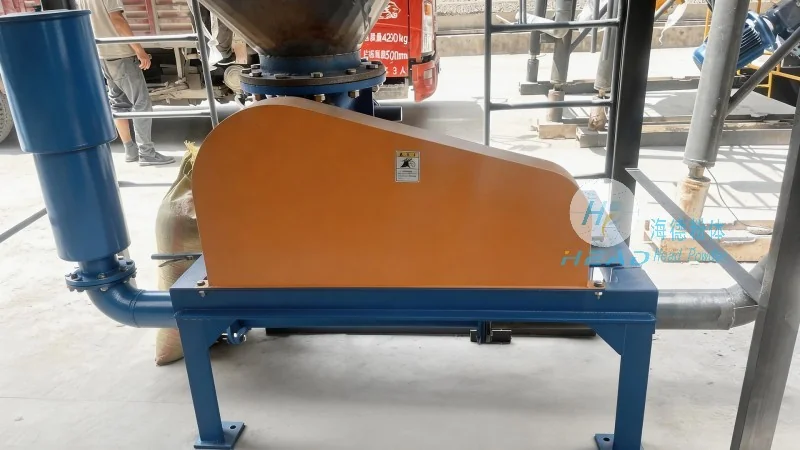
While pneumatic conveying offers numerous advantages, proper operation and maintenance are essential to maximize its performance and lifespan. Regular maintenance of the blower or air compressor is crucial to ensure consistent airflow and pressure. Filters and cleaning systems should be checked and replaced as needed to prevent clogging and maintain air quality. The conveyor lines should be inspected for any signs of wear or damage, such as cracks or leaks, which could affect the system's efficiency. Additionally, the hopper and receiver units should be cleaned regularly to prevent the buildup of material residue, which can lead to blockages or contamination. By following these operational guidelines, mung bean processors can ensure that their pneumatic conveying systems operate smoothly and reliably, minimizing downtime and maximizing productivity.
Conclusion
In conclusion, pneumatic conveying is a highly effective and efficient method for the bulk handling of mung beans. By leveraging the power of air to transport materials, this technology offers benefits such as minimal product damage, hygienic operation, and flexibility in system design. Companies like Shandong HeadPowder Engineering Co., Ltd. play a vital role in providing customized pneumatic conveying solutions that meet the specific needs of mung bean processors, helping them to enhance their operational efficiency and product quality. As the demand for reliable bulk material handling continues to grow in the agricultural processing industry, pneumatic conveying remains a preferred choice for businesses looking to optimize their mung bean handling processes.