

What is Fine Sand Pneumatic Conveying? Classification and Applications of Pneumatic Conveying
Understanding fine sand pneumatic conveying is crucial for industries that handle fine particulate materials. This method involves transporting dry bulk materials through a pipeline using a stream of pressurized air or other gas. The process is particularly effective for materials like fine sand, which are challenging to transport via traditional methods due to their fine particle size and potential for dust generation.
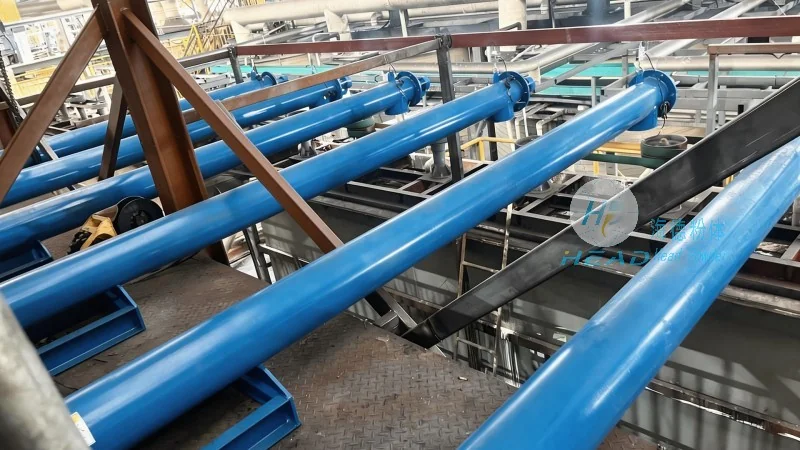
At Shandong HeadPowder Engineering Co., Ltd., we specialize in providing advanced solutions for pneumatic conveying systems. Our expertise lies in designing and manufacturing equipment that ensures efficient and reliable transport of fine sand and similar materials, addressing the unique challenges posed by such materials.
Classification of Pneumatic Conveying Systems
Pneumatic conveying systems are broadly classified into two main categories: pressure and vacuum systems. Each type has distinct characteristics and is suitable for different material properties and application requirements.
Pressure systems operate by introducing air or gas under pressure into the material to be conveyed. The material is then forced through the pipeline by the pressurized air. This method is ideal for materials that are free-flowing and non-abrasive, as it minimizes wear on the system components. Pressure systems are commonly used in industries such as food processing, pharmaceuticals, and chemical manufacturing.
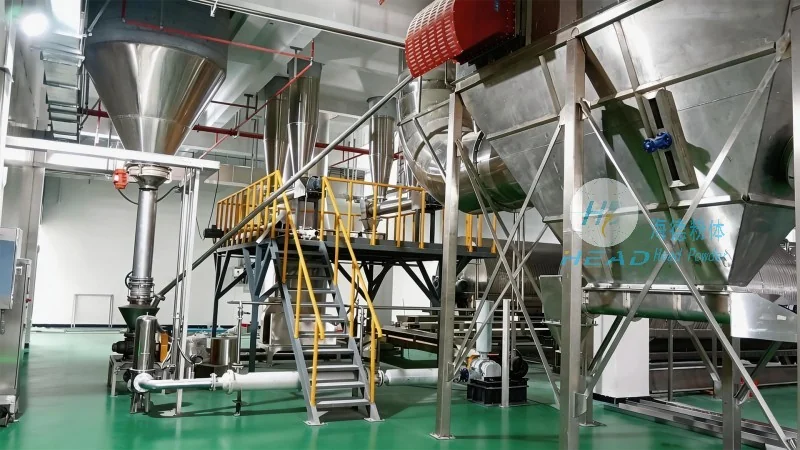
Vacuum systems, on the other hand, use a vacuum to draw material from a hopper or storage bin into the conveying line. The material is then carried by the suction created by the vacuum pump. Vacuum systems are particularly effective for materials that are difficult to feed or require gentle handling, as they reduce the risk of material degradation. These systems are widely used in applications involving powders and granules that are sensitive to pressure or mechanical stress.
Applications of Pneumatic Conveying in Various Industries
Pneumatic conveying is widely used across multiple industries due to its versatility and efficiency. In the construction industry, it is used to transport fine sand and other aggregates from storage to mixing plants, ensuring a consistent supply of materials for concrete production. The method minimizes dust exposure and improves material handling safety compared to traditional bucket elevators or belt conveyors.
In the chemical industry, pneumatic conveying is essential for transporting fine powders, such as pigments and additives, from storage tanks to processing equipment. The system ensures that the materials are transported without contamination, maintaining the quality and purity of the final products. This is particularly important in pharmaceutical and food industries where product integrity is critical.
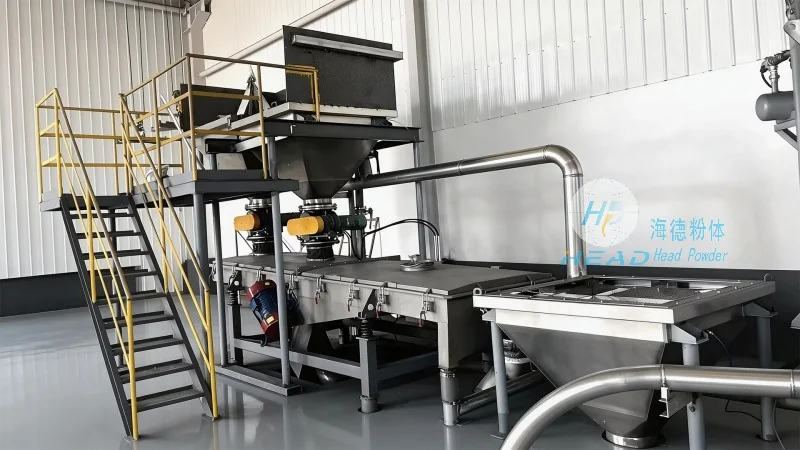
In the food processing sector, pneumatic conveying is used to transport fine powders like flour, sugar, and spices. The system is designed to be hygienic and easy to clean, meeting the stringent regulations of the food industry. By using air as the conveying medium, the risk of cross-contamination is significantly reduced, ensuring the safety and quality of the food products.
Advantages of Fine Sand Pneumatic Conveying
Compared to traditional material handling methods, fine sand pneumatic conveying offers several advantages. One of the key benefits is the ability to transport materials over long distances with minimal loss. The system also reduces the need for manual handling, improving workplace safety and reducing labor costs. Additionally, pneumatic conveying systems are more flexible and can be easily integrated into existing production lines, allowing for seamless material flow.
Another advantage is the ability to handle fine and abrasive materials without causing excessive wear on the equipment. The design of the conveying lines and components is optimized to withstand the abrasive nature of fine sand, ensuring a longer service life and lower maintenance costs. This makes pneumatic conveying a cost-effective solution for industries that deal with such materials on a regular basis.

Challenges and Solutions in Fine Sand Pneumatic Conveying
While pneumatic conveying is highly effective, it also presents some challenges. One of the main issues is the potential for material buildup or blockages in the pipeline, especially with fine sand that has a tendency to stick to the walls. To address this, HeadPowder Engineering Co., Ltd. designs systems with features such as pulsation or vibration to prevent blockages and ensure smooth material flow.
Another challenge is the risk of dust explosion in certain environments. To mitigate this risk, our systems incorporate explosion-proof designs and dust collection systems. These features ensure that the conveying process is safe and compliant with industry regulations. By addressing these challenges, our solutions provide reliable and safe operation for our clients.
Conclusion
Fine sand pneumatic conveying is a highly effective method for transporting fine particulate materials, offering numerous advantages over traditional handling methods. At Shandong HeadPowder Engineering Co., Ltd., we are committed to providing innovative and reliable solutions that meet the specific needs of our clients. Our expertise in pneumatic conveying systems ensures that we deliver high-quality equipment and services that enhance productivity and safety in various industries.