

The Role of Pneumatic Conveying in Calcium Oxide Dry Powder Transport
Calcium oxide, commonly known as quicklime, is a critical industrial material used in various applications such as steel production, water treatment, and chemical manufacturing. The efficient and safe transport of calcium oxide dry powder is essential for maintaining production efficiency and ensuring product quality. Pneumatic conveying technology has emerged as a preferred method for handling this material due to its ability to handle fine powders with high precision and minimal product degradation.
Understanding Pneumatic Conveying Systems
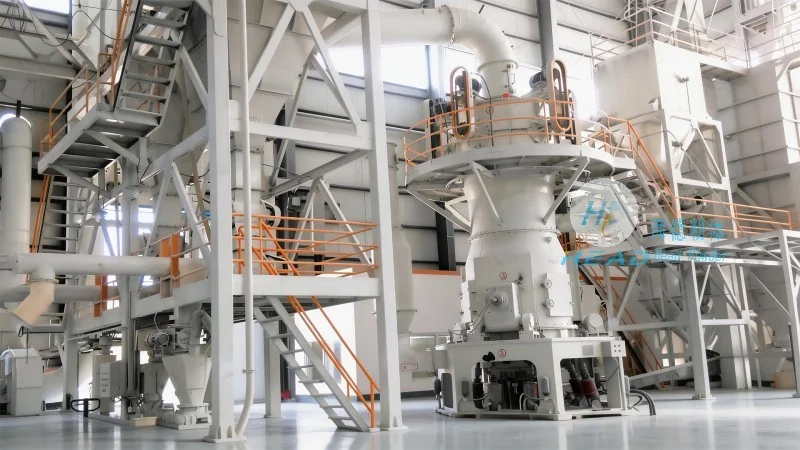
Pneumatic conveying systems utilize air or other gases to transport bulk materials like calcium oxide through a pipeline network. These systems can be categorized into two main types: dilute-phase and dense-phase. Dilute-phase systems use low air-to-solid ratios, making them suitable for long-distance transport and high-capacity applications. Dense-phase systems, on the other hand, use higher air-to-solid ratios, which are ideal for handling sensitive materials that require gentle handling and minimal particle breakage. The choice between these systems depends on factors such as material properties, distance, and required flow rates.

The Advantages of Pneumatic Conveying for Calcium Oxide
When it comes to transporting calcium oxide dry powder, pneumatic conveying offers several advantages over traditional methods like belt conveyors or bucket elevators. One of the key benefits is the ability to handle fine, abrasive powders without causing excessive wear on equipment. Calcium oxide is a highly reactive material that can degrade if exposed to moisture or air, and pneumatic systems can minimize exposure to these elements by keeping the material enclosed within the pipeline. Additionally, pneumatic conveying allows for precise control over flow rates and pressure, enabling better process integration and reduced material loss. The technology also reduces the risk of dust explosions compared to other bulk material handling methods, enhancing workplace safety.
HeadPowder's Expertise in Pneumatic Conveying Solutions
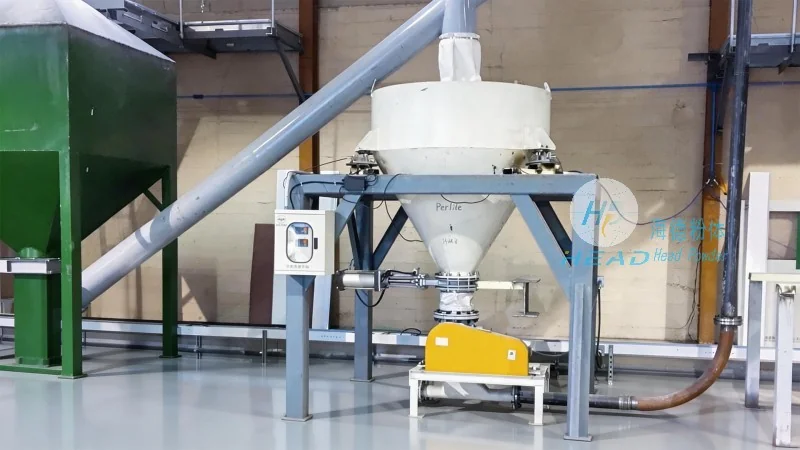
Shandong HeadPowder Engineering Co., Ltd., commonly known as HeadPowder, is a leading provider of pneumatic conveying solutions tailored to the needs of calcium oxide and other industrial powders. With years of experience in the field, HeadPowder specializes in designing and manufacturing customized systems that optimize material transport efficiency while ensuring compliance with industry standards. The company's team of engineers and technicians works closely with clients to assess their specific requirements, from material characteristics to operational constraints, and develops tailored solutions that address unique challenges such as material segregation or pressure drop issues. HeadPowder's commitment to quality and innovation has made it a trusted partner for many industrial facilities seeking reliable and efficient powder handling systems.
Key Considerations for Implementing Pneumatic Conveying in Calcium Oxide Handling
Implementing a pneumatic conveying system for calcium oxide requires careful consideration of several factors to ensure optimal performance and longevity. First, the material's physical properties, including particle size distribution, moisture content, and abrasiveness, must be thoroughly evaluated. These characteristics influence the selection of system components such as pumps, filters, and pipeline materials. For calcium oxide, which is highly reactive and can cause corrosion in certain materials, choosing corrosion-resistant components like stainless steel or special alloys is crucial. Second, the system's design must account for the material's reactivity and potential for dust formation. Proper sealing and filtration are essential to prevent contamination and maintain air quality. Third, the system's capacity and flow rate must be matched to the production needs of the facility. Overloading the system can lead to pressure buildup and reduced efficiency, while underloading may result in increased energy consumption. HeadPowder provides comprehensive consultation services to help clients navigate these considerations and select the most suitable pneumatic conveying solution for their calcium oxide handling requirements.
Conclusion: Enhancing Calcium Oxide Transport with Pneumatic Conveying
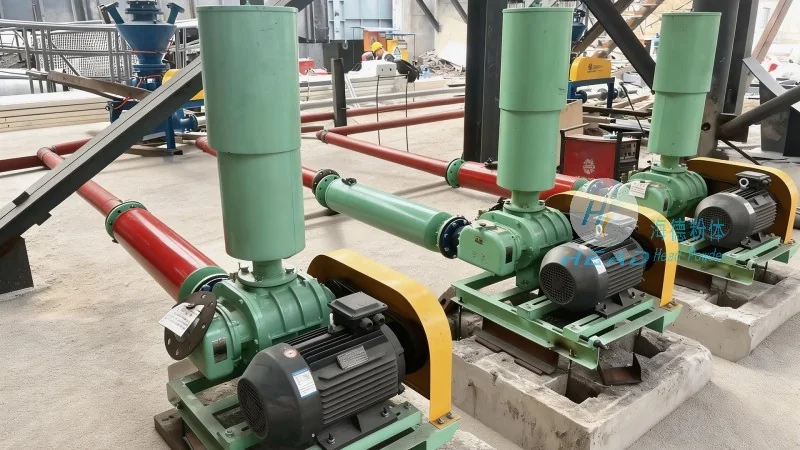
Pneumatic conveying has revolutionized the way calcium oxide dry powder is transported in industrial settings, offering a reliable and efficient alternative to traditional methods. By leveraging the expertise of companies like Shandong HeadPowder Engineering Co., Ltd., industrial facilities can implement customized pneumatic conveying systems that meet their specific needs while ensuring product integrity and workplace safety. As the demand for calcium oxide continues to grow, the role of advanced powder handling technologies like pneumatic conveying will become increasingly critical in maintaining production efficiency and meeting industry standards. With its commitment to quality and innovation, HeadPowder remains at the forefront of providing solutions that enhance the performance and reliability of calcium oxide transport systems.