

Efficient Pneumatic Conveying Systems for Solving Dry Stone Powder Transport Challenges
Pneumatic conveying systems have emerged as a reliable and efficient solution for transporting dry stone powders, addressing the common challenges associated with traditional methods such as dust, spillage, and material degradation. These systems utilize air pressure to move powders through pipelines, offering a clean, enclosed, and automated approach to material handling. By leveraging compressed air or vacuum, the technology ensures that dry stone powders are transported safely and effectively, minimizing the risks associated with manual or open-air transport methods.
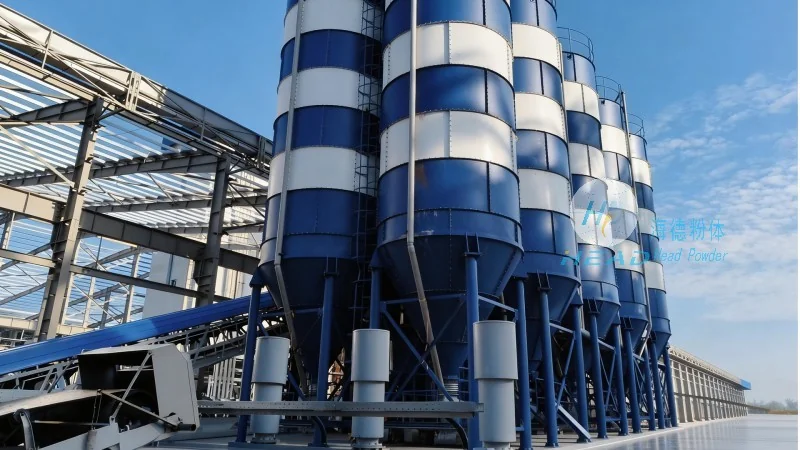
The Challenges of Traditional Dry Stone Powder Transport Methods
Historically, dry stone powders have been transported using methods like bucket elevators, belt conveyors, or manual handling. However, these approaches often lead to issues such as dust dispersion, material segregation, and increased risk of contamination. For instance, bucket elevators can cause particle breakage and dust generation, while belt conveyors may suffer from material buildup and spillage. Additionally, traditional systems may require frequent maintenance and are less adaptable to varying production volumes, leading to operational inefficiencies and higher costs.
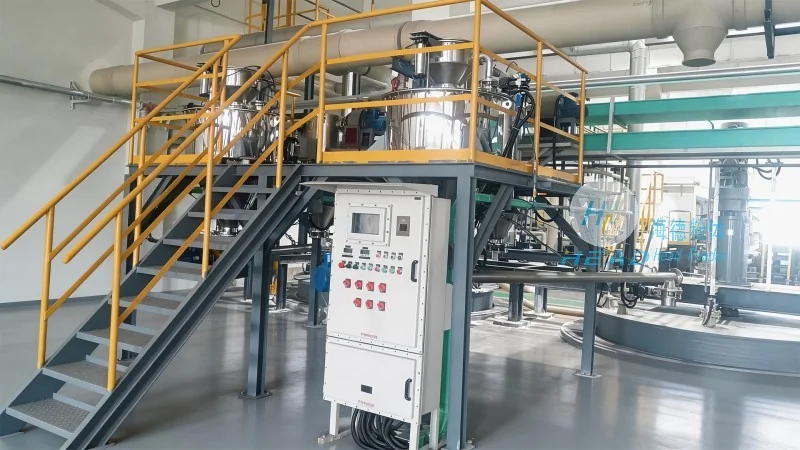
How Pneumatic Conveying Systems Address These Challenges
Pneumatic conveying systems effectively mitigate these issues by providing a sealed environment that prevents dust from escaping into the workplace. The enclosed pipeline design ensures that the material remains intact and free from external contaminants, maintaining the quality and consistency of the dry stone powder. Furthermore, these systems can handle a wide range of particle sizes and flow rates, making them suitable for diverse production needs. The technology also supports flexible configurations, allowing for integration with existing production lines without major modifications.
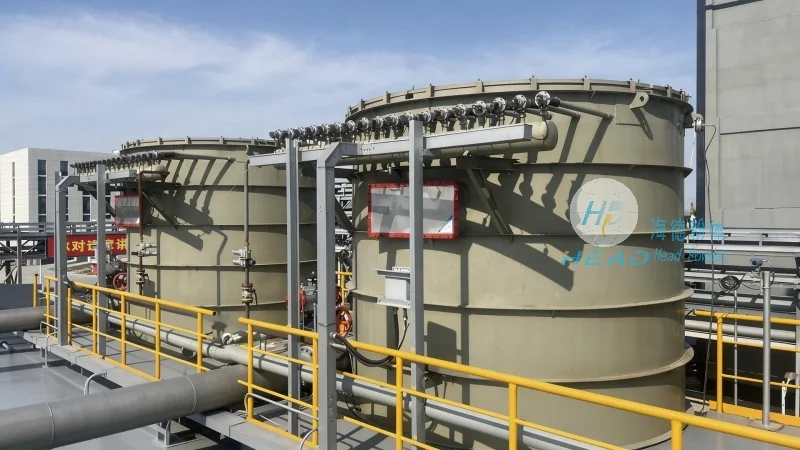
Key Features and Advantages of the Systems
The systems offered by Shandong HeadPowder Engineering Co., Ltd. are equipped with advanced features that enhance performance and reliability. Key advantages include high efficiency in material transport, reduced labor costs due to automation, and improved safety by minimizing human exposure to dust. The technology also offers energy efficiency, as the systems can be optimized to use minimal air pressure while maintaining optimal flow rates. Additionally, the enclosed design reduces material loss and the need for additional cleaning measures, contributing to overall cost savings.
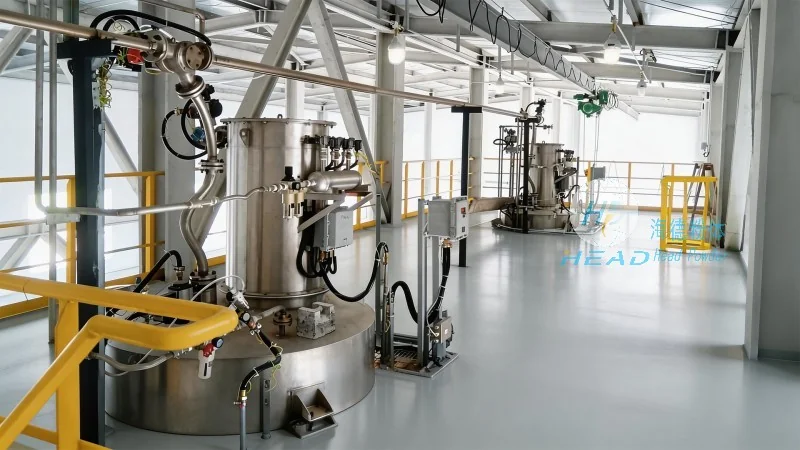
Application Scenarios and Practical Benefits
These systems are widely applied in industries such as construction, mining, and chemical processing. For example, in construction, they are used to transport cement and other dry powders to job sites, ensuring consistent quality and reducing waste. In mining, the systems help in moving ore powders from processing facilities to storage areas, improving operational efficiency and reducing the risk of material loss. The practical benefits extend to cost savings, as the enclosed design reduces material loss and the need for additional cleaning measures. Furthermore, the automation provided by these systems enhances productivity and reduces the reliance on manual labor, leading to a more streamlined and efficient workflow.