

Classification and Application Analysis of Coal and Coke Pneumatic Conveying Systems
Coal and coke are fundamental raw materials across multiple industrial sectors, including steel production, power generation, and chemical manufacturing. The efficient transportation of these bulk materials is critical for sustaining production efficiency and minimizing operational expenses. Pneumatic conveying systems have emerged as a dependable and versatile solution for handling coal and coke, offering benefits such as low maintenance, reduced dust generation, and the capability to transport materials over extended distances. This article provides a comprehensive classification of coal and coke pneumatic conveying systems and analyzes their practical applications in industrial settings.
Classification of Coal and Coke Pneumatic Conveying Systems
Coal and coke pneumatic conveying systems can be broadly categorized based on the pressure utilized during operation. The primary classifications include:
1. Dilute Phase Pneumatic Conveying - This system operates at low pressure, typically below 0.7 bar. It involves the transport of particles in a dilute suspension within the conveying air. Dilute phase systems are suitable for short to medium distances and are commonly employed for transporting fine coal or coke powders. The design of dilute phase systems focuses on maintaining particle velocity above the minimum fluidization velocity to prevent particle settling.
2. Dense Phase Pneumatic Conveying - Also known as low-pressure or pressure-assisted systems, dense phase conveying operates at higher pressure, usually between 0.7 to 2.0 bar. In this method, the material is transported in a dense slurry, with particles moving in a plug flow. Dense phase systems are ideal for transporting bulk materials over longer distances and are particularly effective for handling abrasive or sensitive materials like coke. The system ensures minimal degradation of the material and reduces the risk of blockages.
3. High-Pressure Pneumatic Conveying - These systems operate at pressures exceeding 2.0 bar, often up to 10 bar or more. High-pressure conveying is suitable for very long distances and for transporting materials with high moisture content or high abrasiveness. The high pressure ensures that the material is conveyed in a dense phase, minimizing the risk of particle separation and ensuring consistent flow.
Furthermore, pneumatic conveying systems can be classified based on the type of air flow, such as positive pressure, negative pressure, or a combination of both. Positive pressure systems use compressed air to push the material forward, while negative pressure systems use suction to draw the material. The choice of system depends on the specific requirements of the application, including the distance, material characteristics, and environmental considerations.
Key Components of Coal and Coke Pneumatic Conveying Systems
Regardless of the classification, coal and coke pneumatic conveying systems consist of several key components that work in unison to ensure efficient material transport. These components include:
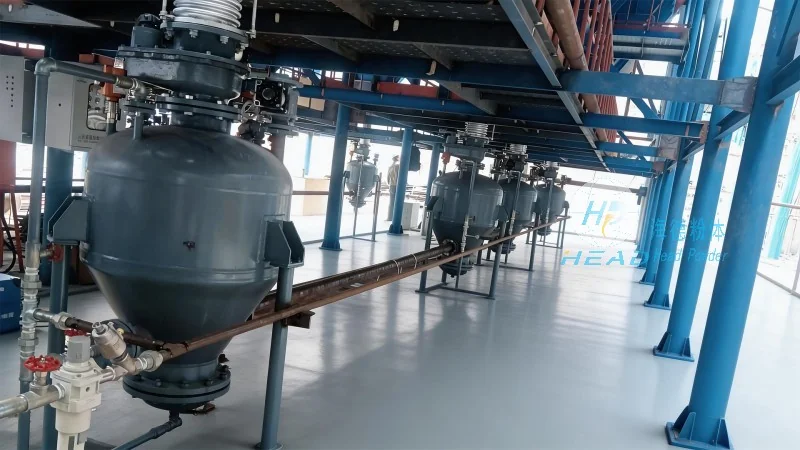
1. Hopper and Feeder - The hopper is used to store the coal or coke, and the feeder regulates the flow of material into the conveying line. The feeder can be a rotary valve, a screw feeder, or a vibratory feeder, depending on the material characteristics and the required flow rate. The hopper is designed to prevent material bridging and ensure a consistent feed to the system.
2. Conveying Line - The conveying line is typically made of stainless steel or other corrosion-resistant materials to handle the abrasive nature of coal and coke. The line is equipped with elbows, bends, and straight sections to guide the material along the desired path. The diameter of the line is chosen based on the particle size and the flow rate to ensure that the material is conveyed at the appropriate velocity.
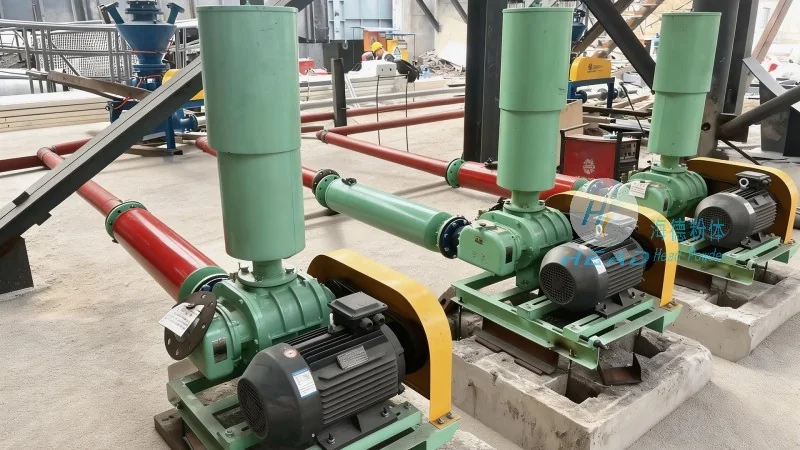
3. Air Compressor or Vacuum Pump - The air compressor or vacuum pump provides the necessary pressure or suction to move the material through the conveying line. For positive pressure systems, a high-pressure air compressor is used, while for negative pressure systems, a vacuum pump is employed. The selection of the compressor or pump depends on the system pressure, flow rate, and the specific requirements of the application.
4. Control System - The control system monitors and regulates the operation of the pneumatic conveying system. It includes sensors for pressure, flow rate, and material level, as well as control valves and actuators. The control system ensures that the system operates within safe and efficient parameters, preventing overpressure or underflow conditions.
Applications of Coal and Coke Pneumatic Conveying Systems
Coal and coke pneumatic conveying systems are widely utilized in various industrial applications, including:
1. Steel Production - In steel mills, coal and coke are used as fuel and reducing agents. Pneumatic conveying systems are used to transport coal and coke from storage silos to the blast furnace or other processing units. The systems ensure a continuous and reliable supply of raw materials, which is critical for maintaining production schedules.
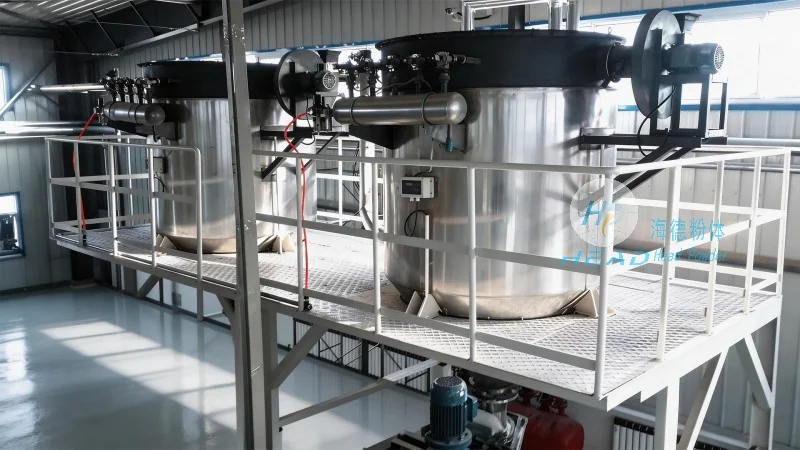
2. Power Generation - Coal-fired power plants rely on large quantities of coal for energy production. Pneumatic conveying systems are used to transport coal from storage areas to the boiler or pulverizer. The systems help in reducing the time and labor required for manual handling and improve the overall efficiency of the power plant.
3. Chemical Manufacturing - In chemical plants, coal and coke are used as raw materials for the production of various chemicals, such as coke oven gas and coal tar. Pneumatic conveying systems are used to transport these materials between different processing units, ensuring a smooth and continuous production process.
4. Mining and Mineral Processing - In mining operations, coal and coke are extracted from the earth and need to be transported to processing facilities. Pneumatic conveying systems are used to transport the extracted materials over long distances, reducing the need for trucks and other heavy machinery.
Each application requires a specific type of pneumatic conveying system, tailored to the material characteristics, distance, and operational requirements. The choice of system is based on factors such as the particle size distribution, moisture content, and abrasiveness of the material, as well as the required flow rate and distance of transport.
Advantages and Considerations of Coal and Coke Pneumatic Conveying Systems
Pneumatic conveying systems offer several advantages over traditional bulk material handling methods, such as belt conveyors or trucks. These advantages include:
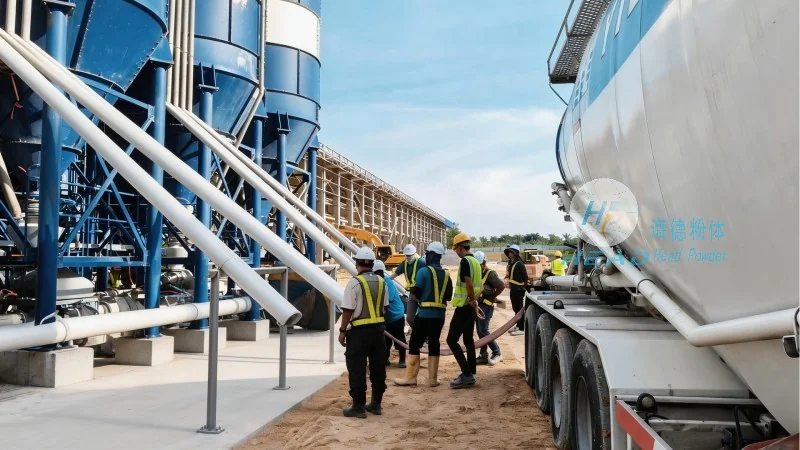
1. Reduced Labor and Maintenance - Pneumatic conveying systems require less manual labor for loading and unloading, as the material is transported automatically. The systems also have lower maintenance requirements compared to mechanical conveyors, as there are fewer moving parts.
2. Minimal Dust Generation - Unlike mechanical conveyors, pneumatic systems are enclosed, which helps in reducing dust emissions and improving workplace safety. This is particularly important in industries where dust is a health hazard.
3. Flexibility in Layout - Pneumatic conveying systems can be easily integrated into existing industrial layouts, allowing for flexible design and adaptation to changing production needs.
4. Lower Capital Investment - For short to medium distances, pneumatic conveying systems may have a lower initial capital cost compared to other bulk handling solutions. However, for long distances, the cost may be higher due to the need for high-pressure equipment.
Despite these advantages, there are also considerations to keep in mind when implementing coal and coke pneumatic conveying systems. These include the need for proper material preparation, such as drying and screening, to ensure that the material is suitable for conveying. Additionally, the system must be designed to handle the abrasive nature of coal and coke, which can cause wear and tear on the components. Regular maintenance and inspection are essential to ensure the longevity and efficiency of the system.
Conclusion
Coal and coke pneumatic conveying systems are a vital component in the efficient handling of bulk materials in various industrial applications. The classification of these systems based on pressure and air flow allows for the selection of the most appropriate system for a given application. By understanding the key components, advantages, and considerations of these systems, industries can make informed decisions to improve their material handling processes and reduce operational costs. As technology advances, the design and efficiency of pneumatic conveying systems continue to improve, offering even more reliable and cost-effective solutions for bulk material transport.