

Classification and Application Analysis of Iron Chip Pneumatic Conveying Systems
Iron chip pneumatic conveying systems are essential equipment in various industrial processes, particularly in the metalworking and recycling sectors. These systems utilize air pressure to transport iron chips and other particulate materials efficiently. Understanding the classification and application of such systems is crucial for optimizing material handling operations and improving overall productivity. This analysis is presented by Shandong HeadPowder Engineering Co., Ltd., a leading provider of industrial material handling solutions based in China, with a focus on delivering high-quality and reliable pneumatic conveying systems for diverse industrial applications.
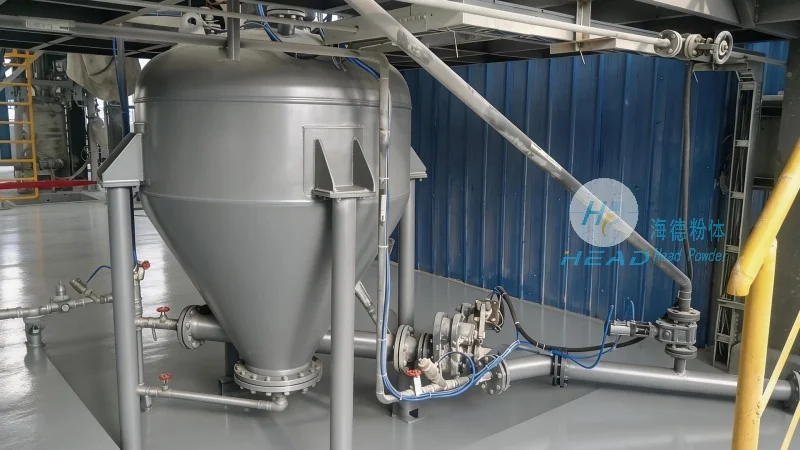
Introduction to Iron Chip Pneumatic Conveying Systems
Iron chip pneumatic conveying systems are designed to transport iron chips, metal shavings, and other fine or coarse particulate materials from one location to another within an industrial facility. The core principle involves using compressed air or negative pressure to move the material through a pipeline network. This method offers several advantages over traditional mechanical conveying methods, including reduced labor costs, minimized material damage, and enhanced safety by eliminating the need for manual handling of heavy or hazardous materials. The effectiveness of these systems is directly tied to their ability to handle the specific characteristics of iron chips, such as particle size, density, and moisture content.
Key Components of Iron Chip Pneumatic Conveying Systems
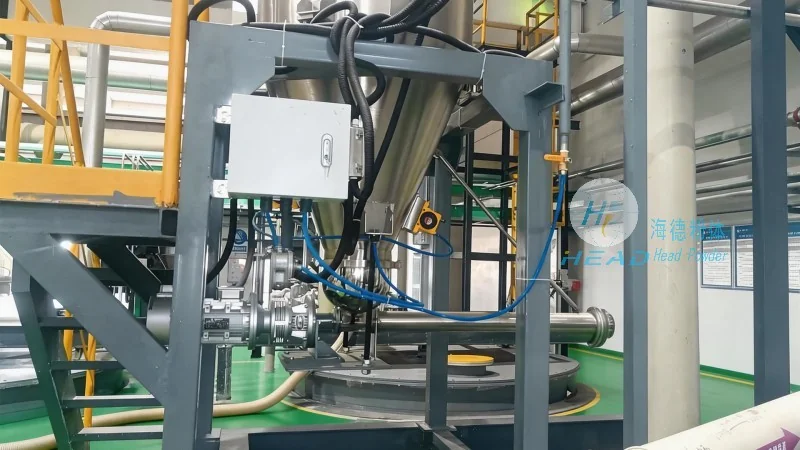
The effectiveness of an iron chip pneumatic conveying system depends on its key components, which work in tandem to ensure smooth material transport. These components typically include a material feeder, a conveying pipeline, a pressure or vacuum source, a control system, and a collection or discharge unit. The material feeder is responsible for introducing the iron chips into the system, while the pipeline transports them to the desired destination. The pressure or vacuum source provides the necessary force to move the material through the pipeline, and the control system regulates the flow and pressure to maintain optimal operation. The collection or discharge unit then receives the material at the end of the conveying process. Each component must be carefully selected and configured to match the specific requirements of the iron chip material being handled, ensuring efficient and reliable operation.
Classification of Iron Chip Pneumatic Conveying Systems
Iron chip pneumatic conveying systems can be classified based on several factors, including the conveying method, material characteristics, and system design. The primary classification is between pressure and vacuum systems. Pressure systems use compressed air to push the material forward, while vacuum systems use a vacuum to pull the material. Within these categories, sub-classifications exist based on the type of material being conveyed, such as dry or wet iron chips, and the particle size and density of the material. The choice between pressure and vacuum systems often depends on the conveying distance, material properties, and operational constraints of the industrial facility.
Pressure Pneumatic Conveying Systems
Pressure pneumatic conveying systems are commonly used for transporting iron chips over longer distances or through complex pipeline networks. These systems operate by introducing compressed air into the material feeder, which then forces the iron chips through the pipeline. The pressure is maintained at a consistent level to ensure continuous material flow. Pressure systems are particularly effective for handling dry iron chips, as they can maintain the material's integrity and prevent clogging. However, they require a robust air compressor and may generate higher noise levels compared to vacuum systems. The design of pressure systems often includes features such as air filters and moisture separators to ensure clean and dry air is used for conveying, which is critical for preventing material degradation and pipeline blockages.
Vacuum Pneumatic Conveying Systems
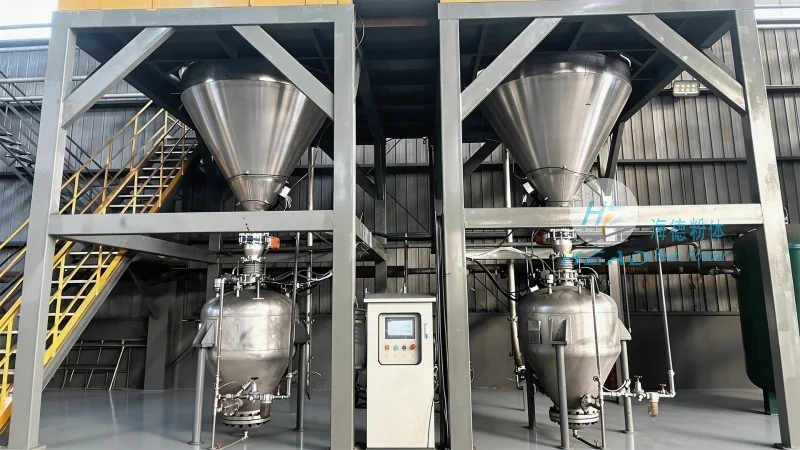
Vacuum pneumatic conveying systems are often preferred for shorter conveying distances or when the material needs to be collected from multiple points. These systems operate by creating a vacuum in the pipeline, which draws the iron chips into the system. The vacuum is generated by a vacuum pump or fan, and the material is then transported to the collection point. Vacuum systems are suitable for handling fine or dusty iron chips, as they can effectively capture and transport particles that might be lost in a pressure system. However, they may have limitations in conveying larger or heavier particles over long distances. The design of vacuum systems typically includes features such as cyclone separators or filters to remove dust and debris from the conveyed material, ensuring clean operation and preventing system contamination.
Application Analysis of Iron Chip Pneumatic Conveying Systems
The application of iron chip pneumatic conveying systems varies across different industries, with each application tailored to the specific requirements of the process. In metalworking facilities, these systems are widely used to transport iron chips from machining centers to recycling or storage areas. This improves operational efficiency by reducing the time and labor required for manual material handling. The automated nature of these systems minimizes the risk of accidents and injuries, contributing to a safer working environment. In recycling plants, iron chip pneumatic conveying systems play a critical role in the separation and transport of ferrous materials, contributing to the overall recycling process and reducing waste disposal costs. Additionally, in foundries and casting operations, these systems are used to convey iron chips for reprocessing or disposal, ensuring a clean and organized workspace that meets regulatory standards.

Advantages and Considerations in Iron Chip Pneumatic Conveying
Implementing an iron chip pneumatic conveying system offers several advantages, including increased productivity, reduced labor costs, and improved safety. The system's ability to handle large volumes of material efficiently enhances overall production capacity, allowing industrial facilities to meet higher demand without additional manual labor. Additionally, the automated operation reduces the risk of material damage, which is particularly important for iron chips that may be used in subsequent manufacturing processes. However, there are also considerations to keep in mind, such as the initial investment cost, maintenance requirements, and the need for proper system design to prevent material clogging or pipeline damage. Proper maintenance, including regular cleaning and inspection of components, is essential to ensure the long-term reliability and performance of the system. The cost of air compressors or vacuum pumps, along with energy consumption, should also be factored into the overall operational expenses of the system.
Conclusion
In conclusion, iron chip pneumatic conveying systems are a vital component in modern industrial operations, providing efficient and safe material handling solutions. The classification and application of these systems depend on various factors, including the material characteristics, conveying distance, and operational requirements. By understanding the different types of systems and their applications, industrial facilities can select the most suitable solution to optimize their material handling processes and enhance overall productivity. As technology advances, further improvements in iron chip pneumatic conveying systems are expected, leading to even more efficient and sustainable material transport solutions. Shandong HeadPowder Engineering Co., Ltd. continues to innovate in this field, offering customized solutions that meet the evolving needs of industrial clients worldwide.