

[MULTI]Main Structures of Capsule Pneumatic Conveying Systems
HeadPowder, a leading manufacturer in the field, specializes in the design and production of capsule pneumatic conveying systems. Based in Shandong, China, the company has established itself as a trusted provider of efficient and reliable material handling solutions. This article explores the primary structures that constitute such systems, offering insights into their functionality and applications.
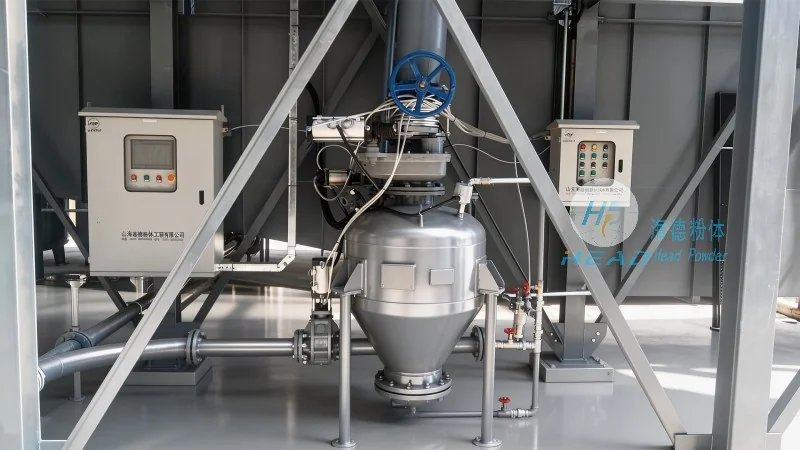
Vertical Conveying Structures
Vertical capsule pneumatic conveying structures are designed for transporting materials vertically, often from lower to higher elevations. These systems typically feature a vertical pipeline with multiple capsule units that move up and down to transfer bulk materials. The vertical design is ideal for applications where space is limited and vertical movement is required, such as in industrial facilities with restricted floor space. The vertical structure ensures efficient material flow while maintaining a compact footprint, making it suitable for various industries including pharmaceuticals, food processing, and chemical manufacturing.
Horizontal Conveying Structures
Horizontal capsule pneumatic conveying structures are used for horizontal material transport over longer distances. These systems consist of horizontal pipelines with capsules that travel horizontally to move materials from one point to another. Horizontal designs are commonly employed in applications where the material needs to be transported across a facility or between different processing units. The horizontal structure allows for smooth and continuous material flow, reducing the risk of material degradation or segregation. This type of system is particularly useful in industries like agriculture, where bulk materials like grains or seeds are transferred between storage and processing areas.
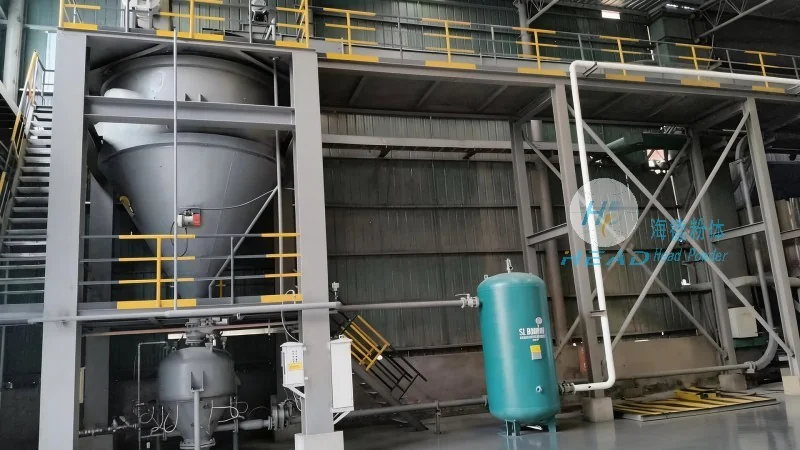
Mixed Vertical and Horizontal Conveying Structures
Some capsule pneumatic conveying systems combine both vertical and horizontal elements to accommodate complex material handling requirements. These mixed structures allow for the transportation of materials over both vertical and horizontal distances within a single system. The design flexibility of mixed structures makes them suitable for applications where the material path involves multiple elevations and horizontal movements, such as in large-scale industrial plants. By integrating vertical and horizontal components, these systems provide a comprehensive solution for efficient material transfer, ensuring that materials are moved safely and efficiently from source to destination.
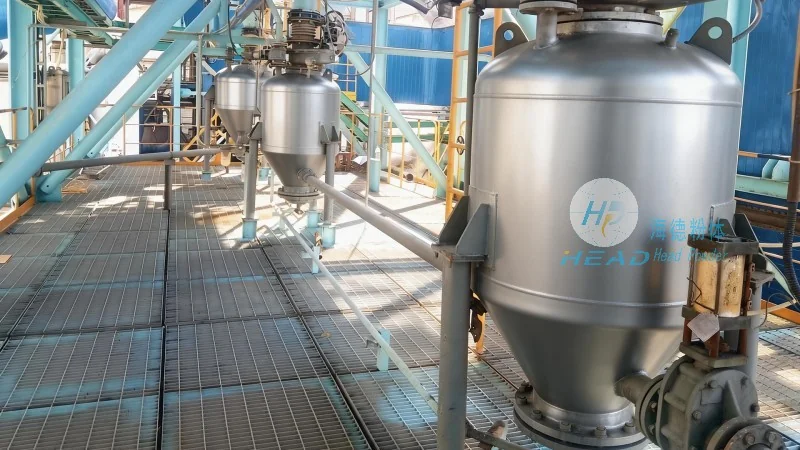
Key Features and Advantages
All capsule pneumatic conveying structures, regardless of their orientation, share common features that enhance their performance and reliability. These include robust construction to withstand the pressures and stresses of material transport, precise control mechanisms to regulate capsule movement, and advanced sealing systems to prevent material leakage. The advantages of capsule systems over traditional pneumatic conveying methods include reduced material degradation, lower maintenance costs, and improved safety due to the enclosed nature of the system. HeadPowder's expertise in designing these structures ensures that clients receive tailored solutions that meet their specific operational needs.
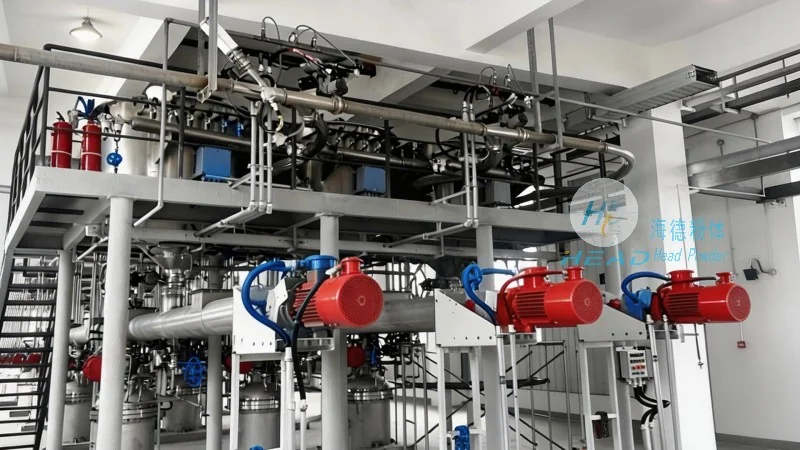
Applications in Various Industries
The versatility of capsule pneumatic conveying structures makes them applicable across a wide range of industries. In the pharmaceutical industry, these systems are used to transport sensitive powders and granules with minimal contamination, ensuring product quality and compliance with regulatory standards. In the food processing sector, capsule systems are employed to handle ingredients like flour, sugar, and spices, maintaining hygiene and preventing cross-contamination. The chemical industry also benefits from capsule conveying structures, which are capable of handling abrasive and corrosive materials without damage to the equipment. Additionally, in the agricultural sector, these systems are used to transport bulk commodities such as grains, seeds, and fertilizers, facilitating efficient storage and processing operations.
Conclusion
Capsule pneumatic conveying structures represent a sophisticated and efficient solution for material handling in various industrial applications. With their ability to transport materials vertically, horizontally, or in mixed configurations, these systems offer flexibility and reliability. HeadPowder, based in Shandong, China, continues to lead in the development and manufacturing of such structures, providing clients with high-quality, customized solutions that enhance operational efficiency and product integrity. The company's commitment to innovation and customer satisfaction ensures that businesses can rely on capsule pneumatic conveying systems to meet their material transport needs effectively.