

What Are the Main Structures of Light-Weight Micropowder Pneumatic Conveying Systems?
Light-weight micropowder pneumatic conveying systems are widely used in various industrial applications due to their efficiency and flexibility in transporting fine powders. The main structures of these systems typically include several core components that work together to ensure smooth and reliable operation. Understanding these structures is crucial for optimizing performance and maintaining system integrity.
Core Components of Light-Weight Micropowder Pneumatic Conveying Systems
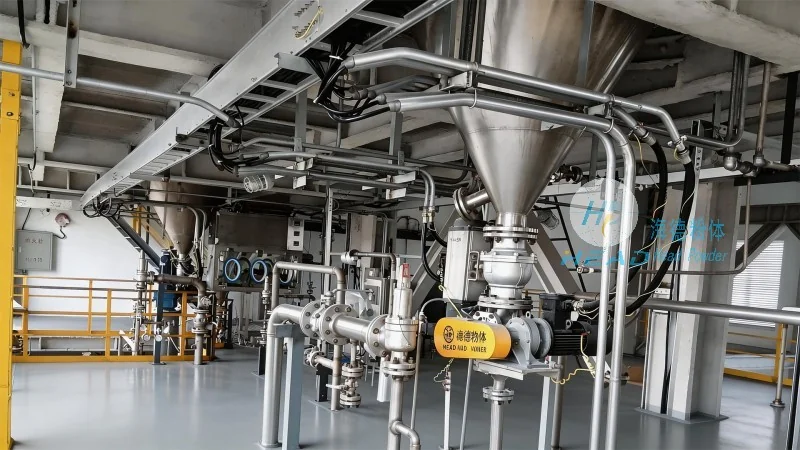
The primary structure of a light-weight micropowder pneumatic conveying system consists of a feeding device, a conveying pipeline, a pressure vessel or receiver, and a control system. The feeding device is responsible for introducing the micropowder material into the system, ensuring a consistent and controlled flow. Common feeding methods include rotary valves, star feeders, or pneumatic feeders, which are designed to handle fine powders without clogging or loss. The conveying pipeline, often made of stainless steel or other corrosion-resistant materials, is engineered to withstand the pressure and friction of the powder flow. The pipeline may include bends, expansions, or reductions to adjust the flow velocity and pressure, minimizing particle degradation and system wear.
The Role of the Pressure Vessel or Receiver
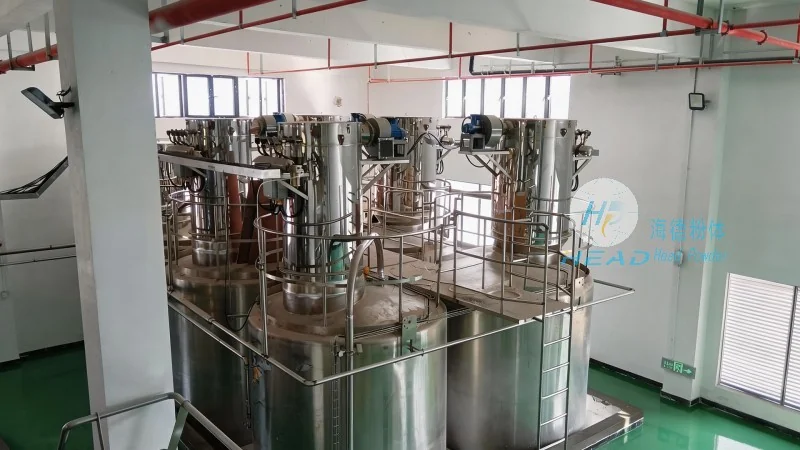
A critical component in many light-weight micropowder pneumatic conveying systems is the pressure vessel or receiver. This vessel is used to store the conveyed material and maintain the system's pressure. It is typically equipped with a pressure relief valve to prevent over-pressurization and a discharge valve to allow the material to be released when needed. The receiver may also include a dust collection system or a filter to capture any fine particles that escape during the conveying process, ensuring environmental compliance and product purity. The design of the pressure vessel is optimized for lightweight construction while maintaining structural integrity, often using materials like carbon steel or aluminum alloys with appropriate coatings to resist corrosion from the micropowder.
Control and Monitoring Systems
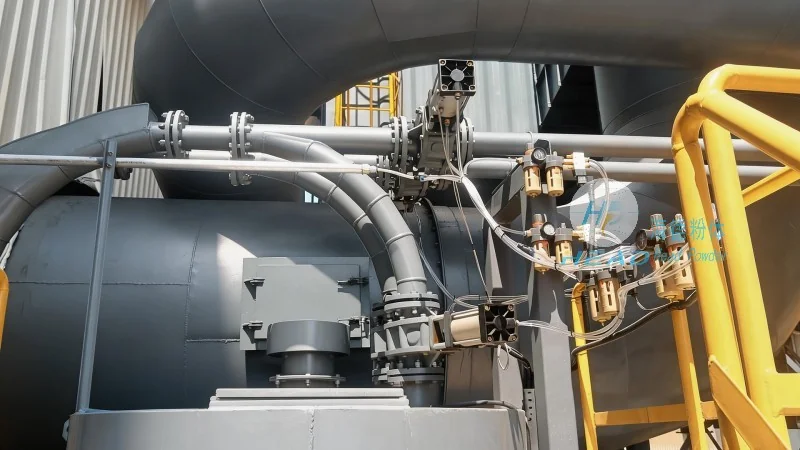
Modern light-weight micropowder pneumatic conveying systems incorporate advanced control and monitoring systems to enhance operational efficiency and safety. These systems typically include sensors for pressure, flow rate, and temperature, which provide real-time data to the control unit. The control unit adjusts the system parameters, such as air pressure and flow rate, to maintain optimal conveying conditions. Additionally, the system may include alarms and safety interlocks to prevent accidents or system failures. The control panel is usually user-friendly, allowing operators to monitor the system status and make adjustments as needed. This integration of control technology ensures that the system operates efficiently, reduces downtime, and minimizes maintenance requirements.
Company Information: Shandong HeadPowder Engineering Co., Ltd.
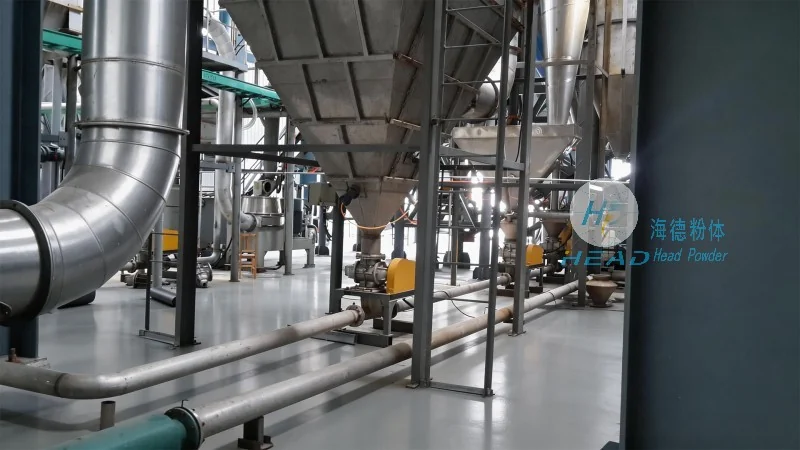
For professional solutions in light-weight micropowder pneumatic conveying systems, Shandong HeadPowder Engineering Co., Ltd. is a leading provider. The company specializes in designing, manufacturing, and installing custom pneumatic conveying systems tailored to the specific needs of various industries. With a focus on quality and innovation, HeadPowder offers a range of products and services that meet the highest standards of performance and reliability. The company's headquarters is located in Shandong, China, where it leverages advanced technology and experienced engineering teams to deliver solutions that enhance operational efficiency and reduce costs for clients worldwide.