

Main Structures for High-Temperature Fly Ash Pneumatic Conveying
High-temperature fly ash pneumatic conveying is a critical process in modern industrial applications, particularly in power plants and cement production facilities. The efficient and reliable transport of high-temperature fly ash from the boiler or furnace to storage or processing units requires specialized structural components designed to withstand extreme temperatures and abrasive conditions. This article explores the key structures that form the backbone of high-temperature fly ash pneumatic conveying systems, highlighting their functions and importance in ensuring operational efficiency and safety.
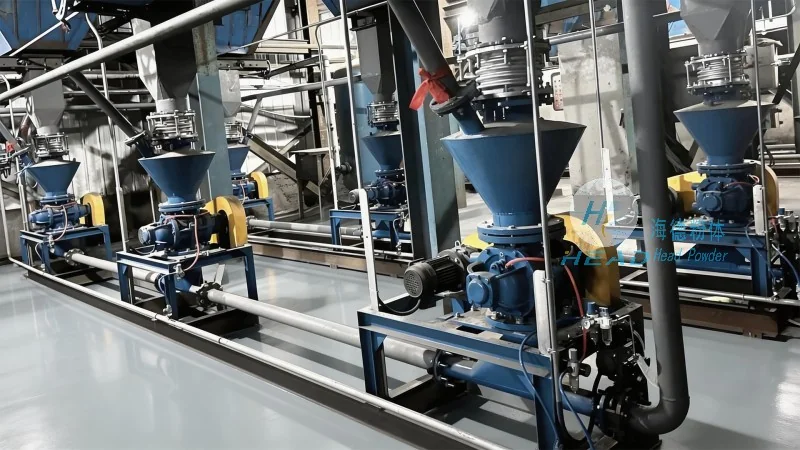
Core Components of High-Temperature Fly Ash Pneumatic Conveying Systems
The primary structures involved in high-temperature fly ash pneumatic conveying typically include several essential components. These components work in tandem to facilitate the movement of fly ash particles through a pressurized air system. The main structures are the ash hopper, the conveying pipeline, the air compressor or blower, the control valves, and the ash collection or discharge equipment. Each of these components plays a vital role in the overall performance of the system.
1. High-Temperature Ash Hopper
The high-temperature ash hopper is the initial storage and feeding unit in the conveying system. It is designed to hold the hot fly ash generated from combustion processes, typically at temperatures ranging from 200°C to 800°C. The hopper is constructed from heat-resistant materials such as stainless steel or special alloys to withstand the high temperatures and prevent heat loss. The design of the hopper includes a conical or rectangular shape with a discharge valve at the bottom, which controls the flow of ash into the conveying pipeline. The hopper also features insulation to minimize heat transfer to the surrounding environment and to protect personnel from the extreme temperatures. The material selection and design of the ash hopper are critical as it directly impacts the system's ability to handle the high-temperature, abrasive nature of fly ash.
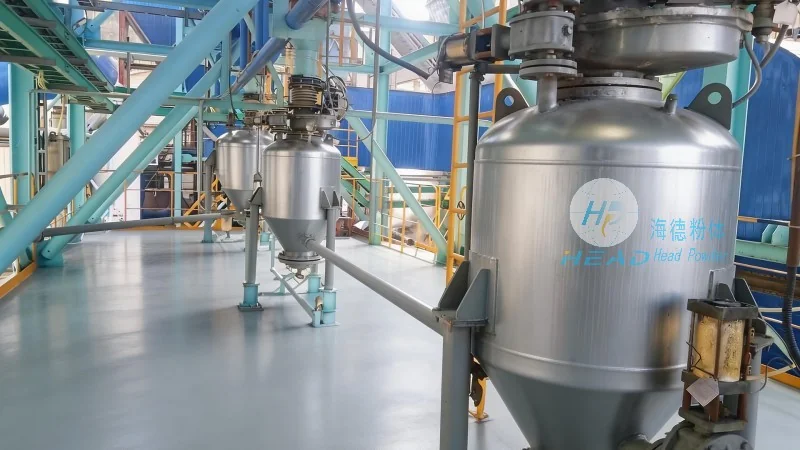
2. Conveying Pipeline and Fittings
The conveying pipeline is the main channel through which the high-temperature fly ash is transported. It is typically made of high-temperature resistant materials like stainless steel, carbon steel with heat insulation, or specialized plastic composites. The pipeline is designed to withstand both the high temperatures of the ash and the pressure generated by the air compressor. The pipeline system includes various fittings such as elbows, tees, and reducers, which are also constructed from heat-resistant materials to ensure a smooth flow and prevent blockages or leaks. The pipeline may also be equipped with insulation or heat tracing to maintain the temperature of the ash and prevent condensation, which could lead to corrosion or clogging. The diameter and length of the pipeline are carefully selected based on the ash flow rate, particle size, and the required conveying distance, ensuring optimal performance and minimizing energy consumption.
3. Air Compressor or Blower Unit
The air compressor or blower is the power source that generates the necessary pressure to move the high-temperature fly ash through the pipeline. It is typically a high-pressure, high-temperature-resistant unit designed to operate at temperatures up to 200°C or higher. The compressor is responsible for supplying the air or gas that creates the flow of ash particles. The choice of compressor depends on the system's requirements, including the ash flow rate, conveying distance, and the required pressure. Common types of compressors used in high-temperature fly ash conveying include positive displacement blowers and centrifugal compressors, both of which are engineered to handle the high temperatures and abrasive nature of the ash. The compressor unit is equipped with cooling systems and protective features to ensure safe and reliable operation under extreme conditions.
4. Control Valves and Regulators
Control valves and regulators are essential components that manage the flow of air and ash in the conveying system. These valves are used to regulate the pressure, flow rate, and direction of the conveying medium. The control system typically includes pressure relief valves, flow control valves, and check valves to prevent backflow and ensure smooth operation. The valves are designed to withstand high temperatures and the abrasive nature of the fly ash, with materials such as stainless steel or high-temperature alloys. The control system may also include sensors and automation equipment to monitor and adjust the parameters in real-time, optimizing the performance of the conveying process. Proper control of the system is crucial for maintaining consistent ash flow, preventing overpressure, and ensuring the safety of the operation.
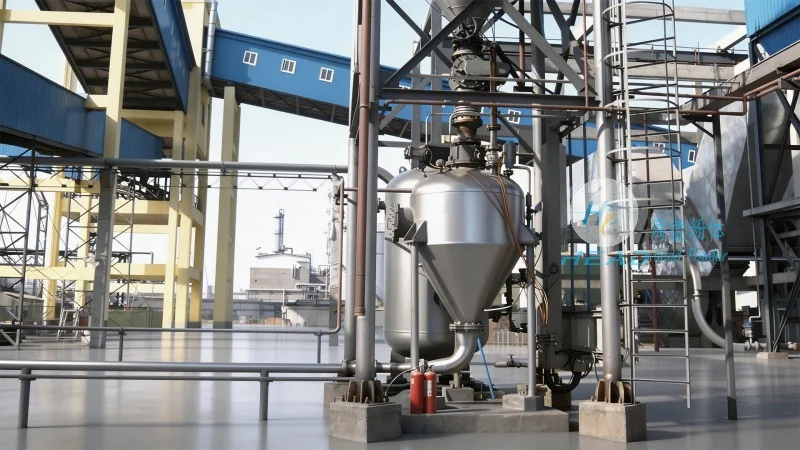
5. Ash Collection and Discharge Equipment
The final component in the high-temperature fly ash pneumatic conveying system is the ash collection or discharge equipment. This unit is responsible for receiving the ash from the pipeline and transferring it to the next stage of processing or storage. The equipment includes a collection hopper or silo, which is designed to handle the high-temperature ash and prevent heat loss. The discharge system may include a rotary valve or a conveyor system to move the ash from the collection unit to the storage or processing facility. The equipment is constructed from heat-resistant materials and is equipped with insulation to maintain the temperature of the ash. The design of the collection and discharge equipment is critical to ensure efficient and safe handling of the ash, minimizing the risk of spills or environmental contamination.
Shandong HeadPowder Engineering Co., Ltd. - Expert in High-Temperature Fly Ash Conveying Solutions
Shandong HeadPowder Engineering Co., Ltd., commonly known as HeadPowder, is a leading provider of high-temperature fly ash pneumatic conveying systems and related engineering solutions. With years of experience in the industry, HeadPowder specializes in designing, manufacturing, and installing customized conveying structures tailored to the specific needs of power plants, cement factories, and other industrial facilities. The company's expertise lies in the development of robust and efficient systems that can handle the challenging conditions of high-temperature fly ash, ensuring reliable operation and minimal maintenance. HeadPowder's team of engineers and technicians work closely with clients to understand their operational requirements and provide tailored solutions that meet their performance, safety, and cost objectives. The company's commitment to quality and innovation has made it a trusted partner in the field of high-temperature fly ash conveying, delivering systems that enhance operational efficiency and reduce downtime.