

What is Dry Pebble Powder Conveying? And What Are Its Design Principles?
Dry pebble powder conveying is a specialized method for transporting dry particulate materials without the use of water or other liquids. This technology is widely utilized across various industries, including mining, chemical processing, and food production, where efficient material handling is critical to operational efficiency and cost management. Understanding the fundamentals of this process and its underlying design principles is essential for industries seeking to optimize their material transport systems.
Introduction to Dry Pebble Powder Conveying
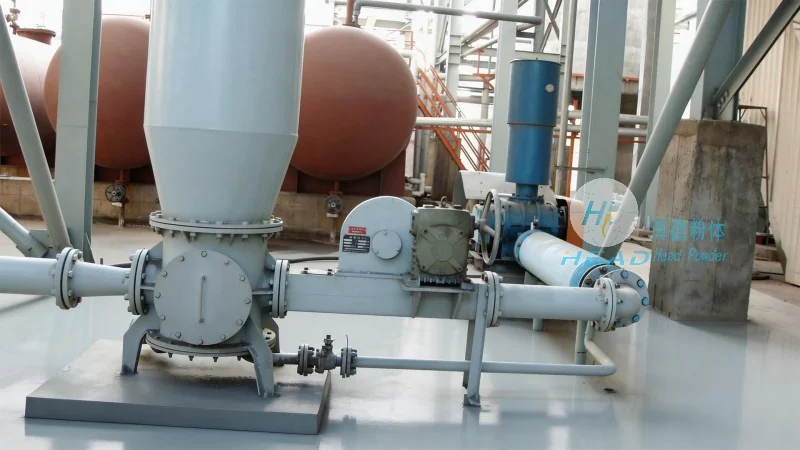
Dry pebble powder conveying, also known as pneumatic conveying, operates by using air or gas to move dry powders through a network of pipes and ducts. Unlike traditional gravity or mechanical conveying methods, this technique leverages fluid dynamics to transport materials from a source to a destination. The system typically comprises a hopper for material storage, a conveyor line for transport, and a receiver for deposition. The primary objective is to achieve controlled, consistent material flow while minimizing dust generation and ensuring safety in industrial environments.
Key Components of the Dry Pebble Powder Conveying System
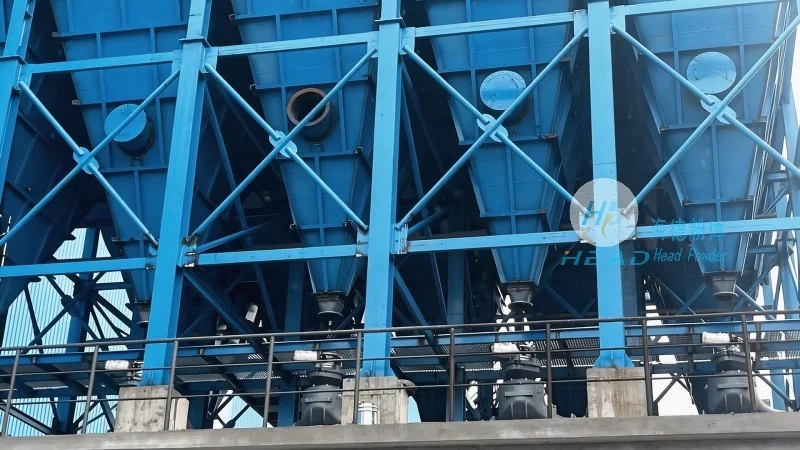
The effectiveness of a dry pebble powder conveying system hinges on several critical components. The hopper serves as the initial storage and feeding unit, where dry powders are loaded and then discharged into the conveyor line. The conveyor line itself is the core of the system, constructed from durable materials like metal or plastic to withstand the pressure and friction of the material being transported. The receiver is the final point of deposition, where the powder is collected. Additionally, the system includes a blower or compressor that generates the necessary air pressure to move the powder through the pipes. The design of these components must be optimized for the specific properties of the powder, such as particle size, density, and moisture content, to ensure smooth operation.
Design Principles Behind Dry Pebble Powder Conveying
The design principles of dry pebble powder conveying are centered on balancing air velocity and pressure drop to achieve efficient material transport. One fundamental principle is maintaining an appropriate air velocity to lift and suspend powder particles within the air stream. The air velocity must be high enough to prevent material settling but not excessively high to avoid unnecessary energy consumption or excessive pressure drop. The pressure drop across the system is another critical factor, as it determines the power required by the blower and the overall system efficiency. Engineers calculate the pressure drop based on the length of the conveyor line, pipe diameter, and material properties to ensure optimal performance.
Advantages of Dry Pebble Powder Conveying
Compared to traditional conveying methods, dry pebble powder conveying offers several distinct advantages. One significant benefit is the ability to transport materials over long distances without intermediate storage or handling, reducing the risk of material degradation or contamination. This is particularly valuable for sensitive powders, such as those used in pharmaceuticals or food products. The system is also relatively compact, allowing for installation in confined spaces, which is beneficial for industrial facilities with limited floor area. Furthermore, dry pebble powder conveying minimizes dust generation, enhancing workplace safety and reducing the need for extensive dust control measures. The technology is versatile, capable of handling a wide range of materials from fine powders to larger granules, making it suitable for diverse applications.
Applications in Different Industries
Dry pebble powder conveying is widely applied across multiple industries due to its adaptability and efficiency. In the mining sector, it is used to transport ore and minerals from processing plants to storage facilities, especially for fine powders prone to agglomeration. The chemical industry employs this method to convey raw materials and finished products, such as powders used in fertilizers or pharmaceuticals. The food industry benefits from its hygienic transport capabilities, safely moving powders like flour or sugar without contamination risks. Other applications include handling construction materials like cement and sand, as well as transporting industrial powders in manufacturing plants.

Challenges and Solutions in Dry Pebble Powder Conveying
Despite its benefits, dry pebble powder conveying faces challenges that require careful management. A primary challenge is the risk of blockages in the conveyor line, caused by powder agglomeration or foreign objects. To mitigate this, systems often include in-line mixers or vibrators that break up clumps and maintain smooth flow. Another challenge is the pressure drop, which can increase over time or with changing powder properties. Regular maintenance and cleaning of pipes and components are essential to preserve system efficiency. Additionally, the abrasive nature of some powders can cause wear on pipes and components, necessitating the use of durable materials and regular inspections.
Conclusion and Future Developments
Dry pebble powder conveying is a reliable and efficient solution for transporting dry powders in various industrial settings. The design principles and components are engineered to ensure optimal performance, safety, and cost-effectiveness. Ongoing technological advancements, such as the use of advanced materials for pipes and components, and integration of automation systems, are improving system efficiency and reducing operational costs. As innovation continues, dry pebble powder conveying is likely to evolve into even more efficient and versatile systems, further expanding its applications in the future.