

What is Lithium Oxalate Powder Handling? What Are Its Design Principles?
Lithium oxalate is a critical material in modern battery technology, and efficient powder handling is essential for its processing. This article explores the fundamentals of lithium oxalate powder handling systems and the underlying design principles that ensure optimal performance, safety, and efficiency in industrial applications.
Understanding Lithium Oxalate Powder Handling
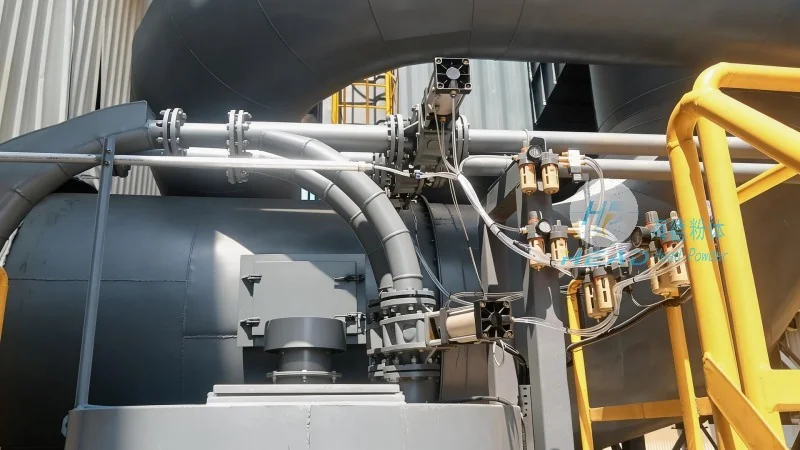
Lithium oxalate powder handling involves the movement, storage, and processing of lithium oxalate powder in industrial settings. This process is crucial for battery manufacturers who rely on consistent and reliable supply chains. The handling of such powders requires specialized equipment and systems to manage the material's properties, such as its fine particle size, hygroscopic nature, and potential reactivity. Proper handling minimizes dust generation, prevents contamination, and ensures the material remains in a stable state throughout the production process.
Key Design Principles for Lithium Oxalate Powder Handling Systems
The design of lithium oxalate powder handling systems is guided by several key principles to ensure safety, efficiency, and product integrity. These principles include:
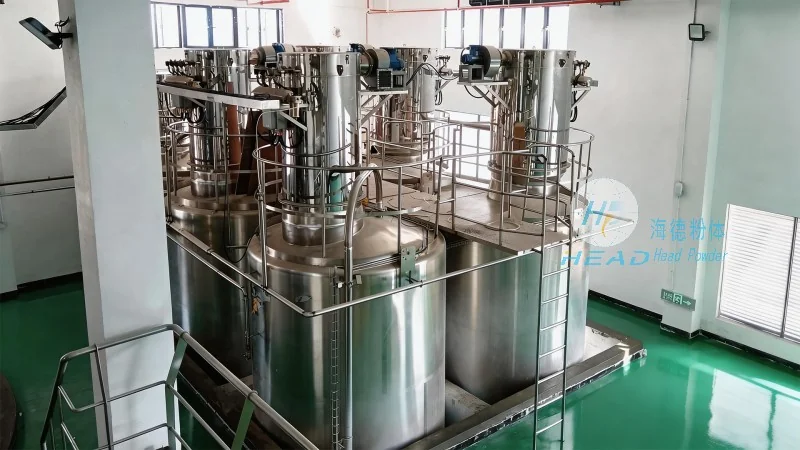
- Containment and Dust Control: Lithium oxalate is a fine powder that can generate significant dust during handling. Effective containment systems, such as sealed hoppers, enclosed conveyor systems, and dust collection units, are essential to prevent airborne contamination and protect personnel.
- Material Flow Management: Proper design of feeders, conveyors, and storage silos ensures smooth and consistent material flow. This includes considerations like the powder's flowability, bulk density, and potential for bridging or caking, which can be mitigated through appropriate hopper geometry and vibration systems.
- Equipment Compatibility: The handling equipment must be compatible with lithium oxalate's chemical and physical properties. Materials like stainless steel or specialized coatings are often used to prevent corrosion and ensure the material does not react with the equipment surfaces.
- Safety and Compliance: Designing systems that adhere to industrial safety standards and regulations is paramount. This includes explosion-proof designs for areas where dust accumulation is a risk, as well as proper ventilation and emergency shutdown mechanisms.
Components of a Typical Lithium Oxalate Powder Handling System
A typical lithium oxalate powder handling system consists of several interconnected components, each playing a vital role in the overall process. These components include:
- Storage Silos: Large storage silos are used to store bulk quantities of lithium oxalate powder. These silos are designed with a conical bottom to facilitate material discharge and may include agitators or vibrators to prevent caking.
- Feeders: Feeders, such as rotary or vibratory feeders, control the flow rate of the powder from the silo to the processing equipment. Accurate flow control is essential for maintaining consistent product quality and preventing overloading of downstream equipment.
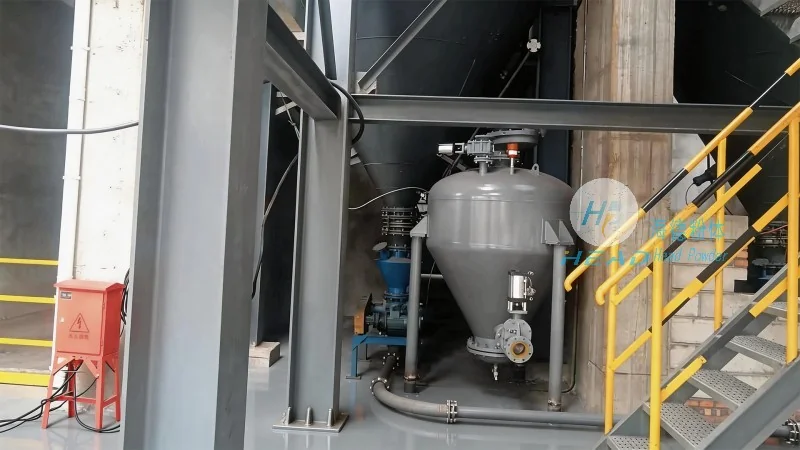
- Conveyors: Conveyors, including belt or pneumatic systems, transport the powder from one stage of the process to another. Pneumatic conveying systems are often preferred for fine powders like lithium oxalate due to their ability to handle dust and maintain a closed system.
- Dust Collection: Dust collection systems, such as baghouses or cartridge filters, capture any airborne particles during the handling process. These systems are critical for maintaining a clean environment and complying with environmental regulations.
The Role of Material Properties in Design
The physical and chemical properties of lithium oxalate significantly influence the design of handling systems. For example, the powder's hygroscopic nature means that moisture control is essential to prevent clumping and maintain product stability. Additionally, the material's potential to react with certain metals requires the use of non-reactive materials in the equipment. Engineers must consider these properties when selecting materials, designing equipment, and implementing control strategies.
Applications in Battery Manufacturing
Lithium oxalate powder handling systems are integral to the production of lithium-ion batteries. The efficient handling of lithium oxalate ensures that the material is processed into high-quality battery components, such as cathodes or anodes. Consistent handling processes lead to uniform product quality, which is critical for the performance and safety of the final battery products.
Conclusion
Lithium oxalate powder handling is a complex process that requires careful consideration of design principles, material properties, and safety standards. By implementing well-designed handling systems, manufacturers can ensure the efficient and safe processing of lithium oxalate, contributing to the production of reliable and high-performance batteries. The expertise of companies like Shandong HeadPowder Engineering Co., Ltd. plays a crucial role in developing and implementing these systems for the battery industry.