

What is Rice Husk Ash Powder Conveying? What are the Design Principles?
Rice husk ash, a byproduct of rice processing, is increasingly recognized for its applications in construction and industrial processes. Efficient powder conveying systems are essential for handling this material, ensuring safe and reliable transport from production sites to processing facilities. This article explores the concept of rice husk ash powder conveying and delves into the fundamental design principles that underpin such systems.
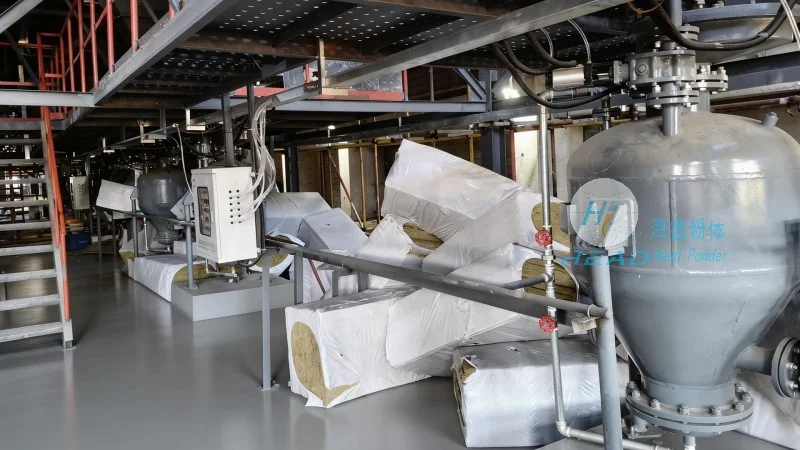
Understanding Rice Husk Ash Powder Conveying
Rice husk ash powder conveying refers to the process of transporting fine particles of rice husk ash through a controlled system. This material, rich in silica and other beneficial compounds, is often used as a supplementary cementitious material in concrete production, enhancing durability and reducing environmental impact. The conveying process must address challenges such as dust generation, material segregation, and the need for gentle handling to preserve the material's properties.
Key Design Principles for Efficient Conveying
The design of a rice husk ash powder conveying system involves several critical principles aimed at optimizing performance and safety. First, the system must ensure minimal material degradation during transport. This is achieved through the use of low-velocity conveying methods, such as pneumatic or mechanical systems, which reduce the risk of particle breakage and maintain the material's quality. Second, dust control is paramount. Effective dust suppression measures, including sealed ducts, filtration systems, and proper ventilation, are integrated into the design to protect both the material and the environment.
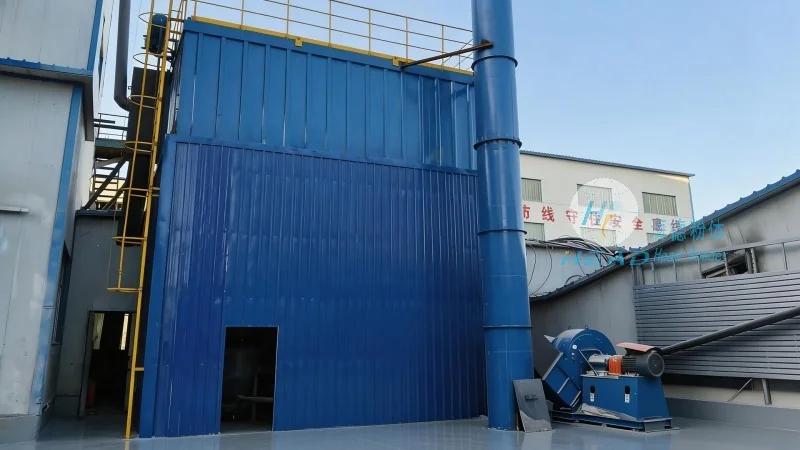
Third, the system must accommodate the varying particle sizes and flow characteristics of rice husk ash. This requires flexible components, such as adjustable feeders and variable-speed motors, that can adapt to changes in material consistency. Additionally, the design considers the need for easy maintenance and cleaning, as the material can be abrasive and prone to clogging in certain equipment. By addressing these factors, the conveying system ensures consistent and reliable material transport.
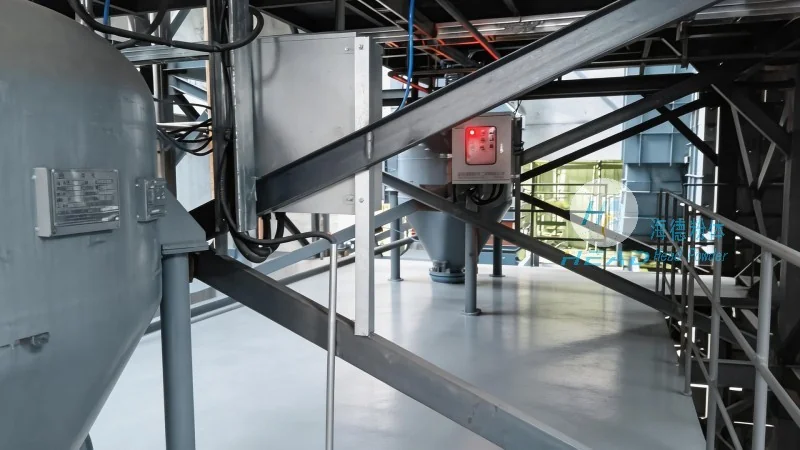
Role of HeadPowder in Rice Husk Ash Conveying Solutions
Shandong HeadPowder Engineering Co., Ltd., a leading provider of powder handling solutions, specializes in developing customized conveying systems tailored to the unique needs of rice husk ash applications. With years of experience in the industry, HeadPowder understands the challenges associated with handling this specific material and has developed innovative solutions that enhance efficiency and safety. The company's expertise lies in integrating advanced technologies, such as high-efficiency dust collectors and energy-efficient conveying mechanisms, into their systems to meet the demands of modern industrial processes.
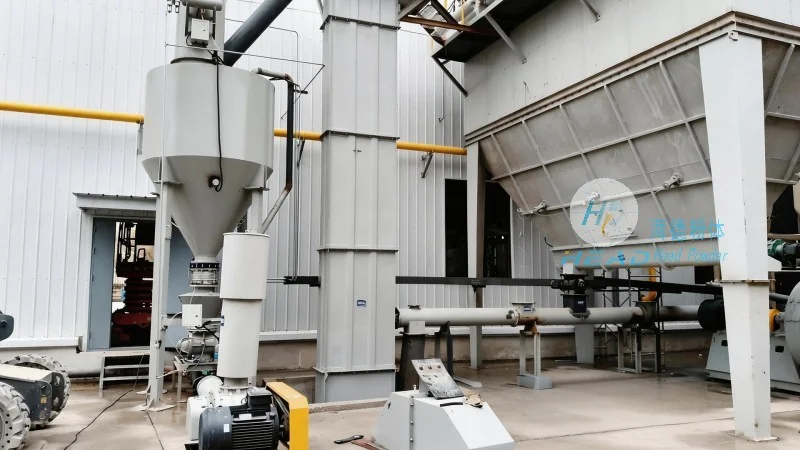
HeadPowder's approach to rice husk ash powder conveying emphasizes a holistic design philosophy. They work closely with clients to assess their specific requirements, including production capacity, material characteristics, and operational constraints. This collaborative process ensures that the final system is optimized for performance, reliability, and cost-effectiveness. The company's commitment to quality and innovation has made it a trusted partner for businesses seeking to integrate rice husk ash into their production workflows.
Conclusion: The Importance of Proper Design in Rice Husk Ash Conveying
Efficient rice husk ash powder conveying is not merely about moving material from one point to another; it is about ensuring that the material retains its quality, is handled safely, and contributes effectively to industrial processes. The design principles outlined above, combined with the expertise of companies like Shandong HeadPowder Engineering Co., Ltd., are crucial for achieving these goals. As the demand for sustainable and eco-friendly materials grows, the importance of well-designed powder conveying systems will only increase, making them a vital component of modern industrial operations.