

What is Fermented Grain Powder Conveying? And What Are Its Design Principles?
For those in the food processing industry, particularly those working with fermented grain products, understanding the mechanics of fermented grain powder conveying is crucial. This process involves the efficient movement of fermented grain powders from one location to another within a production facility. The design principles behind these systems are tailored to ensure optimal performance, safety, and efficiency in handling these specific materials.
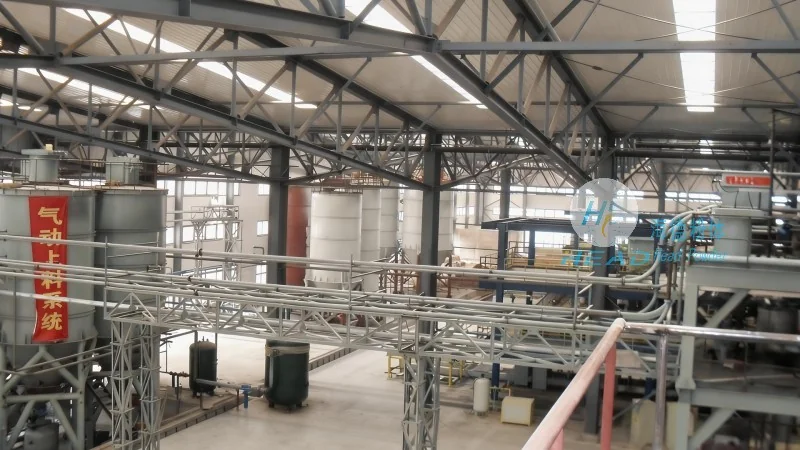
What is Fermented Grain Powder Conveying?
Fermented grain powder conveying refers to the technology and systems used to transport fermented grain powders, such as those used in traditional brewing or fermentation processes. These powders are often produced from grains like rice, wheat, or sorghum that have undergone fermentation, resulting in a fine, dry powder. The conveying process is essential for moving these powders to various stages of production, including storage, mixing, or packaging. The primary goal is to maintain the quality and integrity of the fermented grain powder while ensuring a smooth, continuous flow.
The Core Design Principles of Fermented Grain Powder Conveying Systems
The design of fermented grain powder conveying systems is based on several key principles that address the unique characteristics of fermented grain powders. These principles include material handling efficiency, dust control, and system reliability. Each component of the system is carefully selected and integrated to meet these objectives.
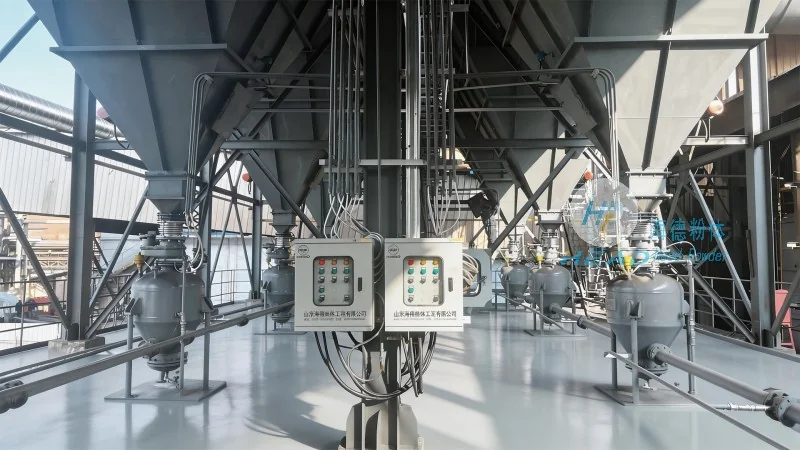
Key Components and Their Roles in the Conveying Process
At the heart of fermented grain powder conveying systems are several critical components that work in tandem to ensure effective material transport. These components typically include feeders, conveyors, and control systems. Feeders are responsible for accurately metering the fermented grain powder into the conveying system, ensuring a consistent flow rate. Conveyors, such as pneumatic or mechanical systems, then transport the powder through the system. Control systems monitor and regulate the entire process, ensuring that the flow rate, pressure, and other parameters remain within optimal ranges.
Material Handling Efficiency and Flow Control
Efficiency in material handling is a primary design consideration for fermented grain powder conveying systems. The systems are engineered to minimize downtime and maximize throughput. This is achieved through the use of high-quality materials and components that are resistant to corrosion and wear, which are common issues when handling powders. Additionally, the design incorporates features that prevent blockages and ensure smooth flow, such as proper hopper design and the use of air seals to maintain pressure and prevent dust leakage.
Dust Control and Environmental Considerations
Due to the fine nature of fermented grain powders, dust control is a critical aspect of the design. Fermented grain powder conveying systems incorporate various dust control measures, including sealed hoppers, air filtration systems, and proper ventilation. These measures help to maintain a clean working environment and prevent the spread of dust, which can be a health and safety hazard. The design also considers the environmental impact, ensuring that the system operates in compliance with relevant regulations and standards.
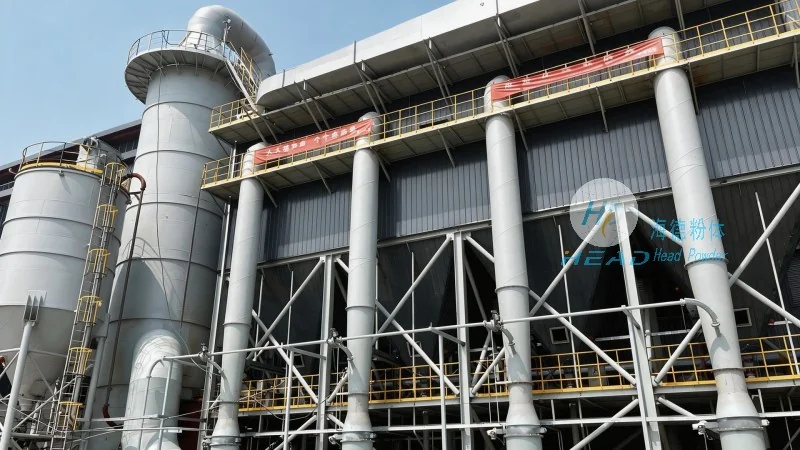
System Reliability and Maintenance
Reliability is another key design principle for fermented grain powder conveying systems. The systems are built to operate continuously over long periods without significant downtime. This is achieved through the use of robust components and regular maintenance schedules. The design incorporates features that allow for easy access to components for cleaning and repair, reducing the time required for maintenance. Additionally, the system is equipped with monitoring and alarm systems that alert operators to any issues, allowing for quick intervention and minimizing the risk of system failure.
Conclusion
In summary, fermented grain powder conveying systems are sophisticated and carefully designed to handle the unique challenges of transporting fermented grain powders. The design principles focus on efficiency, safety, and reliability, ensuring that these systems can meet the demands of modern food processing facilities. By understanding these principles and the components involved, manufacturers can select and implement the most effective conveying system for their specific needs.